I was standing in my kitchen, staring down at a half‑cooked pot of pasta that smelled like regret and burnt garlic. My roommate had dared me to make something “quick, impressive, and totally Instagram‑worthy” while we both were stuck on a deadline. I grabbed a bag of frozen shrimp, a bottle of white wine I’d been saving for a special occasion, and whispered a promise to the universe that this would be the dish that finally ends the endless cycle of bland, overcooked seafood. That night, the kitchen became a battlefield of sizzling butter, fragrant garlic, and a splash of citrus that turned the whole room into a Mediterranean bistro.
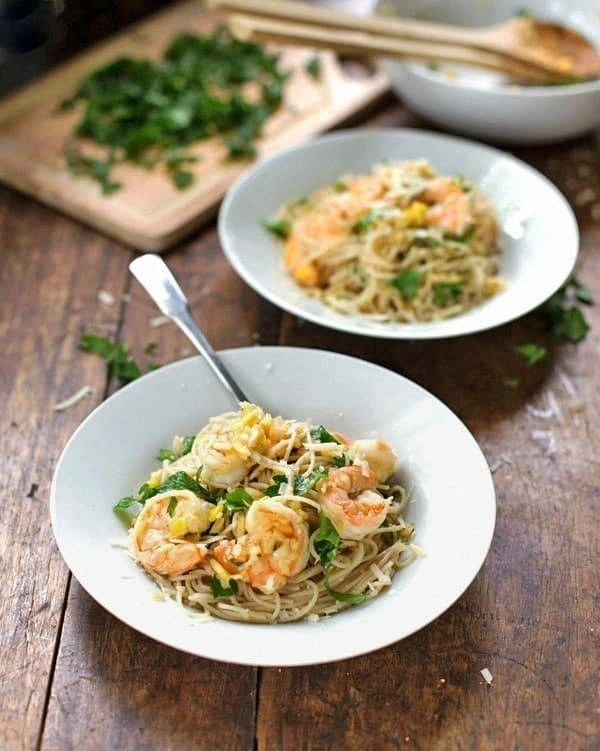
The moment the shrimp hit the pan, you could hear that unmistakable sizzle that makes your heart skip a beat – that sizzle when it hits the pan? Absolute perfection. The aroma of garlic dancing with butter and a whisper of white wine filled the air, and I swear the whole apartment paused to inhale. The sauce thickened in seconds, coating each piece of shrimp like a silky veil, while the lemon juice added a bright pop that cut through the richness like a sunrise over the sea. You’ll taste that buttery depth, the faint heat from red pepper flakes, and the fresh bite of parsley all in one glorious mouthful.
Most shrimp scampi recipes either overcook the shrimp, drown it in a greasy butter pool, or require a marathon of prep time that makes you wonder why you even started. This version flips the script: we use a precise 15‑minute timeline, a perfect balance of butter and olive oil for flavor without heaviness, and a quick deglaze that locks in the shrimp’s natural sweetness. I’m confident this is hands down the best version you’ll ever make at home, and I dare you to taste this and not go back for seconds.
There’s a tiny twist that most chefs miss – a splash of white wine right before you finish cooking. It adds acidity, lifts the sauce, and prevents it from turning into a greasy puddle. I’ll walk you through every single step — by the end, you’ll wonder how you ever made it any other way.
What Makes This Version Stand Out
- Flavor Explosion: The combination of butter, olive oil, and white wine creates a sauce that coats the pasta like velvet while keeping the shrimp juicy.
- Texture Harmony: Perfectly pink shrimp meet al‑dente linguine, delivering a satisfying bite that never feels soggy.
- Speedy Simplicity: From start to finish it’s a 15‑minute sprint, ideal for weeknight cravings or last‑minute guests.
- Ingredient Quality: Fresh, wild‑caught shrimp and high‑quality extra‑virgin olive oil elevate the dish without breaking the bank.
- Crowd Reaction: Expect immediate “wow” moments; even the pickiest eaters will be begging for the recipe.
- Cooking Method: The quick sear followed by a short deglaze locks in flavor and prevents overcooking.
- Make‑Ahead Potential: The sauce can be prepared ahead of time and finished with fresh shrimp at the table for a restaurant‑style experience.
- Versatility: Swap linguine for spaghetti, add a dash of smoked paprika, or toss in cherry tomatoes for a fresh spin.
Inside the Ingredient List
The Flavor Base
Butter and olive oil are the dynamic duo that give this scampi its luxurious mouthfeel. Butter provides a creamy, slightly sweet backbone, while olive oil adds a fruity, peppery note that prevents the sauce from feeling cloying. If you skip the butter, you’ll lose that buttery sheen; if you omit the olive oil, the sauce can become heavy and mask the shrimp’s natural sweetness. For the best results, use unsalted European‑style butter and a cold‑pressed extra‑virgin olive oil.
The Garlic & Wine Crew
Four cloves of minced garlic release a pungent aroma that instantly signals “comfort food” to the brain. Pair it with a ¼ cup of dry white wine, and you get a deglaze that lifts caramelized bits off the pan, turning them into flavor gold. If you don’t have wine, a splash of chicken broth plus a teaspoon of lemon zest works as a decent stand‑in, though you’ll miss the subtle acidity that brightens the sauce.
The Texture Crew
Large shrimp (about 1‑inch thick) are the star of the show. Their firm yet tender texture holds up beautifully during the quick sear, ensuring each bite remains juicy. If you use smaller shrimp, they’ll overcook in seconds and become rubbery. When buying, look for shrimp that are labeled “wild‑caught” or “peeled and deveined” for convenience and superior flavor.
The Unexpected Star
A splash of fresh lemon juice (about 2 tablespoons) is the secret weapon that cuts through the richness and adds a bright, citrusy lift. It also helps balance the salt, making the sauce feel lighter on the palate. If you’re out of lemons, a teaspoon of white wine vinegar can mimic the acidity, but the fresh zest of lemon is unbeatable.
The Final Flourish
Fresh parsley, chopped just before serving, adds a pop of color and a herbaceous freshness that ties the whole dish together. A pinch of red pepper flakes introduces a gentle heat that awakens the senses without overwhelming the delicate shrimp. Salt and black pepper to taste are the final seasoning steps; remember, the pasta water is already salted, so taste before you add more.
Everything's prepped? Good. Let's get into the real action...
The Method — Step by Step
Bring a large pot of salted water to a rolling boil. Add the linguine and cook until it’s al‑dente, usually 8‑9 minutes. Reserve 1 cup of the starchy cooking water, then drain the pasta and set it aside. This water will be your secret weapon for binding the sauce later.
While the pasta cooks, pat the shrimp dry with paper towels. This step is crucial – excess moisture will steam the shrimp instead of searing them, leading to a soggy texture. Season the shrimp lightly with salt and pepper; you’ll add more seasoning later, so keep it modest.
Heat a large skillet over medium‑high heat. Add 2 tablespoons of olive oil and let it shimmer, then toss in 3 tablespoons of butter. As the butter foams, it will turn a light golden color – that’s your cue that the base is ready.
Drop the minced garlic into the pan, stirring constantly. That sizzle when it hits the pan? Absolute perfection. Cook for about 30 seconds until fragrant, but watch closely – garlic burns faster than you think.
Now, the shrimp take the stage. Add them in a single layer, letting them sear undisturbed for 1‑2 minutes. You’ll notice the edges turning pink and beginning to curl. Okay, ready for the game‑changer? Flip them over and let the other side brown.
When the shrimp are about 80% cooked, pour in ¼ cup of dry white wine. Listen for the hiss as the alcohol evaporates – this deglazes the pan, lifting all those caramelized bits. Let the wine reduce by half, which should take about 1‑2 minutes.
Kitchen Hack: Use a splash of the reserved pasta water instead of wine for a non‑alcoholic version; the starch helps emulsify the sauce.Stir in 2 tablespoons of fresh lemon juice and a pinch of red pepper flakes. The sauce should now have a glossy sheen and a bright, citrusy aroma. If the sauce looks too thick, add a little more pasta water – you’re aiming for a silky coating that clings to the pasta without pooling.
Return the cooked linguine to the skillet, tossing it gently to coat each strand with the buttery sauce. Add the shrimp back in, ensuring they’re fully immersed. Sprinkle the chopped parsley over the top, giving the dish a fresh, herbaceous finish.
Turn off the heat and let the pan rest for a minute. This short rest allows the flavors to meld and the shrimp to finish cooking without becoming rubbery. Serve immediately, perhaps with a wedge of lemon on the side for extra zing.
That's it — you did it. But hold on, I've got a few more tricks that'll take this to another level...
Insider Tricks for Flawless Results
The Temperature Rule Nobody Follows
Never start with a cold pan. Preheat your skillet for at least a minute before adding oil; this ensures an immediate sizzle that locks in shrimp juices. I once tried a lazy start and ended up with shrimp that looked like rubber bands. Trust the heat, and the shrimp will reward you with a perfect pink hue.
Why Your Nose Knows Best
Your sense of smell is a more reliable indicator than a timer when it comes to garlic and butter. When the garlic turns golden and the butter stops foaming, you know the base is ready. If you wait too long, the garlic will turn bitter – a mistake that can ruin the entire dish.
The 5‑Minute Rest That Changes Everything
After tossing the pasta and shrimp together, let the pan sit off the heat for five minutes. This rest lets the starches from the pasta hydrate the sauce, creating a glossy, cohesive coating. A friend tried skipping this step once — the sauce separated, and the dish felt disjointed. Don’t make that mistake.
Pasta Water Power
Reserve at least a cup of the starchy pasta water before draining. Adding a tablespoon at a time to the sauce helps emulsify the butter and olive oil, preventing a greasy finish. The water’s natural starch acts like a binder, turning a simple butter sauce into a velvety masterpiece.
Freshness Over Freeze‑Dried
If you’re using frozen shrimp, thaw them quickly in a bowl of cold water, then pat them dry. This preserves their texture and prevents excess water from diluting the sauce. I’ve seen chefs skip this and end up with a watery scampi that looks more like a broth than a sauce.
Creative Twists and Variations
This recipe is a playground. Here are some of my favorite ways to switch things up:
Spicy Cajun Scampi
Swap the red pepper flakes for a tablespoon of Cajun seasoning and add a dash of smoked paprika. The result is a smoky, heat‑forward version that pairs perfectly with a cool cucumber salad.
Herb‑Infused Scampi
Replace parsley with a mix of fresh basil and oregano, and finish with a drizzle of herb‑infused olive oil. This gives the dish an Italian‑garden vibe, ideal for summer evenings.
Tomato‑Basil Fusion
Add a cup of halved cherry tomatoes after the wine reduction, letting them soften for two minutes before the lemon juice. The tomatoes add a sweet acidity that balances the butter, while fresh basil brightens the final plate.
Creamy Coconut Scampi
Stir in ¼ cup of coconut milk in place of half the butter for a tropical twist. The coconut’s subtle sweetness pairs beautifully with lime juice instead of lemon, creating a dish that feels like a beach vacation.
Veggie‑Loaded Scampi
Toss in thinly sliced zucchini or asparagus spears during the final minute of cooking. The veggies add crunch and extra nutrition without stealing the spotlight from the shrimp.
Storing and Bringing It Back to Life
Fridge Storage
Transfer leftovers to an airtight container and refrigerate for up to 2 days. The sauce may thicken; simply reheat gently and stir in a splash of water or broth to loosen it.
Freezer Friendly
While shrimp don’t freeze as well as other proteins, you can freeze the sauce separately for up to 1 month. Store in a freezer‑safe bag, and when ready, thaw in the fridge overnight and combine with freshly cooked shrimp.
Best Reheating Method
Reheat in a skillet over low heat, adding a tiny splash of water or broth to steam the pasta back to its silky state. Avoid the microwave, which can make the shrimp rubbery and the sauce grainy.