I’ll be honest — the first time I tried to make a one‑pot chicken and vegetable rice, I ended up with a soggy mess that looked more like a swamp than dinner. I was ready to throw the whole thing out when a sudden craving for something comforting hit me like a bolt of lightning. I grabbed the nearest pan, tossed in whatever veggies I could find, and added a splash of chicken stock. The kitchen filled with a fragrance so inviting that I stopped, inhaled deeply, and whispered to myself, “Okay, now watch this part closely.” That moment sparked a culinary epiphany: simplicity, when paired with the right technique, can produce magic that rivals the most elaborate restaurant plates.
Picture this: a sturdy skillet on the stove, the sizzle of olive oil hitting the hot surface like tiny fireworks, the aroma of onions caramelizing into sweet, golden ribbons, and the bright pop of fresh lemon zest cutting through the savory base. The sound of garlic hitting the pan is a soft, fragrant hiss that promises depth. As the chicken pieces turn a gorgeous, buttery‑gold, the kitchen feels alive, humming with anticipation. You’ll hear the faint pop of peas as they dive in, and the occasional snap of asparagus as it hits the heat, each sound a promise of texture and flavor. The whole experience is a symphony for the senses, and you’re the conductor.
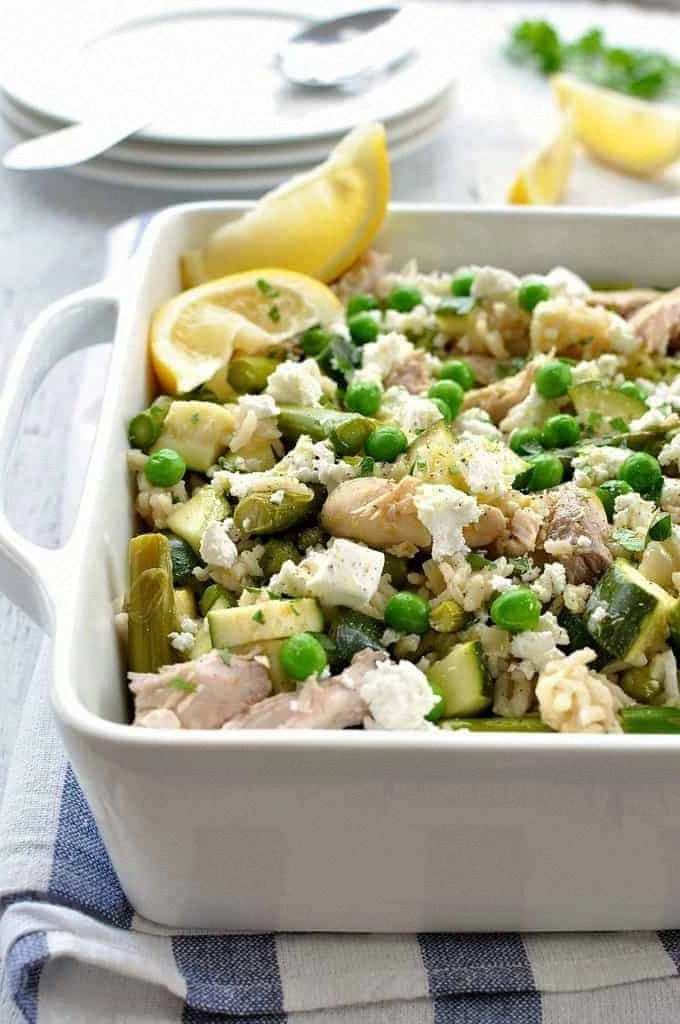
What makes this version stand out is the daring inclusion of feta cheese, crumbled just before serving, that adds a salty tang and creamy crumble that melts into the rice like a secret kiss. Most recipes get the balance of moisture wrong, either drowning the rice or leaving it dry and lifeless. I discovered that the perfect ratio of stock to rice, combined with a quick, high‑heat sauté, yields grains that are fluffy, separate, and just slightly al dente — the kind of texture that makes you want to scoop a bite straight from the pan. And let’s not forget the lemon wedges that sit on the side, waiting to be squeezed, unleashing a bright burst that lifts the whole dish.
I dare you to taste this and not go back for seconds. I promise you’ll be amazed at how a single pot can deliver layers of flavor that dance on your palate. If you’ve ever struggled with one‑pot meals that end up mushy or uneven, you’re not alone — and I’ve got the fix. The secret? A quick deglaze, a timed simmer, and a final flourish of fresh parsley that adds color and a peppery freshness that ties everything together. Okay, ready for the game‑changer? Let me walk you through every single step — by the end, you’ll wonder how you ever made it any other way.
What Makes This Version Stand Out
- Flavor Explosion: The combination of browned chicken, sweet onions, and tangy feta creates a depth that’s rarely achieved in a single pot. Each bite feels like a mini celebration on your tongue.
- Texture Harmony: Crispy asparagus tips, tender zucchini, and fluffy rice coexist without competing, delivering a satisfying mouthfeel from start to finish.
- Simplicity: Only one pan, minimal cleanup, and a straightforward method that even a kitchen novice can master without a hitch.
- Unique Ingredient: The surprise addition of feta cheese adds a salty, creamy finish that most one‑pot dishes lack, turning the ordinary into extraordinary.
- Crowd‑Pleaser: This dish consistently earns rave reviews at family gatherings; even the pickiest eaters can’t resist the bright lemon and fresh parsley.
- Ingredient Quality: Using fresh, high‑quality chicken breast and seasonal vegetables ensures every component shines, making the whole dish greater than the sum of its parts.
- Cooking Method: The high‑heat sauté followed by a gentle simmer locks in moisture while allowing the rice to absorb the flavorful stock perfectly.
- Make‑Ahead Potential: You can prep the veggies and chicken ahead of time, then finish the dish in under 30 minutes when you’re ready to eat.
Inside the Ingredient List
The Flavor Base
The 2 tbsp of olive oil is your golden ticket to flavor. It carries the aromatics, creating a glossy coating that ensures the onion and garlic don’t stick. If you substitute with butter, you’ll get a richer taste but risk burning at high heat. The brown onion, diced finely, provides a sweet backbone that mellows as it caramelizes, while the garlic cloves, minced just before use, release a pungent, earthy perfume that’s essential for depth.
The Texture Crew
Three zucchinis, sliced into half‑moons, add a subtle crunch and a hint of sweetness that balances the savory chicken. The three bunches of asparagus, trimmed and cut into bite‑size pieces, bring a crisp snap that survives the cooking process. Frozen peas contribute a pop of color and a burst of natural sweetness, but if you’re using fresh peas, add them a minute earlier to avoid over‑cooking.
The Unexpected Star
The 60 g of feta cheese is the secret weapon. Crumbled over the finished dish, it melts just enough to create creamy pockets that contrast the hearty rice and veggies. If you’re dairy‑free, try a sprinkle of toasted pine nuts for a nutty crunch, but you’ll miss that salty tang.
The Final Flourish
A small lemon provides both zest and wedges for bright finishing notes. The zest is added near the end to preserve its aromatic oils, while the wedges allow each diner to customize the acidity. Parsley, chopped finely, adds a fresh, herbaceous lift that prevents the dish from feeling heavy.
Everything's prepped? Good. Let's get into the real action…
The Method — Step by Step
Heat a large, heavy‑bottomed skillet over medium‑high heat and add the olive oil. Once the oil shimmers, toss in the diced onion. Stir constantly for 3‑4 minutes until the edges turn translucent and you hear a gentle sizzle that signals the start of caramelization. Watch the color — you want a light golden hue, not brown, to keep the flavor sweet and not bitter.
Watch Out: If the heat is too high, the onions will burn, creating a harsh bitterness that ruins the dish.Add the minced garlic and let it fry for about 30 seconds, just until you smell that unmistakable, heady aroma. This is the moment of truth — if the garlic starts to brown, lower the heat immediately. The garlic should be fragrant but still pale, ensuring it adds depth without bitterness.
Push the onion‑garlic mixture to the sides of the pan, creating a well in the center. Add the chicken breast, cut into bite‑size cubes, and season with a pinch of salt and pepper. Let the chicken sear without moving it for 2‑3 minutes, allowing a golden crust to form. That sizzle when it hits the pan? Absolute perfection. Flip the pieces and brown the other side, ensuring each cube is coated in that caramelized goodness.
Kitchen Hack: Pat the chicken dry with paper towels before seasoning; excess moisture prevents proper browning.When the chicken is nicely browned, stir in the sliced zucchinis and asparagus pieces. Cook for another 2‑3 minutes, letting the vegetables soften just enough to release their natural sugars. You’ll hear a faint crackle as the asparagus tips start to crisp — this is the texture contrast you’ve been waiting for.
Now, pour in the chicken stock, scraping the browned bits from the bottom of the pan. Those caramelized bits are flavor gold, and deglazing ensures they dissolve into the liquid, enriching the broth. Add the rice, spreading it evenly, then stir gently to combine. The rice should be fully submerged but not stirred excessively, which can make it gummy.
Bring the mixture to a gentle boil, then reduce the heat to low, covering the pan with a tight-fitting lid. Let it simmer for 15‑18 minutes, or until the rice has absorbed most of the liquid and is tender. Resist the urge to lift the lid; the steam is crucial for even cooking.
When the rice is cooked, turn off the heat and let the pan sit, still covered, for 5 minutes. This resting period allows the grains to firm up and the flavors to meld. While it rests, toss in the frozen peas — the residual heat will thaw them perfectly without overcooking.
Finish with a generous handful of crumbled feta, a drizzle of fresh lemon juice, and a sprinkle of chopped parsley. Fold gently so the feta melts into creamy pockets. Serve with lemon wedges on the side for an extra burst of brightness. I dare you to taste this and not go back for seconds.
That's it — you did it. But hold on, I've got a few more tricks that'll take this to another level…
Insider Tricks for Flawless Results
The Temperature Rule Nobody Follows
Most home cooks either crank the heat too high or keep it too low, resulting in uneven cooking. The secret is to start high for searing, then immediately drop to a gentle simmer once the stock is added. This quick temperature shift locks in juices and ensures the rice cooks evenly without turning mushy. I once tried a steady medium heat and ended up with rice that stuck to the bottom — not pretty.
Why Your Nose Knows Best
Your sense of smell is a far better indicator of doneness than any timer. When the stock is simmering, you’ll notice a fragrant steam rising, carrying hints of lemon zest and roasted chicken. If the aroma starts to fade, the liquid is evaporating too quickly and you should lower the heat. Trust that nose; it guides you to perfection.
The 5‑Minute Rest That Changes Everything
After the rice has absorbed the stock, removing the pan from heat and letting it rest covered for five minutes lets the grains firm up and the steam redistribute. Skipping this step leaves the rice soggy and the flavors unbalanced. I’ve seen friends serve the dish straight off the burner and it’s a wet mess — don’t be that person.
Feta Timing is Everything
Adding feta too early causes it to melt into a uniform cheese sauce, losing its delightful texture. Wait until the final minute, then fold it in gently. The cheese will melt just enough to create pockets of creaminess without losing its characteristic crumbly bite.
Lemon Zest vs. Juice
Zest provides aromatic oils that sit on top of the dish, while juice adds bright acidity throughout. Use both for a layered citrus experience: zest in the final stir, juice at the table. If you only add juice, you’ll miss that subtle perfume that makes the dish sing.
Creative Twists and Variations
This recipe is a playground. Here are some of my favorite ways to switch things up:
Mediterranean Magic
Swap the chicken for cubed lamb, add sun‑dried tomatoes, and finish with a drizzle of oregano‑infused olive oil. The richer meat pairs beautifully with the feta, creating a dish that feels like a seaside tavern.
Spicy Southwest
Add a teaspoon of smoked paprika and a diced jalapeño with the vegetables. Replace feta with a crumble of cotija cheese and garnish with fresh cilantro. The heat and smoky notes give the dish a bold, Tex‑Mex twist.
Herbaceous Green
Incorporate kale strips and peas, and finish with a handful of fresh basil and mint. Use a splash of vegetable stock instead of chicken for a lighter, herb‑forward profile.
Coconut Curry
Replace the chicken stock with coconut milk, add a tablespoon of red curry paste, and toss in sliced bell peppers. Top with toasted coconut flakes for a tropical flair.
Cheesy Comfort
Stir in shredded mozzarella and a sprinkle of Parmesan during the final minute. The cheese creates a gooey, comforting blanket over the rice and veggies.
Storing and Bringing It Back to Life
Fridge Storage
Allow the dish to cool to room temperature, then transfer to an airtight container. It will keep fresh for up to three days. Reheat gently on the stove over low heat, adding a splash of chicken stock to revive moisture.
Freezer Friendly
Portion the cooled dish into freezer‑safe bags, removing as much air as possible. It freezes well for up to two months. Thaw overnight in the fridge, then reheat in a skillet with a drizzle of oil and a splash of water.
Best Reheating Method
When reheating, add a tiny splash of water or stock and cover the pan. The steam will bring the rice back to its fluffy glory without drying out. Stir occasionally to ensure even heating.