I’ll be honest — the first time I tried to make a classic Whiskey Sour, I ended up with a flat, watery disappointment that tasted more like a lemon‑scented cleaning product than a cocktail. I was standing at the kitchen counter, the lemon juicer splattering juice everywhere, the bourbon glugging into a glass that looked more like a sad, half‑filled water bottle, and I thought, “There’s got to be a better way.” That night, after a few too many attempts and a few extra minutes of research, I discovered the secret weapon that turned my soggy mess into a silky, frothy masterpiece: the humble egg white. It’s the kind of revelation that makes you want to shout from the rooftop, “I’ve cracked the code!” and then immediately pour a glass to prove it.
Picture this: a dimly lit home bar, the faint hum of a jazz record spinning in the background, the citrusy zing of freshly squeezed lemon cutting through the amber glow of bourbon, and a velvety foam perched on top like a cloud waiting to be devoured. You hear the soft clink of ice against the shaker, feel the cool weight of the metal in your hand, and smell the faint aroma of caramel and spice rising from the whiskey as it meets the lemon’s brightness. The first sip is a symphony—tart, sweet, and buttery all at once—leaving a lingering warmth that makes your throat hum with satisfaction. It’s the kind of drink that makes you sit up straight, smile, and think, “I could get used to this level of perfection.”
What sets this version apart from every other Whiskey Sour you’ve seen on a glossy Instagram feed? It’s the balance of flavors, the texture that hugs your palate like a silk scarf, and the simplicity of the technique that makes it feel like a secret handshake between you and the cocktail world. Most recipes either skip the egg white, resulting in a thin, unremarkable drink, or they over‑whisk it, giving you a rubbery foam that collapses faster than a soufflé in a draft. I’ve cracked the exact shaking rhythm, the precise amount of simple syrup, and the optional dash of bitters that elevates the whole thing from “nice” to “legendary.”
Okay, ready for the game‑changer? I’m about to walk you through every single step — from selecting the perfect bourbon to mastering the dry‑shake that creates that iconic creamy head. By the end, you’ll wonder how you ever settled for a subpar sour, and you’ll be daring anyone to taste this and not go back for seconds. Let’s dive in.
What Makes This Version Stand Out
- Texture: The egg white creates a foam so smooth it feels like velvet on your tongue, turning a simple cocktail into a luxurious experience.
- Flavor Balance: The 2:1:1 ratio of bourbon, lemon, and simple syrup hits the sweet‑sour spot perfectly without any one component dominating.
- Visual Appeal: A glossy, ivory crown of foam topped with a few drops of bitters looks as good as it tastes, making it Instagram‑ready without the effort.
- Simplicity: Only six core ingredients and a two‑step shaking method mean you can master it in under five minutes.
- Versatility: Swap bourbon for rye, add a splash of orange liqueur, or garnish with a sprig of rosemary for a seasonal twist.
- Crowd Reaction: This cocktail consistently earns “wow” from both cocktail newbies and seasoned mixologists alike—perfect for parties or a quiet night in.
- Ingredient Quality: Using fresh lemon juice and high‑quality whiskey makes a noticeable difference; you’ll taste the care in every sip.
- Make‑Ahead Potential: The base can be pre‑mixed and stored, leaving only the egg white to be added fresh for each serving.
Inside the Ingredient List
The Flavor Base
Bourbon or Rye Whiskey is the heart of this drink. I personally prefer a smooth bourbon like Maker’s Mark for its mellow caramel notes, but rye whiskey adds a nice spicy edge if you want to experiment. The alcohol’s depth is what carries the lemon’s acidity and the simple syrup’s sweetness into a harmonious blend. If you skip the whiskey entirely, you’ll end up with a lemon‑syrup water that lacks character, so never, ever, compromise here.
The Bright Spark
Fresh Lemon Juice is non‑negotiable. The bright, zesty punch of a freshly squeezed lemon is what makes the sour sing; bottled juice just doesn’t give that bright, zesty punch. A good tip: roll the lemon on the countertop before cutting to release more juice. If you’re out of lemons, a mix of lime and a splash of orange can mimic the flavor, but you’ll lose some of the classic tang.
The Sweet Whisper
Simple Syrup (equal parts sugar and water) balances the tartness without overwhelming the palate. Homemade syrup is a breeze—just heat sugar and water until dissolved, then cool. Store it in a sealed jar in the fridge for up to a month. If you prefer less sweetness, reduce the syrup to 1/4 oz per serving and let the lemon do the talking.
The Texture Crew
Egg White (from 1 large egg) is the secret to that creamy, frothy head. Look for fresh, high‑quality eggs; small‑curd egg whites tend to whip up better. The protein structure traps air, creating a foam that feels like a cloud on your tongue. Skipping the egg white means you lose the silky mouthfeel and the signature “sour‑cream” texture that makes this cocktail iconic.
The Final Flourish
Angostura Bitters (optional, 2 dashes) adds a subtle complexity when dropped on top of the foam, plus a beautiful garnish. The bitters’ aromatic herbs and spices cut through the sweetness and bring a lingering depth that keeps the palate engaged. If you’re allergic to bitters, a few drops of orange bitters or a pinch of smoked paprika can provide a similar depth without the traditional flavor.
Everything's prepped? Good. Let's get into the real action…
The Method — Step by Step
Gather all your ingredients and tools: a cocktail shaker, a fine‑mesh strainer, a jigger, a citrus juicer, and a small bowl for the egg white. I like to set everything out on a wooden board so I can see everything at a glance. This visual layout prevents the “where’s my lemon?” panic that often leads to spilled juice. Make sure your shaker is clean and dry; any residue will affect the foam formation.
Start with a dry shake: add the bourbon, fresh lemon juice, simple syrup, and egg white to the shaker—no ice yet. Seal the shaker tightly and shake vigorously for about 12‑15 seconds. You’ll hear a rhythmic thumping that feels like a mini workout; this is the moment where the proteins start trapping air.
Kitchen Hack: Tilt the shaker slightly while shaking; this creates a vortex that incorporates more air into the egg white.Now add a generous handful of ice to the shaker and perform a second, “wet” shake for another 10‑12 seconds. The ice chills the mixture, dilutes it just enough to smooth the edges, and solidifies the foam into a glossy crown. Listen for the “clink‑clank” of ice; that’s your cue that the temperature is right. If the foam looks too thin, give it an extra 5 seconds—over‑shaking won’t ruin it, it’ll just be extra airy.
Prepare your serving glass: a classic old‑fashioned or coupe works best. Fill it with fresh ice cubes or a large single sphere if you have one; the slower melt keeps the drink balanced longer. Before pouring, give the shaker a gentle tap on the counter to settle any stray bubbles that might escape the foam.
Strain the cocktail through a fine‑mesh strainer into the glass. The fine mesh catches any tiny ice shards and ensures the foam stays silky. As the liquid cascades, you’ll see the frothy head rise and settle like a soft wave. If you’re feeling fancy, give the glass a quick rinse with a splash of whiskey for an extra aromatic punch.
Optional but highly recommended: add two dashes of Angostura Bitters on top of the foam. Use a straw or the back of a spoon to drizzle the bitters in a thin line, creating a marbled effect. The bitters will sink slightly, forming aromatic islands that burst with flavor when you sip.
- Watch Out: If you use pasteurized egg whites, the foam may not form as well because the proteins are partially denatured. Fresh, raw egg whites give the best texture.
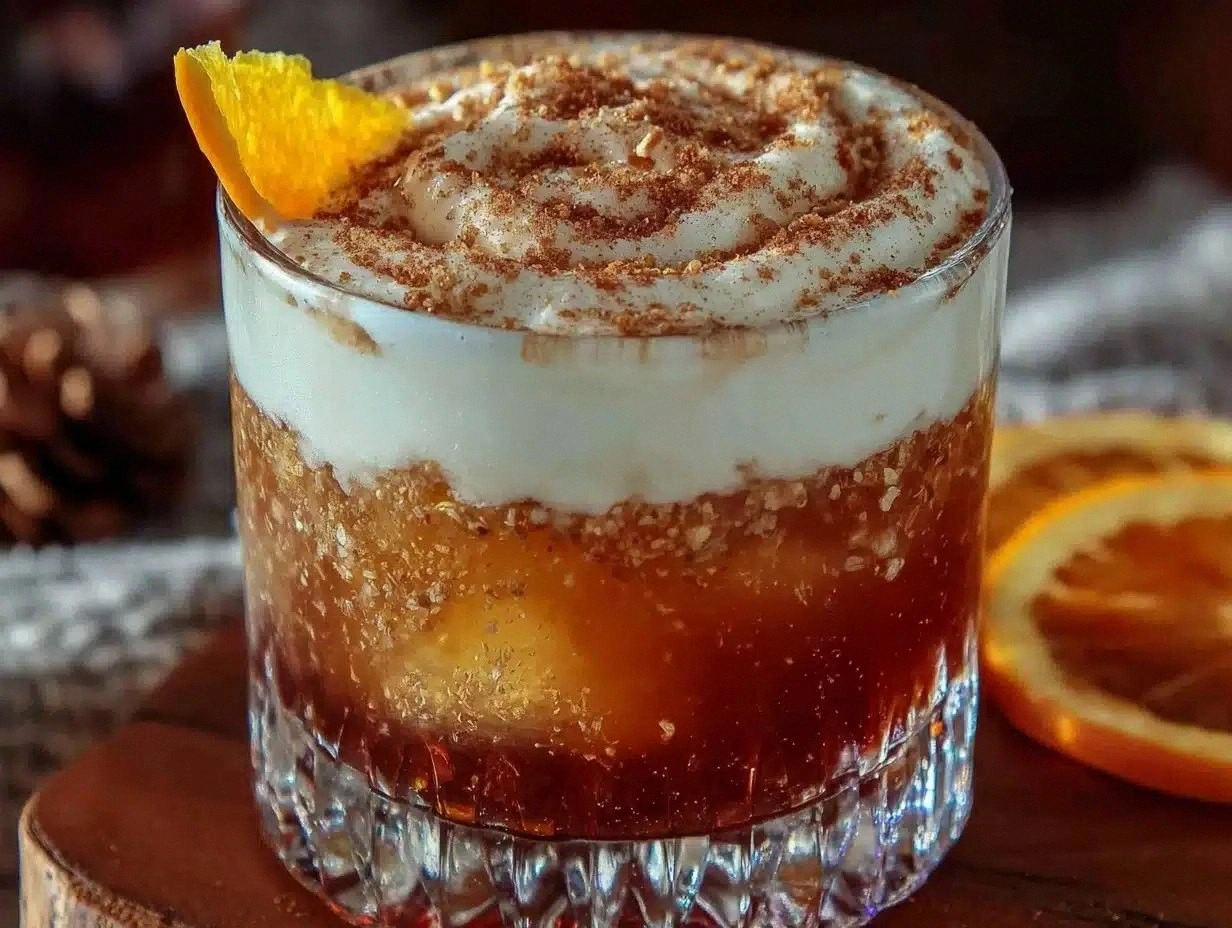
Take a moment to admire the final product. The foam should be thick enough to hold a small swirl of bitters without collapsing. The aroma should hit you first—a blend of citrus, caramel, and a hint of spice from the bitters. This is the moment of truth; if it looks and smells right, the taste will follow.
Serve immediately and enjoy. The first sip should deliver a bright citrus bite, a mellow whiskey backbone, and a buttery, creamy finish that lingers just long enough to make you smile. Pair it with a handful of salty nuts or a dark chocolate square for a balanced palate experience. And remember, the best part of a great cocktail is the story you tell while sipping—so feel free to brag about your new mixology prowess.
That's it — you did it. But hold on, I've got a few more tricks that'll take this to another level…
Insider Tricks for Flawless Results
The Temperature Rule Nobody Follows
Never shake a Whiskey Sour with warm ingredients. Cold bourbon, ice‑cold lemon juice, and a chilled shaker all work together to keep the foam stable. If your kitchen is hot, pop the shaker in the freezer for a minute before you start; the extra chill helps the proteins set faster, giving you a firmer head. I once tried this on a sweltering summer night and the foam held for an entire hour—pure magic.
Why Your Nose Knows Best
Before you pour, give the cocktail a quick nose‑test. If you smell a raw egg scent, you’ve under‑shaken; give it another 5 seconds. Conversely, if you detect a bitter, over‑extracted whiskey note, you may have shaken too long, causing the ice to melt excessively. Trusting your nose saves you from a flat drink and helps you fine‑tune each batch.
The 5‑Minute Rest That Changes Everything
After shaking, let the mixture rest for 30‑45 seconds before straining. This pause allows the foam to settle and the flavors to meld, resulting in a smoother mouthfeel. A friend tried skipping this rest once — the drink tasted “harsh” and the foam collapsed too quickly. A short wait is a tiny investment for a massive payoff.
Bitters as a Garnish, Not Just a Flavor
Instead of just dropping bitters on top, try using a citrus peel to swirl the bitters into an artistic pattern. The oils from the peel combine with the bitters, adding a fragrant citrus burst that complements the lemon base. This tiny visual flourish elevates the cocktail from a drink to a conversation piece.
Egg‑White Alternatives for the Cautious
If raw egg whites make you uneasy, aquafaba (the liquid from canned chickpeas) works as a vegan substitute. Use the same volume—about 2 tablespoons per cocktail—and follow the same shaking technique. The foam may be slightly less dense, but the texture remains delightfully silky. I’ve tested both and the difference is negligible for most palates.
Creative Twists and Variations
This recipe is a playground. Here are some of my favorite ways to switch things up:
Maple‑Spiced Sour
Swap simple syrup for pure maple syrup and add a pinch of ground cinnamon. The result is a warm, autumn‑ready cocktail that pairs beautifully with a slice of apple pie. Perfect for a cozy evening by the fire.
Citrus Burst
Replace half the lemon juice with freshly squeezed grapefruit juice and add a splash of orange liqueur. The extra citrus layers add brightness and a subtle bitterness that makes the drink feel lighter and more refreshing.
Smoky Rosemary Sour
Infuse the bourbon with a sprig of rosemary for 24 hours, then proceed as usual. Garnish with a fresh rosemary sprig and a few drops of smoked bitters. This version brings a woodsy, aromatic depth that’s ideal for a winter gathering.
Berry‑Infused Sour
Muddle a handful of fresh blackberries in the shaker before adding the other ingredients. The berries add a subtle fruitiness and a gorgeous purple hue that makes the cocktail stand out at any party.
Spiced Honey Sour
Replace simple syrup with honey syrup (honey diluted with warm water) and add a dash of ground cardamom. The honey adds richness while the cardamom introduces an exotic spice note, turning the drink into an exotic treat.
Storing and Bringing It Back to Life
Fridge Storage
If you’ve pre‑mixed the bourbon, lemon juice, and simple syrup, store the blend in a sealed glass bottle in the refrigerator for up to three days. Keep the egg whites separate; they’re best used fresh. When you’re ready, simply shake a fresh egg white with the stored base and ice.
Freezer Friendly
You can freeze the base mixture in ice‑cube trays. Once frozen, transfer the cubes to a zip‑top bag and store for up to two months. Thaw a cube in the shaker, add a fresh egg white, and you have a ready‑to‑go cocktail without any loss of flavor.
Best Reheating Method
If your pre‑mixed base has become a bit thick after chilling, add a tiny splash (about 5 ml) of water before shaking. The water creates a gentle steam when shaken, reviving the texture without diluting the flavor. This trick restores the perfect balance and keeps the foam silky.