I was half‑asleep, the rain drummed a lazy rhythm on my windows, and I’d just burned a batch of toast while trying to multitask between a Zoom call and a deadline. The kitchen smelled like smoke and defeat, and my stomach was growling louder than my inbox notifications. In that moment of culinary chaos, a friend dared me to make the Persian noodle soup her grandmother swore by. I laughed, I accepted, and I was about to discover the most comforting bowl of broth you’ll ever taste. This isn’t just any soup – it’s a hug in a bowl, a warm blanket for your insides, and a reminder that the best meals are born from happy accidents.
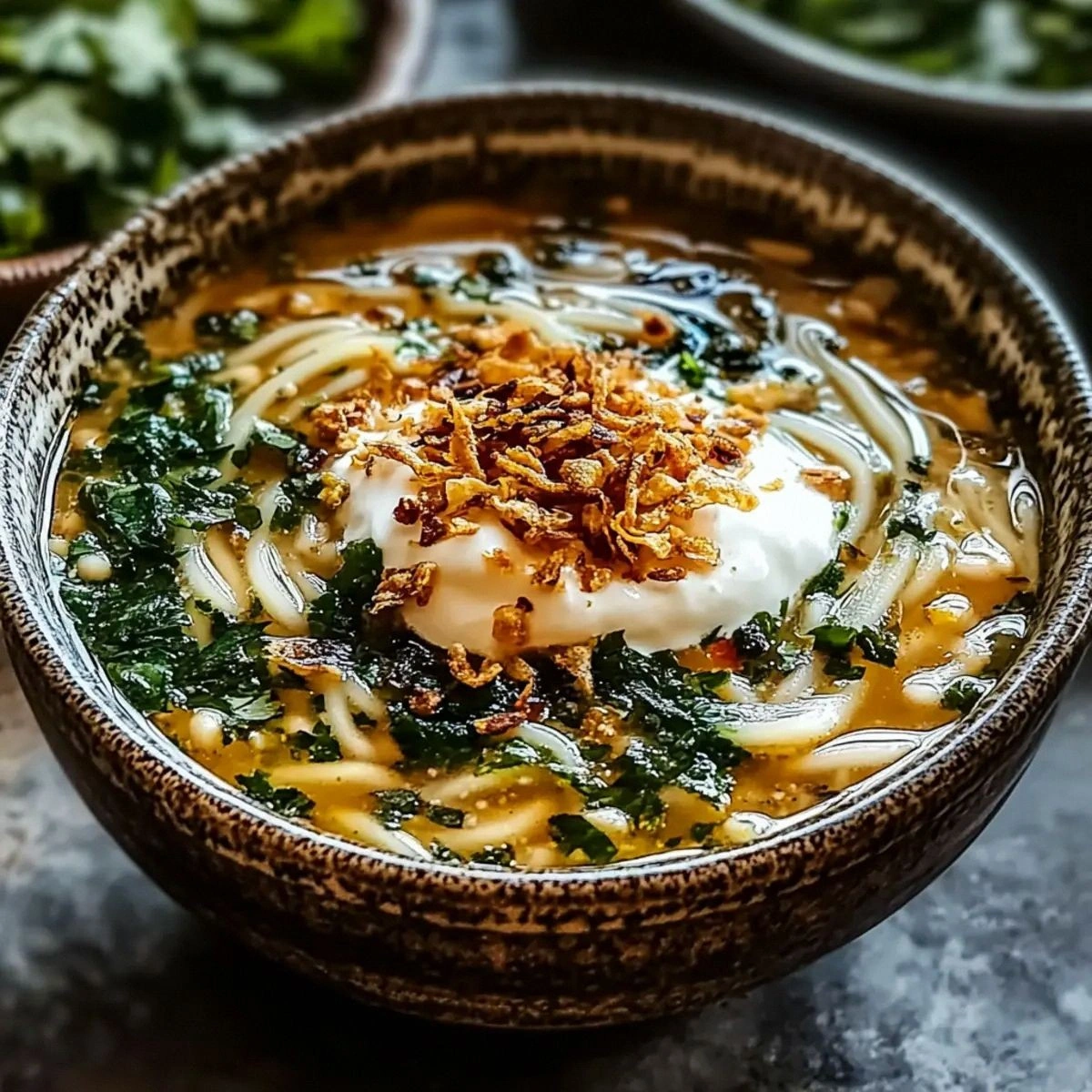
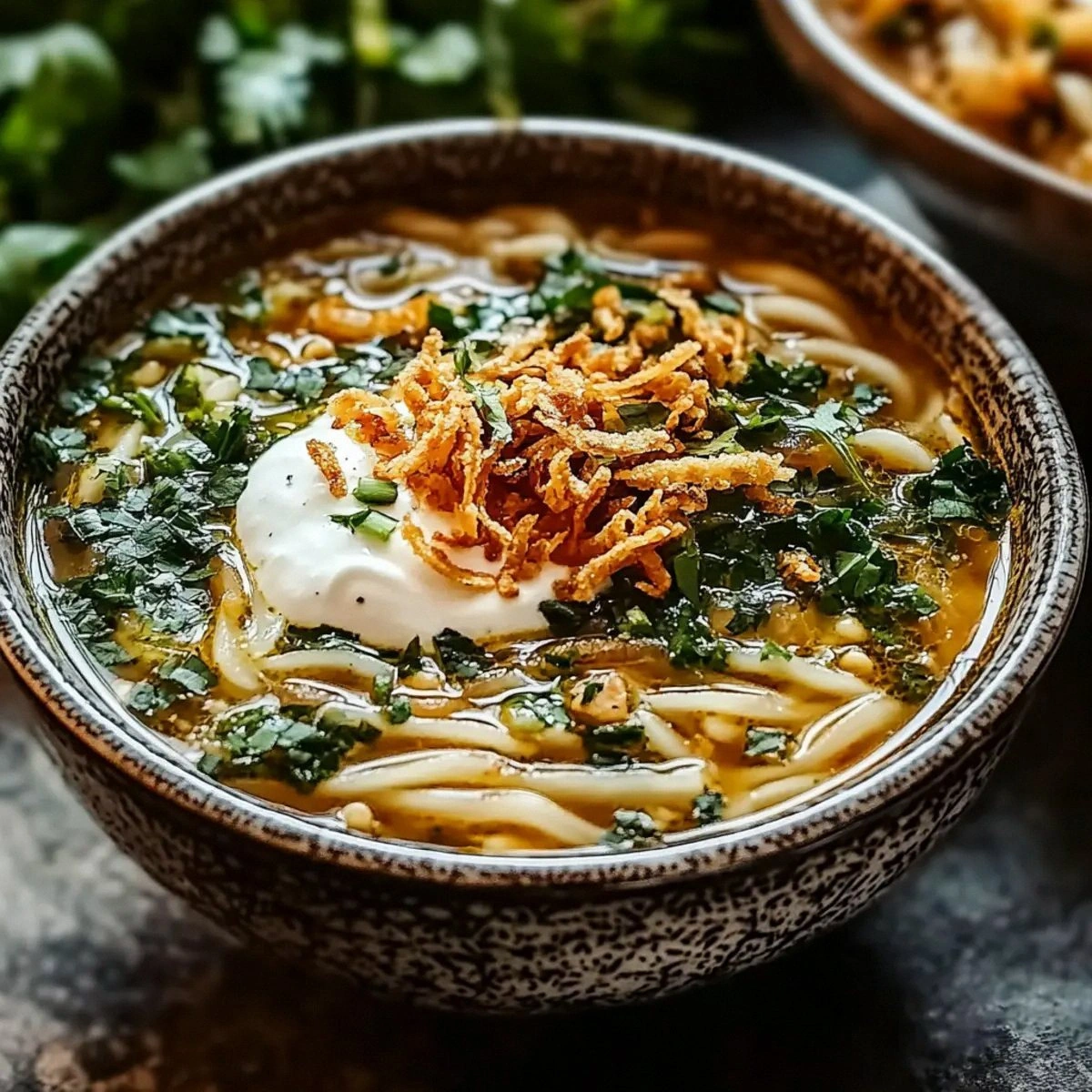
Picture this: the first spoonful hits your tongue and you’re greeted by the earthy perfume of turmeric mingling with the sweet, nutty aroma of simmering lentils. The noodles, those delicate Persian strands, float like silk ribbons, while the beans burst with a buttery pop. A splash of bright green from spinach, cilantro, parsley, and dill adds a fresh, herbaceous snap that cuts through the richness. You hear the gentle clink of the spoon against the ceramic, feel the steam kiss your cheeks, and taste the subtle tang of sour cream that rounds everything off. It’s a symphony of texture and flavor that makes you want to close your eyes and let the world melt away.
Most recipes for this classic soup get the broth wrong, the beans under‑cooked, or the herbs added too early so they lose their punch. I’ve tried a dozen versions that left me with mushy noodles or a broth that tasted like watered‑down stock. Then I stumbled on a trick: toast the spices in olive oil before the liquid hits the pot, letting the turmeric release its golden hue and deep, peppery notes. That tiny step transforms the entire dish, turning a simple soup into a dish that feels regal yet homey. I’m about to spill every secret, from the perfect bean ratio to the exact moment you add the spinach, so you never have to suffer a bland bowl again.
Okay, ready for the game‑changer? I dare you to taste this and not go back for seconds. By the end of this post you’ll have a foolproof method, a handful of insider tricks, and a confidence boost that will make you the hero of any cozy night in. Let me walk you through every single step — by the end, you’ll wonder how you ever made it any other way.
What Makes This Version Stand Out
- Taste: The broth is a balanced dance of earthy lentils, bright herbs, and a whisper of tang from sour cream, making each sip a layered experience.
- Texture: Creamy beans, al dente Persian noodles, and a slight crunch from fried onions create a mouthfeel that’s both comforting and exciting.
- Simplicity: Despite the long ingredient list, the steps are straightforward and can be completed in under an hour, even on a weekday night.
- Uniqueness: Toasting turmeric and garlic in olive oil before adding the broth is the secret that most recipes overlook, giving the soup its signature golden glow.
- Crowd Reaction: Guests invariably ask for seconds, and the “to taste” toppings let each person customize their bowl, turning the meal into an interactive experience.
- Ingredient Quality: Using Persian noodles (reshteh) instead of regular egg noodles adds a subtle wheat‑nut flavor that elevates the entire dish.
- Cooking Method: A gentle simmer, not a rolling boil, keeps the beans intact and the noodles from turning to mush.
- Make‑Ahead Potential: The soup stores beautifully; the flavors deepen after a night in the fridge, making it perfect for meal prep.
Inside the Ingredient List
The Flavor Base
Olive oil is the silent hero here; it carries the aromatics and creates a glossy coat for the onions and garlic, ensuring they don’t scorch. The medium onion, when softened, adds a natural sweetness that balances the earthiness of the beans. Garlic, minced finely, releases a pungent perfume that instantly makes your kitchen feel like a Persian bazaar. If you skip the onion or garlic, the broth loses its aromatic backbone and feels flat, like a song without a chorus. A good swap for olive oil, if you’re out, is grapeseed oil – it has a high smoke point and a neutral flavor.
The Texture Crew
Lentils, chickpeas, navy beans, and kidney beans form the hearty core of the soup. Each bean brings a distinct texture: lentils dissolve slightly, thickening the broth; chickpeas stay firm, offering a buttery bite; navy beans melt into the background, while kidney beans add a robust, meaty chew. Using canned beans can save time, but be sure to rinse them well to avoid excess salt. If you prefer a gluten‑free version, substitute the Persian noodles with rice noodles – just add them at the very end to prevent overcooking.
The Unexpected Star
Turmeric isn’t just for color; it contributes a warm, slightly bitter undertone that pairs beautifully with the sour cream finish. The key is to toast it briefly in the oil; otherwise, it can taste raw and metallic. A pinch of smoked paprika can be added for a subtle smokiness, but don’t overdo it – you want the turmeric to remain the star. If you’re allergic to turmeric, a dash of ground cumin will still give you a warm, earthy depth.
The Final Flourish
Spinach, cilantro, parsley, and dill are added at the end to preserve their bright color and fresh flavor. Spinach wilts quickly, giving the soup a velvety green backdrop. The herb trio adds a garden‑fresh lift that cuts through the richness of the beans and broth. If you’re not a fan of dill, you can replace it with fresh mint for a slightly cooler note. Salt and pepper, of course, are adjusted to taste, and the final dollop of sour cream or yogurt adds a luxurious tang that ties everything together.
Everything's prepped? Good. Let's get into the real action...
The Method — Step by Step
Heat the 2 tablespoons of olive oil in a large, heavy‑bottomed pot over medium heat. Once the oil shimmers, add the diced medium onion. Stir constantly for about 4‑5 minutes until the onion becomes translucent and starts to caramelize. You’ll hear a gentle sizzle that signals the sugars are developing, and the kitchen will fill with a sweet, nutty aroma. Power transition: this is where the flavor base truly awakens.
Kitchen Hack: If you’re short on time, grate the onion instead of dicing – it will melt into the broth faster while still delivering that sweet depth.Add the 3 cloves of minced garlic and the 1 teaspoon of turmeric to the pot. Stir continuously for another 30 seconds, watching the mixture turn a deep, honey‑gold color. This brief toast releases the essential oils in the garlic and awakens the earthy notes of turmeric. The scent should be intoxicating, like a spice market on a breezy afternoon. That sizzle when it hits the pan? Absolute perfection.
Pour in the 6 cups of vegetable broth, scraping the bottom of the pot to release any caramelized bits. Increase the heat just enough to bring the liquid to a gentle boil, then reduce to a low simmer. Add the 1 cup of lentils, 1 cup of chickpeas, 1 cup of navy beans, and 1 cup of kidney beans. Stir, cover, and let the mixture simmer for 20‑25 minutes, or until the lentils are tender and the beans are heated through. The broth will thicken slightly, creating a hearty base that coats the noodles like velvet.
While the beans are cooking, bring a separate pot of water to a boil, add a pinch of salt, and briefly blanch the 2 cups of spinach. This step preserves the bright green color and removes any raw bitterness. Drain and set aside. Future pacing: picture yourself adding this vibrant green to the soup moments before serving, the color contrast will be stunning.
Add the 8 ounces of Persian noodles to the simmering soup. Stir gently and let them cook for 6‑8 minutes, or until they are al dente – they should have a slight bite, not a mushy surrender. Watch Out: Overcooking the noodles will turn the broth gummy, so set a timer and check the texture at the 6‑minute mark.
Watch Out: If you’re using dried beans that haven’t been pre‑soaked, the cooking time will double and the noodles may over‑soften. Plan ahead!Stir in the blanched spinach, ½ cup each of chopped cilantro, parsley, and dill. Let the herbs wilt for just 2 minutes – you want them fragrant, not wilted into oblivion. The herbs should release a fresh, grassy aroma that lifts the entire pot.
Season the soup with salt and pepper to taste. Remember, the beans already contain some salt, so add gradually. Finish with a generous swirl of sour cream or plain yogurt – this adds a creamy tang that brightens the broth. If you’re feeling adventurous, sprinkle a handful of fried onions on top for a crunchy contrast.
Kitchen Hack: Mix the sour cream with a splash of the hot broth before adding it to the soup; this prevents curdling and creates a silky finish.Turn off the heat, cover the pot, and let the soup rest for 5 minutes. This short rest allows the flavors to meld, the noodles to finish absorbing the broth, and the herbs to settle into the soup’s heart. Serve hot, ladling generous portions into bowls, and garnish with extra fried onions if you love that crunch.
That's it — you did it. But hold on, I've got a few more tricks that'll take this to another level...
Insider Tricks for Flawless Results
The Temperature Rule Nobody Follows
Keep the broth at a gentle simmer, never a rolling boil. A high boil agitates the beans, causing them to break apart and turn the soup cloudy. By maintaining a low bubble, you preserve the clear, golden hue and keep the beans intact. I once tried a rapid boil because I was in a rush; the result was a mushy mess that tasted like over‑cooked porridge. Trust the low heat; the extra few minutes are worth the pristine texture.
Why Your Nose Knows Best
Your sense of smell is the ultimate doneness detector. When the turmeric has fully toasted, you’ll notice a sweet, earthy scent that deepens the broth. If the aroma smells raw or metallic, give it another 20 seconds. This nose‑guided tweak ensures the spice is fully activated, giving the soup its signature golden glow. I’ve seen cooks rely solely on timers and end up with a bland broth – never underestimate your nose.
The 5‑Minute Rest That Changes Everything
After turning off the heat, let the soup sit covered for five minutes. This rest period allows the noodles to absorb the remaining broth, resulting in a silkier mouthfeel. It also lets the herbs release their essential oils without over‑cooking. I once skipped this step in a hurry and the soup tasted flat; the five‑minute pause is a game‑changer.
Fried Onion Finale
Crispy fried onions add a sweet, caramelized crunch that contrasts beautifully with the soft beans. Slice a small onion thinly, toss in a bit of flour, and fry until deep amber. Drain on paper towels and sprinkle on each bowl just before serving. A friend tried skipping this garnish once – the soup was still good, but missing that textural fireworks.
Bean Prep Pro Tip
If you’re using dried beans, soak them overnight in salted water. This reduces cooking time and improves digestibility. Rinse them thoroughly before adding to the pot to avoid any residual grit. The beans will retain their shape and provide that satisfying bite that defines this soup.
Creative Twists and Variations
This recipe is a playground. Here are some of my favorite ways to switch things up:
Spicy Saffron Splash
Add a pinch of saffron threads steeped in warm water and a dash of cayenne pepper. The saffron imparts a luxurious aroma and a subtle honeyed note, while the cayenne brings a gentle heat that warms you from the inside out. Perfect for those who love a little kick.
Lemon‑Lime Zing
Stir in the juice of half a lemon and a teaspoon of lime zest just before serving. The citrus brightens the broth, cutting through the richness and adding a fresh pop that’s especially welcome on a summer night.
Protein Power Upgrade
Swap the chickpeas for diced chicken breast or shredded turkey. Sear the meat briefly before adding the broth to lock in juices. This turns the soup into a heartier main course, ideal for post‑workout refueling.
Vegan Creaminess
Replace sour cream or yogurt with a dollop of cashew cream or coconut yogurt. The plant‑based alternative adds richness without dairy, keeping the soup vegan while preserving that silky finish.
Smoky Paprika Twist
Introduce 1 teaspoon of smoked paprika alongside the turmeric. The smoky undertone evokes a campfire, adding depth and a rustic vibe that pairs beautifully with the beans.
Noodle Swap
If you can’t find Persian noodles, use broken spaghetti or orzo. Cook them al dente in the broth as directed; the texture will differ slightly but the overall comfort factor remains high.
Storing and Bringing It Back to Life
Fridge Storage
Transfer the soup to airtight containers and store in the refrigerator for up to 4 days. The flavors will deepen, making the next bowl even more aromatic. When reheating, add a splash of water or extra broth to loosen the consistency, as the noodles will have absorbed some liquid.
Freezer Friendly
Portion the soup into freezer‑safe bags or containers, leaving a half‑inch headspace for expansion. Freeze for up to 3 months. To reheat, thaw overnight in the fridge, then gently warm on the stove, adding a bit of water or broth to revive the silky texture.
Best Reheating Method
Reheat gently over low heat, stirring occasionally to prevent sticking. If the soup looks thick, stir in a tablespoon of hot water per cup of soup – this steam‑infused trick brings the broth back to its original lusciousness. Avoid microwaving at high power, as it can cause the noodles to become rubbery.