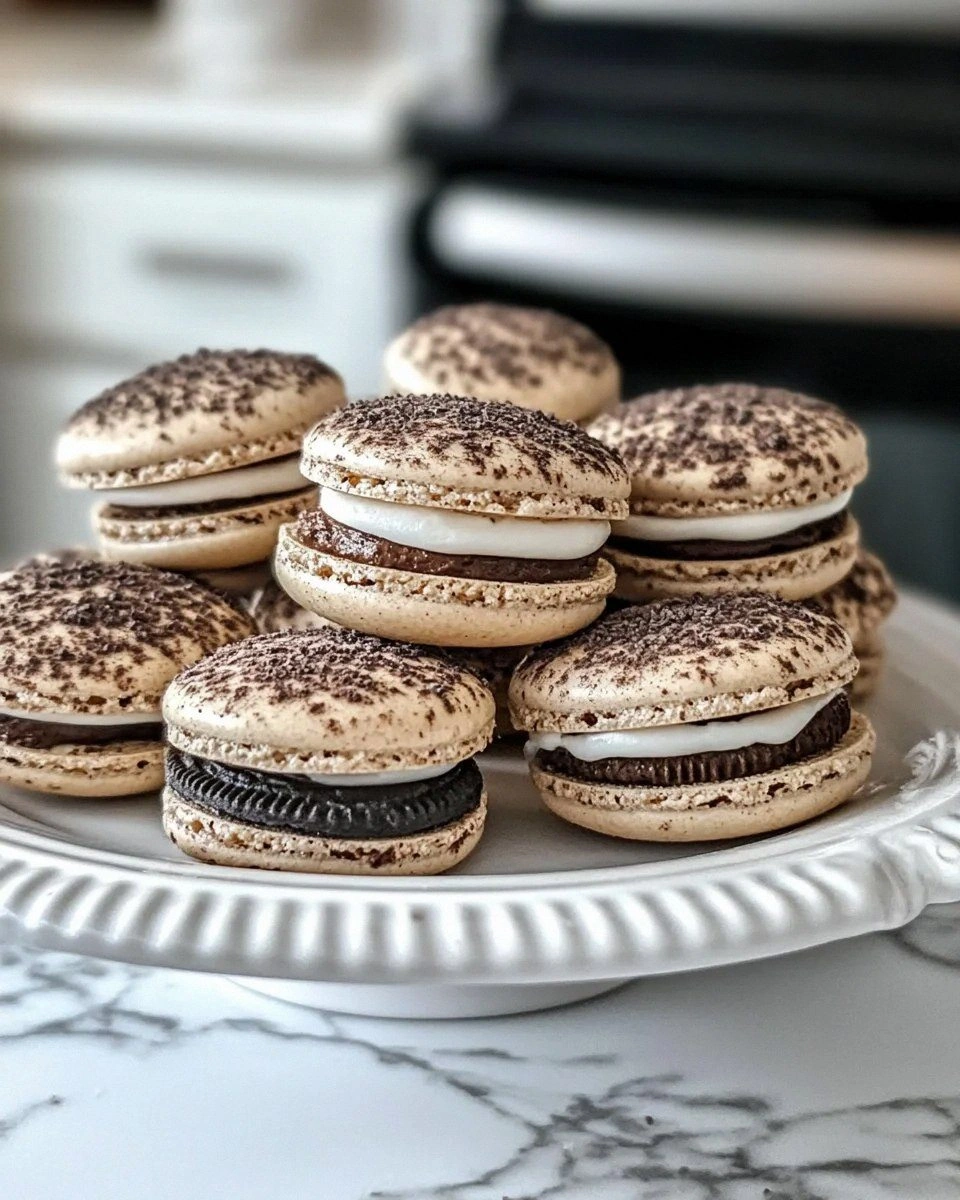
Picture this: you’re in the middle of a frantic Saturday night, the oven is humming, the kids are begging for something sweet, and you’ve just realized you’ve run out of the usual go‑to dessert. Panic? Not for long. I grabbed a bag of chocolate sandwich cookies, a tub of almond flour, and a handful of courage, and what happened next was nothing short of a culinary epiphany. The kitchen filled with the buttery, nutty perfume of almond flour mingling with the nostalgic cocoa aroma of crushed cookies, and I swear the oven itself seemed to sigh in approval. I dared myself to keep the experiment a secret, but the moment those delicate shells emerged, glossy and perfect, I couldn’t help but shout, “I’ve just invented the best cookies‑and‑cream macaron ever!”
Now, let’s talk texture. Imagine biting into a cloud that snaps with a crisp, feather‑light shell, only to reveal a silky, buttery filling that melts like a dream on your tongue. That contrast is what makes macarons the ultimate dessert paradox, and this version takes it to a whole new level. Most recipes either over‑mix the batter, resulting in flat, sad discs, or under‑mix, leaving you with a rubbery mess that refuses to rise. I’ve cracked the code, and the secret lies in a few precise steps that I’ll walk you through, step by step, so you can finally achieve that signature “feet” that looks like tiny, elegant waves at the base of each macaron.
What truly sets this recipe apart is the daring inclusion of real cookie crumbs inside the shells and a velvety cream‑cheese buttercream that tastes like a milkshake in a bite. I’m not talking about a sprinkle of cookie dust; I’m talking about a full‑on cookies‑and‑cream experience that makes each bite feel like a nostalgic trip to the ice‑cream parlor, but with the sophistication of French patisserie. And yes, I’ll be honest — I ate half the batch before anyone else could try it, because once you taste this, you’ll understand why it’s impossible to stop at one.
So, strap in, because I’m about to spill the beans (and the crumbs) on everything that makes this recipe a show‑stopper. I’ll reveal a technique that most bakers overlook, a secret ingredient that adds a surprise pop of flavor, and a handful of hacks that will keep you from the dreaded “hollow shell” disaster. Let me walk you through every single step — by the end, you’ll wonder how you ever made macarons any other way.
What Makes This Version Stand Out
- Flavor: The infusion of real cookie crumbs into the batter gives each shell an authentic cookies‑and‑cream punch that no powdered sugar alone can achieve.
- Texture: A crisp, airy shell paired with a luxuriously smooth buttercream creates a mouthfeel that dances between crunchy and melt‑in‑your‑mouth.
- Simplicity: Despite the reputation of macarons as a high‑tech pastry, this method uses everyday tools and a straightforward folding technique.
- Uniqueness: The double‑layered cookie flavor—inside the shell and in the filling—makes this a true “sweet surprise.”
- Crowd Reaction: Guests are instantly impressed; you’ll hear the “wow” before the first bite, and the second round is always a repeat.
- Ingredient Quality: Using finely ground almond flour and premium chocolate sandwich cookies elevates the flavor profile without breaking the bank.
- Cooking Method: A precise macaronage ensures the batter reaches the perfect ribbon consistency, guaranteeing those coveted feet.
- Make‑Ahead Potential: These beauties store beautifully, so you can prep them days in advance and still serve them fresh.
Inside the Ingredient List
The Flavor Base
Almond Flour (1 cup): This is the backbone of any macaron, providing the nutty aroma and delicate crumb structure. If you skip it for regular flour, you’ll end up with dense, gritty shells that crumble on the first bite. Look for blanched almond flour, and give it a quick pulse in a food processor to break up any larger pieces.
Powdered Sugar (1 cup): It sweetens the shells and helps create that glossy finish. Using a high‑quality confectioners’ sugar prevents graininess. If you can’t find it, blend granulated sugar in a blender for a few seconds, but be sure to sift it well.
The Texture Crew
Egg Whites (2 large, room temperature): The meringue is the engine that lifts the shells. Room‑temperature whites whip faster and achieve a more stable peak. If you’re nervous about raw eggs, you can use pasteurized egg whites, but the texture may be slightly less airy.
Granulated Sugar (¼ cup): This sugar stabilizes the meringue, ensuring glossy peaks and a smooth texture. Adding it gradually while whipping prevents the batter from becoming grainy.
Vanilla Extract (1 tsp): A splash of vanilla rounds out the flavor, tying the almond and chocolate notes together. For an extra twist, substitute half the vanilla with a dash of espresso powder.
The Unexpected Star
Crushed Chocolate Sandwich Cookies (½ cup): Here’s the game‑changer: real cookie crumbs folded into the batter. They add a subtle crunch and a deep cocoa flavor that powdered sugar can’t mimic. Be sure to crush them into fine crumbs; large chunks will create uneven shells.
Unsalted Butter (2 tbsp, softened): Butter enriches the buttercream, giving it that melt‑in‑your‑mouth richness. Use high‑quality European butter for a silkier finish.
The Final Flourish
Cream Cheese (4 oz, softened): This adds a tangy depth to the filling, balancing the sweetness of the cookies. If you prefer a milder flavor, you can substitute half the cream cheese with mascarpone.
Heavy Cream (¼ cup): Whipping the cream with the butter and cheese creates a light, airy buttercream that won’t weigh down the delicate shells.
Salt (pinch): A tiny pinch amplifies all the flavors, ensuring the sweet doesn’t become cloying.
Everything's prepped? Good. Let’s get into the real action…
The Method — Step by Step
Preheat your oven to 300°F (150°C) and line two baking sheets with parchment paper or silicone mats. This lower temperature is crucial for the gentle rise that creates the perfect “feet.” While the oven warms, set out a clean kitchen towel and a piping bag fitted with a ½‑inch round tip. I dare you to taste this and not go back for seconds—once you see the shells, you’ll be hooked.
In a large bowl, whisk the almond flour and powdered sugar together, then sift the mixture twice into a clean bowl. The double sift removes any stubborn lumps and aerates the dry ingredients, which is the first secret to a smooth batter. Power transition: Okay, ready for the game‑changer? This is where the magic begins.
Start the meringue by beating the egg whites on medium speed until they become foamy. Gradually add the granulated sugar, a spoonful at a time, while continuing to whisk. Once the sugar is fully incorporated, crank the mixer to high and beat until stiff, glossy peaks form—think “silky waterfall” rather than “stiff rope.”
Gently fold the vanilla extract and a pinch of salt into the meringue, then begin the macaronage. Add the sifted dry mixture in two batches, folding with a flexible rubber spatula. The batter should flow like lava, thick enough to hold a ribbon shape when lifted but not so runny that it pools.
Kitchen Hack: Use a “figure‑eight” motion when folding; this helps achieve the perfect consistency without over‑mixing.Now for the surprise element: fold in the finely crushed chocolate sandwich cookies. Do this gently—over‑mixing will cause the crumbs to sink, leaving a mottled surface. The batter should now have a faint chocolate hue and a subtle, buttery aroma. If you pause now, you’ll notice the scent of cocoa mingling with almond, a preview of the final flavor.
Transfer the batter to the prepared piping bag. Pipe 1‑inch circles onto the parchment, spacing them about an inch apart. Tap the trays firmly on the counter three times to release any air bubbles. The tops should be smooth and glossy; if you see any cracks, you’ve likely over‑mixed.
Let the shells rest at room temperature for 30‑45 minutes, or until a light skin forms and the tops are no longer tacky to the touch. This “drying” step is essential for the development of feet. I’ll be honest—if you skip it, the shells will crack and the feet will be flat.
While the shells rest, prepare the buttercream. Beat the softened butter and cream cheese together until pale and fluffy. Slowly add the heavy cream, then fold in the remaining crushed cookie crumbs for texture. The filling should be smooth, with a glossy sheen that hints at the cookie crunch inside.
Slide the trays into the preheated oven and bake for 18‑22 minutes. The shells are done when they have risen slightly, the tops are firm to the touch, and the edges have begun to pull away, revealing those coveted feet. Watch Out: Opening the oven door before the 15‑minute mark can cause the shells to collapse.
Remove the macarons and let them cool completely on the tray before attempting to remove them. Once cool, pair shells of similar size, pipe a generous dollop of the cookie‑cream buttercream onto the flat side, and gently sandwich. The filling should ooze just a little, creating a perfect balance of flavors.
That’s it — you did it. But hold on, I’ve got a few more tricks that’ll take this to another level…
Insider Tricks for Flawless Results
The Temperature Rule Nobody Follows
The secret to perfect feet isn’t just about oven heat; it’s about the temperature of the batter when it hits the tray. Let the piped shells sit at a cool 68°F (20°C) before baking; this helps the shells set gently and form those delicate, lacy feet. I once tried baking them straight from a warm kitchen and ended up with flat, sad discs—lesson learned.
Why Your Nose Knows Best
Don’t rely solely on a timer when checking the meringue. The aroma changes: a fresh, sweet scent signals that the peaks are ready, while a faintly eggy smell means you need a few more seconds. Trust your nose, and you’ll avoid over‑beating, which can lead to a dry, crumbly texture.
The 5‑Minute Rest That Changes Everything
After piping, the shells need exactly five minutes of additional rest before the main drying period. This tiny pause allows the surface tension to tighten, which in turn creates a cleaner, shinier top. Skipping this step is a common mistake that results in dull, matte shells.
Buttercream Balance
When making the filling, keep the butter and cream cheese at the same temperature. If one is colder, the mixture will separate, leaving you with a grainy buttercream. I once used cold butter straight from the fridge and ended up with a lumpy mess—never again.
Storage Savior
Macarons love to age. Store them in an airtight container in the fridge for at least 24 hours before serving; this allows the flavors to meld and the shells to soften just enough for that perfect bite. If you’re impatient, a quick 30‑minute room‑temperature rest before serving will still give you a delightful texture.
Creative Twists and Variations
This recipe is a playground. Here are some of my favorite ways to switch things up:
White Chocolate Dream
Swap the chocolate sandwich cookies for white chocolate chips and add a splash of vanilla bean paste to the buttercream. The result is a pastel‑pink macaron with a buttery, creamy filling that feels like a summer day.
Salted Caramel Crunch
Fold caramel bits into the buttercream and sprinkle a pinch of flaky sea salt on top before sealing. The sweet‑salty combo adds depth and makes the macarons perfect for an after‑dinner treat.
Matcha Magic
Replace the cookie crumbs with finely ground matcha powder and add a touch of honey to the buttercream. The earthy green hue and subtle bitterness contrast beautifully with the sweet almond base.
Espresso Explosion
Mix instant espresso powder into the dry ingredients and incorporate a shot of espresso into the buttercream. The coffee‑infused shells are perfect for brunch or as a pick‑me‑up after lunch.
Berry Bliss
Blend freeze‑dried raspberry powder into the almond flour mixture and swirl a raspberry jam into the buttercream. The tart berry notes cut through the richness, creating a balanced flavor profile.
Nutty Delight
Swap half of the almond flour for finely ground hazelnuts and add toasted hazelnut pieces to the filling. The nutty aroma and crunchy texture elevate the macarons to a sophisticated snack.
Storing and Bringing It Back to Life
Fridge Storage
Place the assembled macarons in a single layer inside an airtight container. Store them in the refrigerator for up to 5 days. The cool environment keeps the buttercream firm and the shells from drying out.
Freezer Friendly
Unfilled shells freeze exceptionally well. Lay them on a parchment‑lined tray, flash‑freeze for 30 minutes, then transfer to a zip‑top bag. They’ll stay fresh for up to 2 months. When you’re ready, let them thaw at room temperature for 15 minutes before filling.
Best Reheating Method
To revive a refrigerated batch, preheat your oven to 300°F (150°C) and place the macarons on a baking sheet for 3‑4 minutes. Add a tiny splash of water to the tray (just a few drops) to create steam; this brings back that delicate chew without melting the buttercream.