Picture this: I was halfway through a Sunday brunch, flipping pancakes when a rogue spoon slipped and splattered a mound of batter onto the stove. The kitchen smelled like burnt sugar and I felt the panic rise, but I also felt a spark of culinary rebellion. I stared at that mess, and thought, “If I can turn this disaster into something delicious, maybe I can turn every kitchen mishap into a triumph.” That moment set the stage for discovering a cornbread that not only survives the frying pan but actually demands it. This is the story of how a failed pancake experiment became the crispy fried cornbread you never knew you needed.
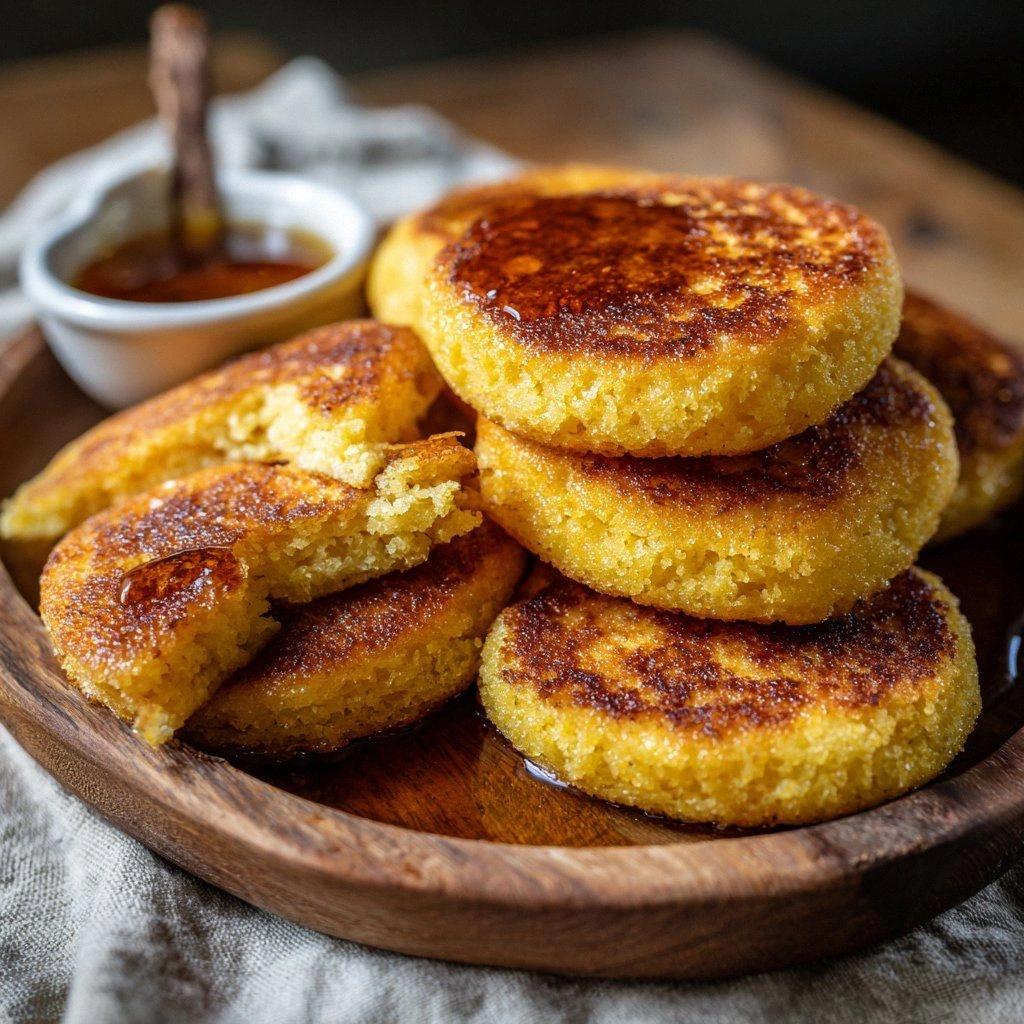
Imagine the first bite: a crackling, golden shell that gives way to a tender, buttery interior that oozes with corn sweetness. The aroma is a warm, toasted butter scent, tinged with a subtle smokiness from the paprika and a faint hint of cheddar melting. The sound of the first sizzle in the pan is a comforting whisper that promises something special. The texture is a delightful contrast—crispy edges that shatter like thin ice, while the center remains soft and moist, almost like a fluffy cloud. The flavor is layered: the natural sweetness of corn, the savory depth of cheese, and a whisper of spice that lingers on the palate.
This version is hands down the best iteration you'll ever make at home, and I dare you to taste this and not go back for seconds. It differs from traditional cornbread by embracing a frying technique that locks in moisture while creating an irresistible crunch. The secret is a balance of wet and dry that keeps the batter silky, plus a strategic resting period that allows the batter to set before the heat hits. Most recipes get this completely wrong, either overmixing and ending up rubbery or undercooking and leaving a soggy center. Here, the batter is just thick enough to hold its shape but thin enough to spread evenly, creating uniform, golden pockets. The result? A cornbread that feels like a crispy cookie but tastes like comfort food.
One of the techniques that sets this recipe apart is the use of melted butter in the batter, which adds richness and helps form that coveted golden crust. Another twist is the subtle inclusion of smoked paprika, which gives the bread a whisper of heat that balances the sweetness without overpowering it. I also discovered that letting the batter rest for a few minutes before frying allows the cornmeal to hydrate, reducing the risk of a gritty texture. And the final flourish? A quick drizzle of honey or a sprinkle of fresh chives right before serving, adding a burst of freshness that cuts through the buttery richness. This combination of flavors and textures makes every bite a revelation.
Let me walk you through every single step—by the end, you'll wonder how you ever made it any other way. I’ll share the exact measurements, the precise timing, and the sensory checkpoints that will guide you from batter to plate. I’ll also reveal the little hacks that save time and prevent common mishaps. And trust me, the payoff is worth every minute you spend in the kitchen. So grab your apron and let’s dive into this crispy, golden adventure.
What Makes This Version Stand Out
- Taste: This cornbread delivers a sweet‑savory profile that feels like a hug in every bite.
- Texture: The exterior is a crackling, buttery crisp that gives way to a tender, almost custard‑like interior.
- Simplicity: All you need is pantry staples—no fancy ingredients or obscure tools.
- Crowd‑pleaser: Friends and family will rave, and you’ll find yourself in a position to brag.
- Make‑ahead: The batter can be prepared a day ahead and frozen, then fried fresh whenever you want.
- Flavor Depth: A splash of smoked paprika and a pinch of cheddar elevate the corn to a new level.
Inside the Ingredient List
The Flavor Base
All-purpose flour and yellow cornmeal form the backbone of this cornbread, providing structure and that classic corn flavor. The flour absorbs moisture and creates a tender crumb, while the cornmeal adds a subtle nuttiness and a hint of sweetness. Sugar is included to balance the savory elements and to promote caramelization on the surface. Baking powder is the leavening agent that gives the batter lift without making it too airy. Salt enhances every flavor, drawing out the natural sweetness of the corn and the richness of the butter. Milk is the liquid that brings all the dry ingredients together, creating a batter that is thick enough to hold shape yet pourable enough to spread.
The Texture Crew
Melted butter is the secret to that buttery, golden crust; it also helps keep the interior moist and adds depth. Eggs act as binders, holding the batter together while contributing protein for a light, airy bite. Corn kernels add a juicy burst of corn each bite and a satisfying crunch that contrasts with the smoothness of the batter. Together, these ingredients create a batter that is silky, cohesive, and ready for the heat. If you prefer a dairy-free version, you can substitute the milk with a plant-based alternative, but keep the butter for that essential flavor. The combination of wet and dry ingredients is carefully balanced to avoid a soggy or overly dry result.
The Unexpected Star
Shredded cheddar cheese brings a savory richness that pairs beautifully with the sweet corn. Its meltiness adds a creamy layer that melts into the batter, creating pockets of gooey delight. Fresh chives offer a bright, oniony note that cuts through the buttery sweetness. Smoked paprika is the unexpected star that gives the cornbread a subtle smoky heat, adding complexity without overpowering. This trio of flavors turns an ordinary cornbread into a dish that feels both comforting and adventurous. If you’re a spice lover, a pinch of cayenne can be added for an extra kick.
The Final Flourish
A drizzle of honey or a sprinkle of fresh herbs right before serving adds a burst of freshness that cuts through the richness. This final touch elevates the dish, making it feel polished and restaurant‑ready. The honey also adds a caramelized sweetness that pairs wonderfully with the cheese. Fresh herbs, like parsley or cilantro, bring a bright, green contrast that balances the warm tones of the cornbread. These finishing touches are optional but recommended for that extra layer of flavor. They also give the dish a visually appealing presentation that is sure to impress guests.
The Method — Step by Step
- Heat a large, heavy‑bottomed skillet over medium heat and add enough oil to coat the bottom about 1/4 inch. The oil should shimmer but not smoke. A deep‑dish skillet distributes heat evenly, preventing hot spots that can burn the edges. This first step is crucial for a uniform crust; keep an eye on the temperature. When the oil is hot, a few droplets should sizzle immediately.
- In a large bowl, whisk together the flour, cornmeal, sugar, baking powder, and salt until fully combined. The dry mix should look light and airy, with no clumps. A fine sieve can help ensure an even distribution of leavening. This step may feel mundane, but it sets the foundation for a consistent batter.
- In a separate bowl, beat the eggs, milk, melted butter, and smoked paprika until the mixture is smooth. The butter should be fully melted; if it’s too cold, it will separate. This wet blend will later mingle with the dry ingredients to create a silky batter.
- Pour the wet mixture into the dry mix and stir gently with a wooden spoon until just combined. It’s okay if the batter is a little lumpy; overmixing will toughen the finished product. Let the batter rest for five minutes—this allows the cornmeal to absorb liquid and the gluten to relax. During this pause, the batter will thicken slightly, making it easier to spread.
- Once the oil is shimmering, spoon about 1/4 cup of batter onto the skillet and tilt the pan to spread it into a thin circle. This is the trickiest part; if the batter is too thick, it will drip and cause splatter. Keep the heat steady, and let the edges set before flipping. The first side should be a deep golden hue, and the edges will lift slightly from the pan.
- Cook the first side for 4–5 minutes until the crust is crisp and the underside shows a beautiful brown crust. The batter should feel firm to the touch, not wobbly. Flip carefully with a thin spatula and cook the other side for another 3–4 minutes. A quick taste check will confirm it’s golden all around.
- While the second side cooks, sprinkle shredded cheddar over the top. The cheese will melt into the batter, creating pockets of gooey delight. Once the cheese is bubbly, remove the cornbread from the skillet and let it rest on a wire rack for a minute. This resting period allows the heat to distribute evenly, preventing a soggy bottom.
- Slice the cornbread into wedges while it’s still hot. The crust will stay crisp, and the interior will remain moist. Serve immediately with a drizzle of honey or a sprinkle of fresh chives for that final flourish. The aroma will fill the kitchen, making everyone want a second bite.
- If you have leftovers, store them in an airtight container at room temperature for up to two days. Reheat in a skillet over low heat for a few minutes to restore crispness. The key is to avoid the microwave, which will make the crust soggy.
That’s it—you did it. But hold on, I’ve got a few more tricks that’ll take this to another level. The next section will reveal insider tips that will help you master the perfect crispy edge every time. Keep reading, and let’s make this dish even more unforgettable.
Insider Tricks for Flawless Results
The Temperature Rule Nobody Follows
Many cooks think “high heat equals crispness,” but the real trick is maintaining a steady medium heat. Too hot, and the outside will burn before the inside cooks; too low, and the batter will spread too thin, losing that coveted crunch. I always preheat the skillet for at least five minutes and test with a single drop of batter; if it sizzles and rises, the temperature is just right. Keeping a thermometer handy can help you stay in the sweet spot. This rule saves you from unevenly cooked cornbread and ensures every bite is golden.
Why Your Nose Knows Best
The aroma of frying batter is a reliable indicator of doneness. When the scent turns from buttery to toasted, you know the crust is forming. A subtle, sweet smell means the sugar is caramelizing, while a faint, metallic note indicates the oil is too hot. Trust your nose to tell you when it’s time to flip. It’s a simple, intuitive way to avoid overcooking.
The 5-Minute Rest That Changes Everything
Letting the batter rest for five minutes before cooking is more than a suggestion—it’s essential. During this pause, the cornmeal hydrates fully, which eliminates that gritty texture some people encounter. The gluten relaxes, so the batter spreads evenly without tearing. A friend once skipped this step and the cornbread turned out rubbery; the rest is a game changer.
The Right Pan
A heavy‑bottomed skillet, like cast iron or stainless steel, distributes heat evenly and prevents hot spots. If you use a non‑stick pan, make sure it’s truly high‑heat rated; otherwise, the batter may stick. A skillet with a lid can also help trap steam, keeping the interior moist. The right pan is the foundation of a perfect crispy cornbread.
The Final Touch
Right before serving, a quick drizzle of honey or a sprinkle of fresh chives adds a pop of flavor and visual appeal. These finishing touches can transform a simple cornbread into a show‑stopper. They also add a burst of freshness that balances the buttery richness. Try a squeeze of lime for a citrus twist. Experiment and find what feels right for you.
Creative Twists and Variations
Spicy Jalapeño Cornbread
Add finely chopped jalapeño to the batter for a subtle kick that pairs well with a creamy avocado dip. The heat balances the sweetness, giving each bite a layered flavor profile. Guests who love spicy foods will love this version, and it’s a great way to spice up a Sunday brunch.
Cheesy Jalapeño Cornbread
Combine shredded cheddar with a handful of pepper jack for a melty, smoky finish. The cheese melts into pockets of gooey delight, while the jalapeño adds a gentle heat. This version is perfect for a late‑night snack or a hearty side for chili.
Sweet Honey Cornbread
Replace the sugar with honey and drizzle extra honey on top after frying. The natural sweetness enhances the corn flavor, and the honey glaze gives the crust a glossy finish. Serve with a dollop of mascarpone for a decadent treat.
Savory Herb Cornbread
Fold in chopped rosemary, thyme, or sage for an aromatic herbaceous note. The herbs complement the cheddar, creating a savory profile that works well with roasted vegetables or a hearty stew. This version is a great addition to any dinner table.
Breakfast Cornbread with Bacon
Fold crumbled, cooked bacon into the batter for a smoky, meaty twist. The bacon fat adds flavor and richness, making this cornbread a breakfast favorite. Serve it with a side of scrambled eggs for a complete meal.
Storing and Bringing It Back to Life
Fridge Storage
Cool the fried cornbread completely before placing it in an airtight container. Store in the refrigerator for up to three days. The crust may soften slightly, but it stays flavorful and moist. When you’re ready to eat, reheat in a skillet over low heat for a couple of minutes to restore crispness.
Freezer Friendly
Wrap each cornbread individually in parchment paper, then place them in a freezer bag. They can be frozen for up to two weeks. To reheat, thaw at room temperature for 15 minutes, then warm in a skillet or oven at 350°F for 10 minutes. The texture remains close to fresh, making this a convenient make‑ahead option.
Best Reheating Method
The secret to reheating is a quick pan‑fry over medium heat. Add a splash of water to the pan, cover, and let the steam soften the interior while the surface stays crispy. A 2‑minute reheating time is sufficient to revive the cornbread’s crunch. Avoid the microwave, which will make it soggy and rubbery.