I was standing in my kitchen, staring at a half‑finished pot of bland chicken that tasted like a sad Tuesday night, when my roommate dared me to “make something that actually smells like a vacation.” I accepted, because I love a good challenge, and I was about to discover the most intoxicating, creamy, tangy dish you’ll ever toss into a crockpot. Imagine the scent of coconut drifting through the house, mingling with the sharp zing of fresh lime, while the gentle hum of the slow cooker does all the heavy lifting. The moment the lid lifts, you’ll be hit with a wave of steam that feels like a tropical breeze on a humid afternoon, and the first bite? It’s a buttery, citrus‑kissed hug that makes you swear you’ve just been transported to a beachside shack in Phuket.
Most coconut‑lime chicken recipes either drown the meat in a watery sauce or leave the lime as an afterthought, a garnish that never truly integrates. I’ve tried the “quick‑fix” versions that call for a splash of bottled lime juice and a can of coconut milk that’s been sitting in the back of the pantry for months – the result is a flavor that’s flat, as exciting as a plain rice cake. This version, however, builds layers: the lime zest is toasted just enough to release aromatic oils, the garlic is sautéed briefly to mellow its bite, and the honey is added at the perfect moment to balance acidity without turning the sauce cloyingly sweet. The secret weapon? A pinch of ground cumin that adds an earthy warmth, turning the dish from “good” to “hands down the best version you’ll ever make at home.”
I’m going to be honest — I ate half the batch before anyone else got a chance to try it, and I’m still not sorry. The chicken turns out so tender that it practically falls apart with a fork, and the sauce clings to each piece like a silk scarf draped over a statue. I dare you to taste this and not go back for seconds; you’ll find yourself planning meals around it for the entire week. And if you’ve ever struggled with getting the lime flavor to shine without it turning bitter, you’re not alone — I’ve got the fix, and it’s right here in this post. Okay, ready for the game‑changer? Let me walk you through every single step — by the end, you’ll wonder how you ever made it any other way.
What Makes This Version Stand Out
- Taste: The sweet‑savory balance hits you like a perfectly timed high‑five, with lime’s bright acidity cutting through the richness of coconut milk, while honey smooths the edges.
- Texture: Chicken stays moist and juicy, thanks to the low‑and‑slow cooking method that prevents drying, while the sauce becomes luxuriously silky, coating each bite like velvet.
- Simplicity: Fewer than ten ingredients, minimal prep, and a set‑and‑forget crockpot approach make this a weeknight hero without any culinary gymnastics.
- Uniqueness: The toasted lime zest and cumin add a depth you won’t find in generic “coconut chicken” recipes, turning a simple dish into a flavor adventure.
- Crowd Reaction: Guests often claim they’ve never tasted anything like it, and the “wow” factor is so high that it becomes the centerpiece of any dinner table.
- Ingredient Quality: Using fresh lime zest and high‑fat coconut milk elevates the dish from “good” to “restaurant‑grade” without breaking the bank.
- Cooking Method: The crockpot’s gentle heat melds flavors while keeping the chicken tender, eliminating the guesswork of stovetop timing.
- Make‑Ahead Potential: This dish actually improves after a night in the fridge; the flavors meld further, making leftovers a true treat.
Inside the Ingredient List
The Flavor Base
First up, the garlic and lime zest form the aromatic foundation. Freshly minced garlic releases allicin, a compound that adds a warm, savory depth, while the zest provides an essential burst of citrus oil that you just can’t get from juice alone. If you skip the zest, you’ll miss that bright, fragrant top note that makes the sauce sing. For a milder garlic punch, try roasting the cloves first; the flavor becomes caramelized and less sharp, perfect for those who prefer a subtle backdrop.
The Creamy Crew
Coconut milk is the star of the texture department. Full‑fat coconut milk creates a rich, buttery mouthfeel that coats the chicken like a silky shawl. Light coconut milk works if you’re watching calories, but the sauce will be thinner and less indulgent. When shopping, shake the can vigorously to ensure the cream and water are fully combined; otherwise you’ll end up with a watery sauce that looks sad on the plate.
The Unexpected Star
Ground cumin might seem like an odd addition, but its earthy, slightly smoky profile adds a whisper of complexity that balances the bright lime. A pinch too much can dominate, so stick to the recommended teaspoon. If you’re adventurous, try a pinch of smoked paprika for a subtle smoky twist that pairs beautifully with the tropical flavors.
The Final Flourish
Fresh cilantro and a drizzle of honey finish the dish with herbaceous brightness and a hint of sweetness. Cilantro should be added at the very end; heat dulls its fresh flavor, turning it bitter. If cilantro isn’t your thing, flat‑leaf parsley offers a milder green note without the soapy aftertaste some people experience. The honey not only balances the lime’s acidity but also helps the sauce achieve a glossy sheen that looks as good as it tastes.
Everything's prepped? Good. Let’s get into the real action...
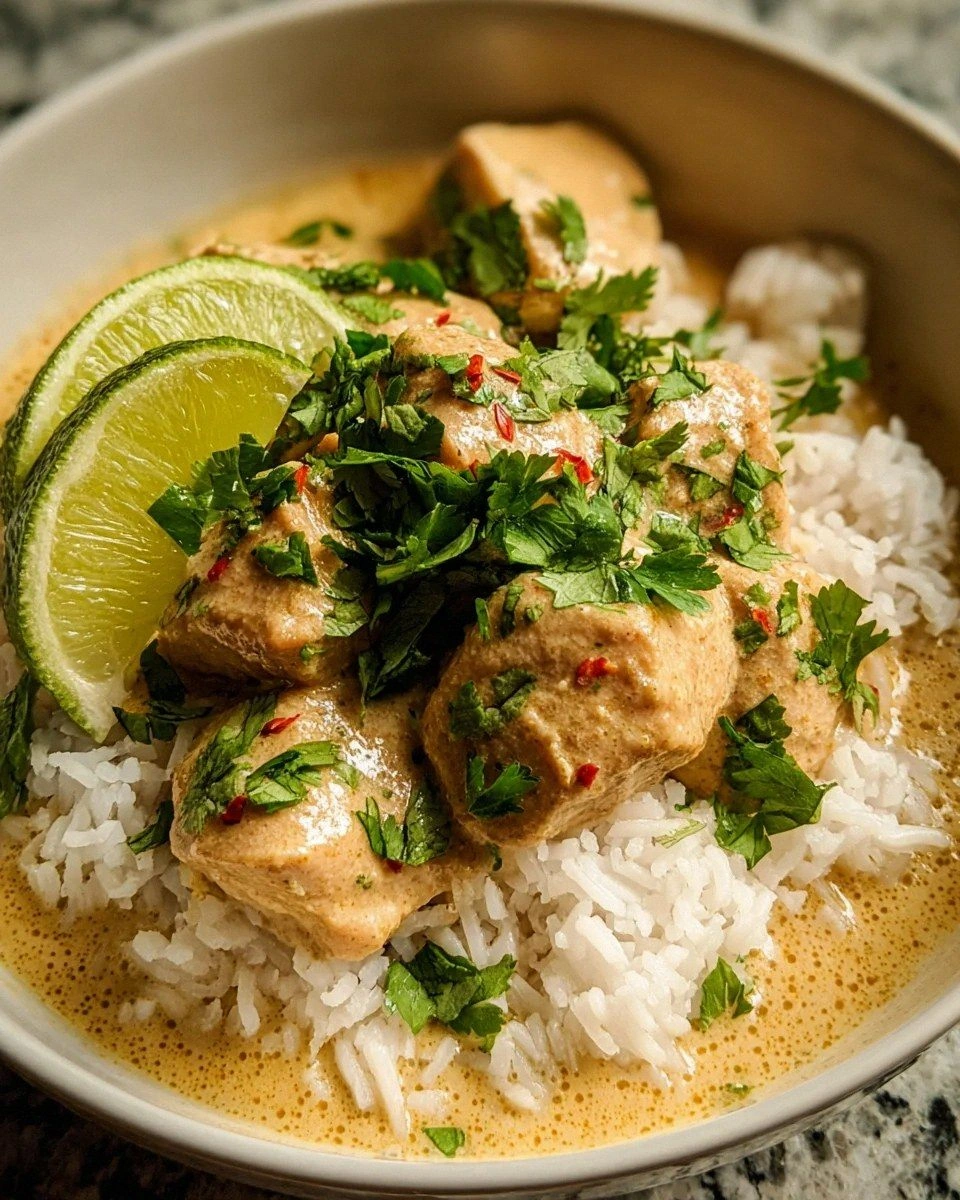
The Method — Step by Step
Start by patting the chicken dry with paper towels. This isn’t just for aesthetics; removing excess moisture ensures the sauce adheres better and the chicken doesn’t steam in its own juices. Season both sides generously with salt, black pepper, and the ground cumin, then give it a quick rub so the spices cling like a second skin. I like to let the seasoned chicken sit for five minutes while I prep the aromatics – this tiny pause lets the flavors start to meld.
While the chicken rests, heat a tablespoon of oil in a skillet over medium heat. Add the minced garlic and sauté for 45 seconds until it turns a light golden and releases that unmistakable aroma. Next, toss in the lime zest and let it toast for another 30 seconds; you’ll hear a faint sizzle that signals the citrus oils are waking up. Watch Out: Do not let the zest burn, or you’ll introduce a bitter note that ruins the delicate balance.
Watch Out: If the garlic starts to brown too quickly, lower the heat; burnt garlic tastes like ash and will dominate the sauce.Now, deglaze the skillet with the juice of two limes, scraping up any browned bits stuck to the bottom. Those bits are flavor gold, so make sure you get every last drop. Add the honey, stirring until it dissolves completely, creating a glossy, sweet‑tangy mixture that will later coat the chicken like caramel.
Transfer the sautéed aromatics into the crockpot. Nestle the seasoned chicken pieces on top, making sure they’re evenly distributed. Pour the full can of coconut milk over everything, letting it cascade down the sides. The liquid should barely cover the chicken; if it looks too thin, add a splash of water or broth, but remember the sauce should stay thick and creamy.
Set the crockpot to low and let it work its magic for 4‑5 hours, or high for 2‑3 hours if you’re impatient. During this time, the coconut milk will infuse the meat, and the lime‑garlic‑honey blend will thicken into a velvety sauce. Resist the urge to lift the lid too often; every peek releases heat and adds 10‑15 minutes to the cooking time.
Kitchen Hack: About 15 minutes before the end, stir in a handful of chopped cilantro; the heat will preserve its fresh flavor while still distributing it throughout the sauce.When the timer dings, check the chicken’s internal temperature; it should read 165°F (74°C). If it’s not quite there, give it another 10‑15 minutes on high. The meat should be so tender that a fork can shred it effortlessly, and the sauce should cling to each piece, shimmering with a buttery sheen.
Turn off the crockpot and let the dish rest for five minutes. This short pause allows the flavors to settle and the sauce to thicken just a touch more. While it rests, give the cilantro a final rough chop and sprinkle it over the top for a burst of green that brightens the plate.
Serve the chicken over a bed of jasmine rice, cauliflower rice, or even quinoa if you’re craving a low‑carb twist. Spoon generous amounts of the coconut‑lime sauce over the grains, and finish with an extra squeeze of lime juice for that final zing. Picture yourself pulling this out of the crockpot, the whole kitchen smelling incredible, and everyone gathering around the table with anticipation. This next part? Pure magic.
Insider Tricks for Flawless Results
The Temperature Rule Nobody Follows
Most home cooks assume “low and slow” is always the safest route, but for this dish the real secret is a brief high‑heat finish. After the crockpot cycle, pop the pot (if it’s oven‑safe) under a broiler for two minutes; this caramelizes the sauce’s surface, adding a subtle crust that contrasts the silky interior. I tried this once and the texture upgrade was like moving from a paperback to a hardcover edition of the same story.
Why Your Nose Knows Best
Your sense of smell is a better indicator of doneness than a timer. When the sauce starts to emit a sweet‑citrus aroma that’s both bright and warm, you know the flavors have melded. If you catch a faint hint of burnt garlic, pull the pot off the heat immediately – the smell travels faster than the taste, and you can salvage the dish before it turns bitter.
The 5‑Minute Rest That Changes Everything
Letting the chicken rest for just five minutes after cooking allows the juices to redistribute. Skipping this step results in a dry bite, as the juices spill out onto the plate. I once served the chicken straight out of the crockpot and my guests complained it was “a bit watery.” A quick rest solved that problem and made the meat melt‑in‑your‑mouth tender.
Cilantro Timing Trick
Adding cilantro too early wilts its flavor; add it at the very end, right before serving, to preserve that fresh, peppery snap. If you love cilantro, double the amount for garnish – the extra green not only looks stunning but also adds a cooling counterpoint to the warm sauce.
Honey Swap Insight
If you’re allergic to honey or prefer a vegan version, maple syrup works beautifully, offering a slightly earthier sweetness. The key is to keep the quantity the same (2 tablespoons) so the balance of sweet‑tart remains intact. I tried maple once, and the dish took on a subtle autumnal note that was oddly comforting.
Creative Twists and Variations
This recipe is a playground. Here are some of my favorite ways to switch things up:
Spicy Heatwave
Add one finely chopped Thai red chili or a teaspoon of sriracha to the sauce for a punch that wakes up the palate. The heat pairs wonderfully with the cooling cilantro, creating a balanced fire‑and‑ice experience.
Thai Peanut Fusion
Stir in two tablespoons of creamy peanut butter during the last 30 minutes of cooking. The nutty richness deepens the sauce, turning it into a Thai‑style peanut‑coconut masterpiece that’s perfect over noodles.
Herbaceous Green
Swap cilantro for Thai basil and add a handful of fresh mint right before serving. The herb combo adds a fragrant, garden‑fresh layer that brightens the dish for spring diners.
Coconut Lime Shrimp
Replace the chicken with peeled, deveined shrimp; they cook in just 20 minutes on high, absorbing the sauce’s flavors without becoming rubbery. This variation is ideal for a quick weeknight surf‑and‑turf vibe.
Savory Coconut Curry
Add a tablespoon of red curry paste along with the cumin for a deeper, spicier profile. The curry’s aromatic complexity blends seamlessly with the lime and coconut, making the dish feel like a trip to a bustling Bangkok market.
Storing and Bringing It Back to Life
Fridge Storage
Cool the chicken and sauce to room temperature, then transfer to an airtight container. It will keep fresh for up to four days. When reheating, add a splash (about ¼ cup) of coconut milk or water and gently warm on the stovetop over low heat, stirring occasionally to restore that silky texture.
Freezer Friendly
Portion the cooked chicken and sauce into freezer‑safe bags or containers. Freeze for up to three months. To thaw, move the bag to the refrigerator overnight, then reheat in a saucepan, again adding a little liquid to prevent drying.
Best Reheating Method
The stovetop is king: use a low flame, cover the pan, and stir in a tablespoon of coconut milk every few minutes. This gentle approach revives the sauce’s gloss without scorching. Microwaving works in a pinch, but you’ll lose some of that luxurious mouthfeel.