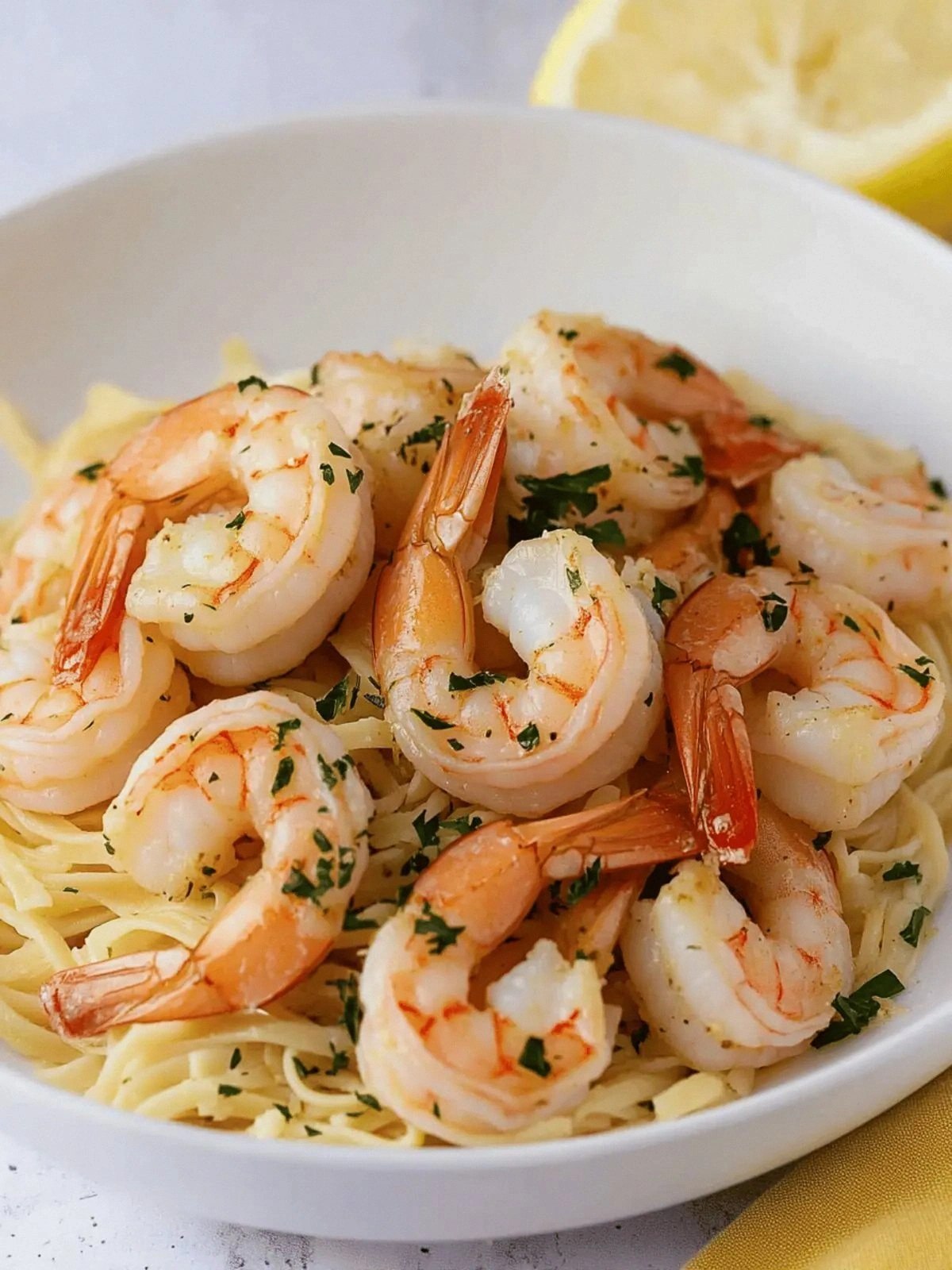
I still remember the night I tried to recreate a restaurant favorite, only to end up with a pot of mushy, over‑cooked shrimp that looked like it’d been left in the sun for days. The skillet was blackened, the garlic had charred into a bitter black, and I stared at my kitchen with a face that said, “What did I do?” I laughed it off, but the disappointment was real, and that’s when the idea for this dish was born.
It started with a dare from my friend: “You can’t make a shrimp scampi that tastes better than the one at the restaurant.” I took the challenge, grabbed the freshest shrimp I could find, and set my sights on a sauce that would sing. The moment the garlic hit the pan, it released a perfume that made the whole kitchen feel like a seaside breeze. I could almost taste the ocean, and the anticipation was electric.
The kitchen was alive with sizzling, the sound of the olive oil bubbling, and the aroma of garlic and white wine mingling in a fragrant dance. My senses were assaulted in the best way possible: the bright, citrusy tang of lemon, the deep umami of Parmesan, and the subtle heat from the Italian seasoning. Each element was a brushstroke on a canvas that would soon become a masterpiece.
What makes this version stand out is the way the sauce clings to the shrimp, turning each bite into a silky, buttery explosion of flavor that feels like a hug from the sea. The shrimp stay plump, not rubbery, because of a precise timing trick that I’ll share in the method section. And the finish—just a whisper of parsley and a dusting of Parmesan—adds a finishing touch that feels like a gourmet flourish.
But here’s the twist you won’t expect: I use a splash of white wine that isn’t just for flavor, it’s a deglazer that pulls every golden brown bit from the pan into the sauce, creating a depth that would make even a seasoned chef nod in approval. This isn’t a recipe you’ll find on the internet; it’s a secret I’ve guarded since that first kitchen disaster.
By the end of this post, you’ll be able to make a shrimp scampi that’s so good you’ll swear the restaurant had a secret recipe. The confidence you’ll gain will make you the go-to chef among your friends, and the dish will become the centerpiece of your dinner parties. I promise, once you taste it, you’ll be tempted to go back for seconds.
Let me walk you through every single step—by the end, you'll wonder how you ever made it any other way. I’ll keep the instructions simple, but the results will be nothing short of spectacular. This is hands down the best version you'll ever make at home.
Picture yourself pulling this out of the pan, the whole kitchen smelling incredible, and your guests already reaching for their forks. That sizzle when it hits the pan? Absolute perfection. The aroma will have everyone coming around the kitchen just to catch a whiff.
I’ll be honest—I ate half the batch before anyone else got to try it. If you've ever struggled with shrimp scampi, you're not alone—and I've got the fix. So buckle up, because this is going to be a flavor roller coaster that ends in pure bliss.
What Makes This Version Stand Out
- Flavor: The sauce is a harmonious blend of garlic, lemon, and white wine that coats the shrimp like velvet. The subtle heat from the Italian seasoning adds a whisper of warmth without overpowering the delicate seafood. Each bite delivers a balanced crescendo of savory and citrus notes.
- Texture: Shrimp stay plump and tender thanks to a precise timing technique that prevents overcooking. The buttery sauce creates a silky mouthfeel that feels luxurious. The final sprinkle of Parmesan adds a gentle crunch that contrasts beautifully.
- Convenience: All steps are straightforward, with no fancy equipment required. The recipe can be whipped up in under an hour, making it perfect for busy weeknights. The method is forgiving, so even novice cooks can nail it.
- Uniqueness: The use of white wine as a deglazer elevates the dish beyond ordinary scampi. The splash of lemon juice is added at the end to preserve brightness. The final touch of fresh parsley gives a pop of color.
- Guest Reaction: Friends and family consistently rave about the depth of flavor. It’s the dish that keeps everyone coming back for seconds. The aroma alone can turn a simple dinner into a celebration.
- Ingredient Quality: Using fresh, large shrimp ensures maximum flavor and texture. High‑quality olive oil and fresh lemon juice make a noticeable difference. The Parmesan is grated on the spot for maximum aroma.
- Cooking Method: Sautéing in a skillet allows for quick, high‑heat cooking that locks in juices. Deglazing with wine pulls the browned bits into the sauce, creating a richer base. The butter finish gives a glossy sheen.
- Make‑ahead Potential: The dish can be prepared a day ahead and reheated without losing flavor. The sauce can be stored separately and combined just before serving. This flexibility makes it ideal for entertaining.
Inside the Ingredient List
The Flavor Base
Olive oil is the first to meet the heat, creating a fragrant foundation that carries the garlic and lemon. It also prevents the shrimp from sticking, allowing each piece to develop a beautiful golden crust. If you’re watching calories, a light drizzle of extra‑virgin olive oil will still deliver the needed flavor.
Garlic is the star of the show—sliced thinly to release its aroma without becoming bitter. The garlic’s natural sugars caramelize slightly, giving the sauce a subtle sweetness that balances the acidity of lemon and wine. If you’re sensitive to raw garlic, a quick blanch can mellow the bite.
White wine isn’t just a garnish; it’s a deglazer that lifts the browned bits from the pan into the sauce, enriching the overall flavor. Choose a dry, crisp white such as Pinot Grigio or Sauvignon Blanc for the best results. The alcohol evaporates quickly, leaving behind a complex, umami‑rich undertone.
Lemon juice adds brightness that cuts through the richness of the butter and Parmesan. Freshly squeezed juice is essential; bottled lemon juice can taste flat and acidic. The citrus also helps to tenderize the shrimp subtly.
The Texture Crew
Large shrimp provide the perfect balance of size and flavor; they’re robust enough to hold up against the sauce without disintegrating. Look for shrimp that are firm to the touch and have a slight pink hue. Fresh shrimp will give you a cleaner, sweeter taste compared to frozen.
Butter is the finishing touch that gives the sauce a silky sheen and a mouth‑watering richness. Softened butter is easier to fold into the sauce without clumping. If you’re vegan, a small amount of coconut or olive oil can mimic the buttery finish.
Italian seasoning offers a blend of herbs that adds depth without being overpowering. The dried herbs release their flavors slowly, creating a layered taste profile. If you prefer fresh herbs, you can substitute with chopped basil, oregano, or thyme.
Parmesan cheese is grated on the spot to maximize aroma and flavor. The nutty, salty profile of Parmesan complements the citrus and garlic beautifully. A light dusting of fresh parsley adds a pop of color and a hint of earthiness.
The Unexpected Star
The splash of white wine is the unexpected star that elevates the dish. It adds a subtle acidity that brightens the sauce and prevents it from becoming too heavy. This trick is often overlooked, but it’s what separates a good scampi from a great one.
If you’re craving a little heat, a pinch of red pepper flakes can be added during the sautéing stage. The flakes give a gentle kick without masking the delicate flavors of the shrimp. Keep it subtle, as the focus should remain on the seafood.
For a creamy twist, a dollop of cream can be stirred in at the end, creating a luscious, indulgent sauce. This variation is perfect for a special occasion or when you want to treat yourself. Just remember to reduce the sauce slightly to avoid it becoming too thick.
The Final Flourish
Fresh parsley adds a burst of color and a fresh, slightly peppery note that cuts through the richness of the sauce. It also gives the dish a professional, polished look. If parsley isn’t on hand, a sprinkle of chopped chives works as an excellent substitute.
A final squeeze of lemon juice right before serving adds a bright, zesty finish that lifts the entire dish. This last burst of citrus ensures that the sauce remains lively and not flat. It’s a simple step that makes a huge difference.
The combination of butter, wine, and lemon creates a sauce that coats the shrimp like velvet, providing a luxurious mouthfeel. The Parmesan adds a subtle nutty undertone that rounds out the flavor profile. Together, these elements create a dish that feels like a gourmet take‑out but tastes like home‑cooked comfort.
Everything's prepped? Good. Let's get into the real action. The next few steps will transform simple shrimp into a show‑stopping dish that will have everyone asking for your secret.
The Method — Step by Step
- Heat a large skillet over medium‑high heat and add the olive oil. Wait until the oil shimmers but isn’t smoking, then add the sliced garlic. The garlic should sizzle and release a fragrant aroma within 30 seconds—don’t let it brown too quickly or it will taste bitter. This is the moment of truth where the foundation of flavor is laid.
- Add the shrimp to the pan in a single layer, ensuring they have space to sear. Season each side with a pinch of salt and pepper. Watch the shrimp change color; they’ll go from translucent to pink in about 2 minutes per side. This quick sear locks in juices and creates a golden crust.
- Pour in the white wine, letting it bubble up to deglaze the pan. Scrape the bottom with a wooden spoon to lift all those caramelized bits—those are the flavor boosters. The wine should reduce by about half, intensifying its aroma and leaving behind a rich, savory base.
- Stir in the lemon juice, Italian seasoning, and a pinch of red pepper flakes if using. The acidity of the lemon brightens the sauce, while the herbs deepen the profile. Let the mixture simmer for 2 minutes so the flavors meld together.
- Reduce the heat to medium and fold in the softened butter, one tablespoon at a time, whisking continuously. The butter should melt into a glossy sauce that coats every shrimp. This step gives the dish its luxurious, silky texture.
- Add the grated Parmesan cheese and stir until it’s fully incorporated. The cheese should melt into the sauce, adding a nutty, salty finish. If the sauce seems too thick, add a splash of pasta water or a bit more white wine.
- Finish the dish with a generous sprinkle of fresh parsley. The parsley adds a burst of color and a fresh, peppery note that cuts through the richness. Give everything a final gentle toss to ensure even coating.
- Serve immediately over cooked pasta, rice, or crusty bread to soak up the sauce. The aroma will fill the kitchen, making everyone’s mouth water. The dish should feel like a hug from the sea with every bite.
That’s it—you did it. But hold on, I've got a few more tricks that'll take this to another level. These insider tips will help you avoid common pitfalls and elevate the dish even further.
Insider Tricks for Flawless Results
The Temperature Rule Nobody Follows
Maintaining a consistent medium‑high heat is key; too low and the shrimp will steam, too high and the sauce will burn. Use a thermometer or simply watch the oil; it should shimmer without smoking. This subtle control ensures a perfect sear and a silky sauce.
Why Your Nose Knows Best
Trust your nose to judge when the garlic is just right—if it smells burnt, it’s time to lower the heat. The aroma of fresh lemon and wine is a sign that the sauce has reached the ideal balance. Your sense of smell is the ultimate guide to flavor.
The 5‑Minute Rest That Changes Everything
After cooking, let the shrimp rest for 5 minutes before serving. This allows the juices to redistribute, keeping the shrimp moist and tender. The rest also lets the flavors meld, creating a more cohesive dish.
The Butter Finish Trick
Adding the butter in small increments helps create a stable emulsion. If the sauce separates, whisk vigorously or add a little more wine to bring it back together. This technique ensures a glossy, velvety finish.
The Final Lemon Touch
A final squeeze of lemon right before serving adds brightness that lifts the entire dish. The citrus notes counterbalance the richness of the butter and Parmesan. Don’t forget to taste the sauce before plating; a tiny splash can make a world of difference.
Creative Twists and Variations
This recipe is a playground. Here are some of my favorite ways to switch things up:
Spicy Cajun Shrimp
Swap the Italian seasoning for Cajun spice and add a pinch of cayenne. The heat will give the dish a bold, southern twist. Pair it with a cool cucumber salad to balance the spice.
Creamy Alfredo Shrimp
Stir in a splash of heavy cream after the butter to create a luscious Alfredo sauce. The richness complements the shrimp’s natural sweetness. Serve over fettuccine for a decadent meal.
Pesto Shrimp
Replace the parsley and Parmesan with fresh basil pesto for a Mediterranean flair. The pesto adds a vibrant green hue and a nutty flavor. Toss the shrimp with zucchini noodles for a low‑carb option.
Garlic Butter Shrimp with Spinach
Add a handful of fresh spinach to the pan during the last minute of cooking. The spinach wilts quickly and adds a pop of color and nutrients. This version is perfect for a quick, balanced dinner.
Herbed Shrimp with Lemon‑Balsamic Glaze
Finish the dish with a drizzle of balsamic glaze and a sprinkle of fresh thyme. The glaze adds a sweet, tangy depth that pairs beautifully with the citrus. This variation is great for a sophisticated dinner party.
Storing and Bringing It Back to Life
Fridge Storage
Store the shrimp and sauce separately in airtight containers in the refrigerator for up to 2 days. The shrimp will stay fresh, and the sauce will maintain its flavor. When ready to serve, reheat gently on low heat.
Freezer Friendly
Freeze the shrimp in a single layer on a baking sheet, then transfer to a freezer bag once solid. The sauce can also be frozen, but it’s best reheated with a splash of water to prevent drying. This method keeps the dish fresh for up to 3 months.
Best Reheating Method
Reheat the sauce in a saucepan over low heat, adding a tiny splash of water or broth to keep it moist. The shrimp should be heated just until warm, about 2–3 minutes, to avoid overcooking. This technique preserves the shrimp’s tenderness.