I was staring at a burnt skillet, the remnants of last night’s over‑seasoned turkey stew, when a sudden craving hit me like a lightning bolt. I wanted something that felt like comfort food, but with a twist that would make my taste buds dance. That moment sparked the creation of this Easy Turkey Tomato Pasta Skill—a dish that marries the heartiness of ground turkey with the bright, tangy punch of tomatoes, all simmered in one pan for maximum flavor and minimal cleanup. The aroma that fills the kitchen as the garlic sizzles is unmistakable: a warm, earthy perfume that whispers promises of a meal that will be remembered. If you’ve ever settled for bland pasta or over‑cooked ground meat, this is the antidote you’ve been waiting for.
Picture this: a golden skillet, a swirl of olive oil, and the rhythmic crackle of garlic as it hits hot oil. The tomato paste begins to caramelize, its deep, almost chocolatey scent mingling with the faint sweetness of diced tomatoes. The pasta is added, coated in that velvety sauce, and the broth starts to bubble, infusing every strand with savory depth. The final flourish of Parmesan and basil turns the dish into a glossy, fragrant masterpiece that looks as good as it tastes. The result is a single‑pan dinner that feels like a gourmet meal, yet takes less than a half‑hour to prepare.
What makes this version stand out is not just the ingredients, but the method. The ground turkey is browned to a perfect golden crisp, giving it a texture that’s both chewy and tender. The sauce thickens into a rich, tomato‑based emulsion that clings to the pasta like velvet. The use of chicken broth adds a subtle umami layer that elevates the dish beyond the usual canned‑tomato base. Fresh basil and a pinch of red pepper flakes finish it off, offering a bright, herbaceous contrast to the savory meat. It’s a dish that feels indulgent without being heavy, and it’s surprisingly forgiving for cooks at any skill level.
I dare you to taste this and not go back for seconds. If you’ve ever struggled with bland pasta or over‑cooked turkey, you’re not alone—and I’ve got the fix. Most recipes get this completely wrong by over‑seasoning or under‑cooking the pasta; here, the timing is precise, ensuring every bite is perfectly al dente and fully coated. Picture yourself pulling this out of the skillet, the whole kitchen smelling incredible, and watching the steam rise like a fragrant cloud. And now, let’s walk through each step so that by the end, you’ll wonder how you ever made it any other way.
What Makes This Version Stand Out
- Flavor: The combination of tomato paste and diced tomatoes creates a deep, complex base that is far richer than standard tomato sauces.
- Texture: The turkey is browned to a caramelized finish, giving it a slightly crispy edge that contrasts with the tender pasta.
- Simplicity: All ingredients are cooked in one skillet, reducing cleanup and cutting prep time dramatically.
- Uniqueness: The addition of chicken broth and Parmesan turns a simple pasta into a sauce‑laden, comforting bowl.
- Crowd Reaction: Friends and family rave about the bold flavors and the “one‑pan” convenience, making it a go‑to dinner for gatherings.
- Ingredient Quality: Using fresh basil and high‑quality Parmesan elevates the dish from ordinary to extraordinary.
- Cooking Method: The step‑by‑step approach ensures the turkey doesn’t dry out and the pasta absorbs the sauce evenly.
- Make‑Ahead Potential: The dish keeps well in the fridge and can be reheated without losing flavor or texture.
Inside the Ingredient List
The Flavor Base
The foundation of this dish is a blend of aromatics and tomatoes that set the stage for every bite. Ground turkey, when browned, releases a savory richness that’s amplified by the olive oil, which also helps carry the flavors of garlic and Italian seasoning. The garlic, minced to the right size, should sizzle for just a minute or two before it turns golden, releasing a sweet, nutty aroma that lingers. If you skip the garlic, the sauce will feel flat and missing that essential depth; it’s the first note in the flavor symphony.
Tomato paste is the secret to a thick, luscious sauce. It’s concentrated, so a small amount goes a long way. Stirring it into the garlic and oil until it darkens slightly caramelizes the sugars, adding a subtle sweetness that balances the acidity of the diced tomatoes. If you forget the paste, the sauce will be watery and thin, and the pasta will not coat as beautifully. For those who prefer a smoky undertone, a pinch of smoked paprika can be added at this stage.
Diced tomatoes bring freshness and acidity, cutting through the richness of the meat and the depth of the paste. A 14.5‑ounce can is standard, but you can use fresh tomatoes in season for an even brighter flavor. The tomatoes should be added after the paste has cooked for a minute, allowing the flavors to meld. If you use canned tomatoes, drain a little of the juice to avoid a soupy sauce.
The Texture Crew
Pasta is the canvas that absorbs the sauce’s flavors. Using 8 ounces of penne or rotini gives a hearty bite and a pleasing chew. Cook the pasta al dente; it will continue to absorb liquid in the skillet, so it should be slightly firm before you add the broth. If you overcook the pasta, it will become mushy when the sauce thickens.
Chicken broth is the liquid that brings everything together. It hydrates the pasta, loosens the sauce, and adds a savory depth that canned water can’t match. Using a low‑sodium broth keeps the seasoning balanced, allowing the Italian seasoning and red pepper flakes to shine. If you’re short on broth, you can substitute a splash of water or even a bit of wine for a different flavor profile.
The Unexpected Star
Parmesan cheese is the finishing touch that adds umami, saltiness, and a creamy texture. Adding it at the end of cooking allows it to melt into the sauce, creating a glossy finish. If you prefer a sharper flavor, try a mix of Parmesan and Pecorino Romano. Remember to taste before adding more, as the cheese can quickly dominate the dish.
Fresh basil or parsley provides a burst of green, brightening the dish both visually and flavor-wise. Chop it finely so it disperses evenly; it should be added after the pasta is cooked to preserve its bright flavor. A pinch of red pepper flakes adds a gentle heat that contrasts the sweetness of the tomatoes. Together, these ingredients elevate the dish from simple to sensational.
Everything’s prepped? Good. Let’s get into the real action.
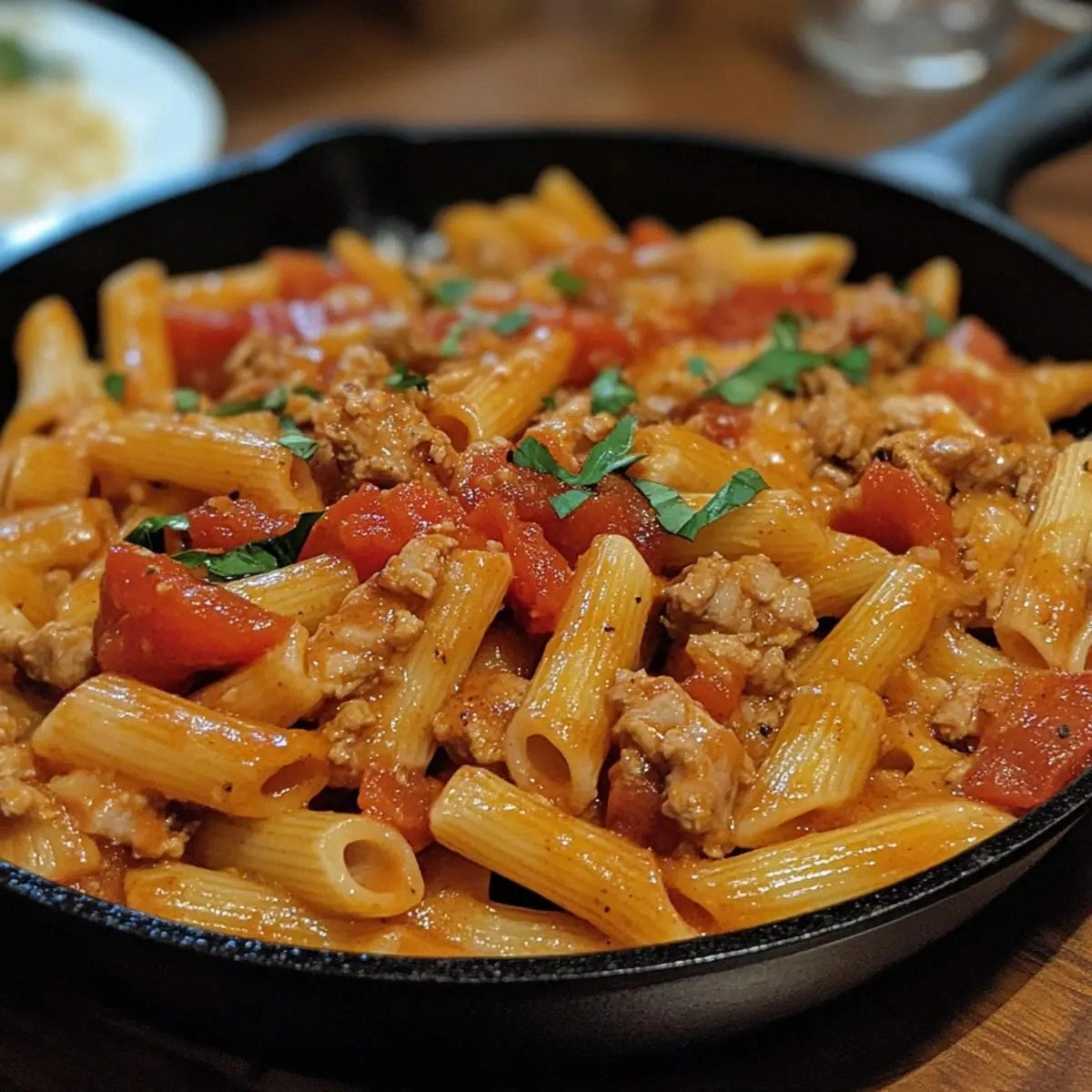
The Method — Step by Step
- Heat a large, heavy‑bottom skillet over medium heat. Add the tablespoon of olive oil, letting it shimmer. The oil should be hot but not smoking—just ready to sizzle. This step is crucial for a flavorful base, because a hot skillet prevents the turkey from steaming.
- Add the ground turkey in a single layer, breaking it up with a wooden spoon. Let it sit undisturbed for 2–3 minutes so it develops a golden crust. Stir once it’s browned, then continue cooking until fully cooked and no longer pink. The turkey’s caramelized exterior will carry the savory notes into the sauce.
- Add the minced garlic, Italian seasoning, salt, and pepper to the skillet. Stir constantly for 30 seconds until the garlic releases its aroma. Be careful not to burn the garlic; if it starts to brown too quickly, lower the heat. This is where the sauce starts to build its base.
- Stir in the tomato paste, allowing it to cook for 1–2 minutes until it darkens slightly. The paste should look almost black, indicating the sugars have caramelized. This step adds depth and reduces the acidity of the tomatoes.
- Pour in the diced tomatoes with their juice, breaking them up with a spoon. Let the mixture come to a gentle simmer. The sauce should thicken slightly and develop a glossy sheen. Watch for the edges to start pulling away from the skillet—this is the sign that the sauce is ready.
- Add the pasta to the skillet, stirring to coat each piece in the sauce. Pour in the chicken broth, just enough to cover the pasta. Bring the mixture back to a simmer, then reduce the heat to low. Cover the skillet with a lid to trap steam, allowing the pasta to cook through.
- Cook, stirring occasionally, until the pasta is al dente and the sauce has thickened to your liking, about 10–12 minutes. Taste and adjust seasoning if needed—add a pinch more salt or pepper. The sauce should cling to each strand, forming a velvety coating.
- Stir in the grated Parmesan, basil, and red pepper flakes. The cheese melts into the sauce, creating a glossy finish. Let it sit for 1 minute to allow the flavors to meld. Serve immediately, garnished with extra basil or a drizzle of olive oil if desired.
That’s it—you did it. But hold on, I’ve got a few more tricks that will take this to another level. These insider tips will ensure every bite is flawless and every time you cook, you’ll feel like a culinary wizard.
Insider Tricks for Flawless Results
The Temperature Rule Nobody Follows
Cooking the turkey at the right heat is critical. Start with medium heat to develop a golden crust, then lower the heat once the meat is browned. If you keep the heat too high, the turkey will dry out before the sauce thickens. A quick test is to sprinkle a few drops of water on the pan—if they sizzle and evaporate instantly, the heat is perfect.
Why Your Nose Knows Best
Your sense of smell is the ultimate guide to flavor balance. When the sauce begins to thicken, inhale deeply; a slight sweet aroma indicates caramelization, while a sharp scent suggests acidity. Trust your nose to tell you when to add more salt or a touch of sugar. A well‑balanced sauce will be aromatic without being overpowering.
The 5‑Minute Rest That Changes Everything
After you finish cooking, let the skillet sit covered for five minutes before serving. This resting period allows the flavors to meld and the pasta to finish absorbing liquid. The sauce will thicken slightly, creating a richer mouthfeel. It also gives the Parmesan time to fully melt into the sauce.
The Secret of Fresh Herbs
Fresh basil and parsley should be added at the very end to preserve their bright flavor. If you add them too early, the heat will wilt them, turning them into a bitter green. Chop them finely and sprinkle them over the dish just before serving. A fresh herb garnish not only adds color but also a burst of freshness that lifts the entire dish.
The One‑Pan Wonder
Using a single skillet eliminates the need for multiple pots, which saves time and reduces cleanup. Make sure your skillet is large enough to hold the pasta, sauce, and meat without crowding. A crowded pan can cause uneven cooking and a soggy texture. If you’re short on space, consider a wide, shallow pan.
The Finish with Fat
A drizzle of high‑quality olive oil right before serving adds a silky finish and a subtle fruity note. This final touch can turn a good dish into a great one. It also helps the sauce cling to the pasta, creating a luxurious mouthfeel. Just a teaspoon or two is enough to make a noticeable difference.
Creative Twists and Variations
This recipe is a playground. Here are some of my favorite ways to switch things up:
Spicy Cajun Kick
Swap the Italian seasoning for a Cajun spice blend and add a splash of hot sauce. The result is a fiery version that pairs well with a side of cornbread. The heat from the pepper flakes is amplified, giving the dish a bold, smoky flavor.
Mediterranean Medley
Replace the diced tomatoes with sun‑dried tomatoes and add kalamata olives. The olives introduce brininess, while the sun‑dried tomatoes add sweetness. Finish with a sprinkle of feta for a creamy contrast.
Vegetarian Version
Omit the turkey and add a cup of sautéed mushrooms and zucchini. The vegetables provide texture and depth. The sauce will be lighter but still rich, making it a hearty vegetarian main.
Cheesy Baked Finale
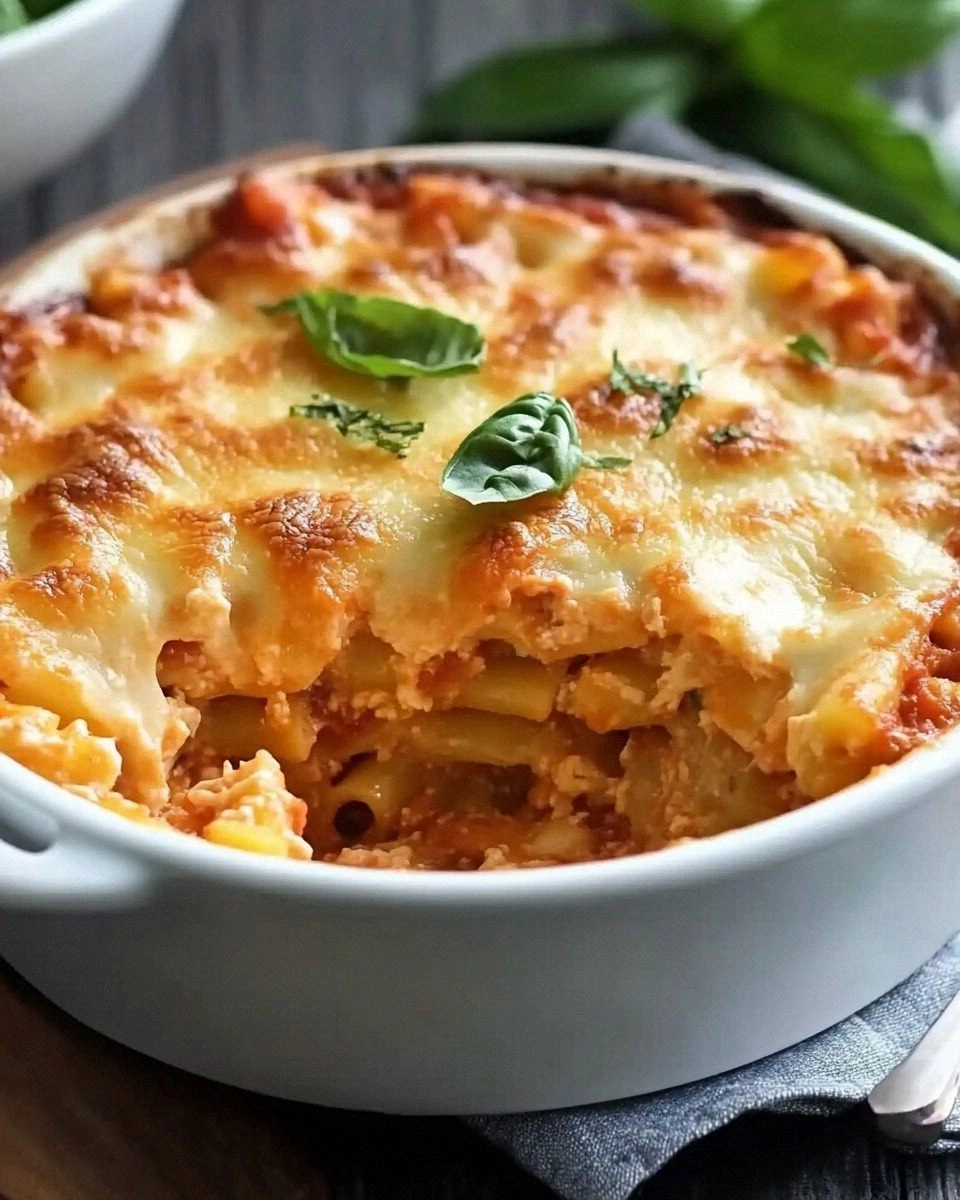
Transfer the skillet to a preheated oven at 375°F (190°C) for 10 minutes, adding a handful of mozzarella on top. The cheese melts into a golden crust, creating a comforting baked pasta. Serve with a side salad for a complete meal.
Low‑Carb Twist
Swap the penne for spiralized zucchini or shirataki noodles. The dish becomes a low‑carb, keto‑friendly option. The noodles absorb the sauce beautifully, keeping the dish flavorful.
Sunday Roast Companion
Use the sauce as a base for a turkey roast, spooning it over the bird before baking. The sauce will keep the turkey moist and add a tomato‑herb flavor. This is a great way to repurpose leftovers.
Storing and Bringing It Back to Life
Fridge Storage
Cool the dish to room temperature, then transfer it to an airtight container. Store it in the refrigerator for up to 3 days. The sauce will thicken slightly as it cools, but it will remain flavorful.
Freezer Friendly
Pack the pasta and sauce separately in freezer‑safe bags. Freeze for up to 2 months. When ready to eat, thaw overnight in the refrigerator and reheat gently.
Best Reheating Method
Reheat in a skillet over low heat, adding a splash of water or broth to loosen the sauce. Stir until heated through and the sauce is silky. A quick splash of water before reheating steams the dish back to its original moisture level.