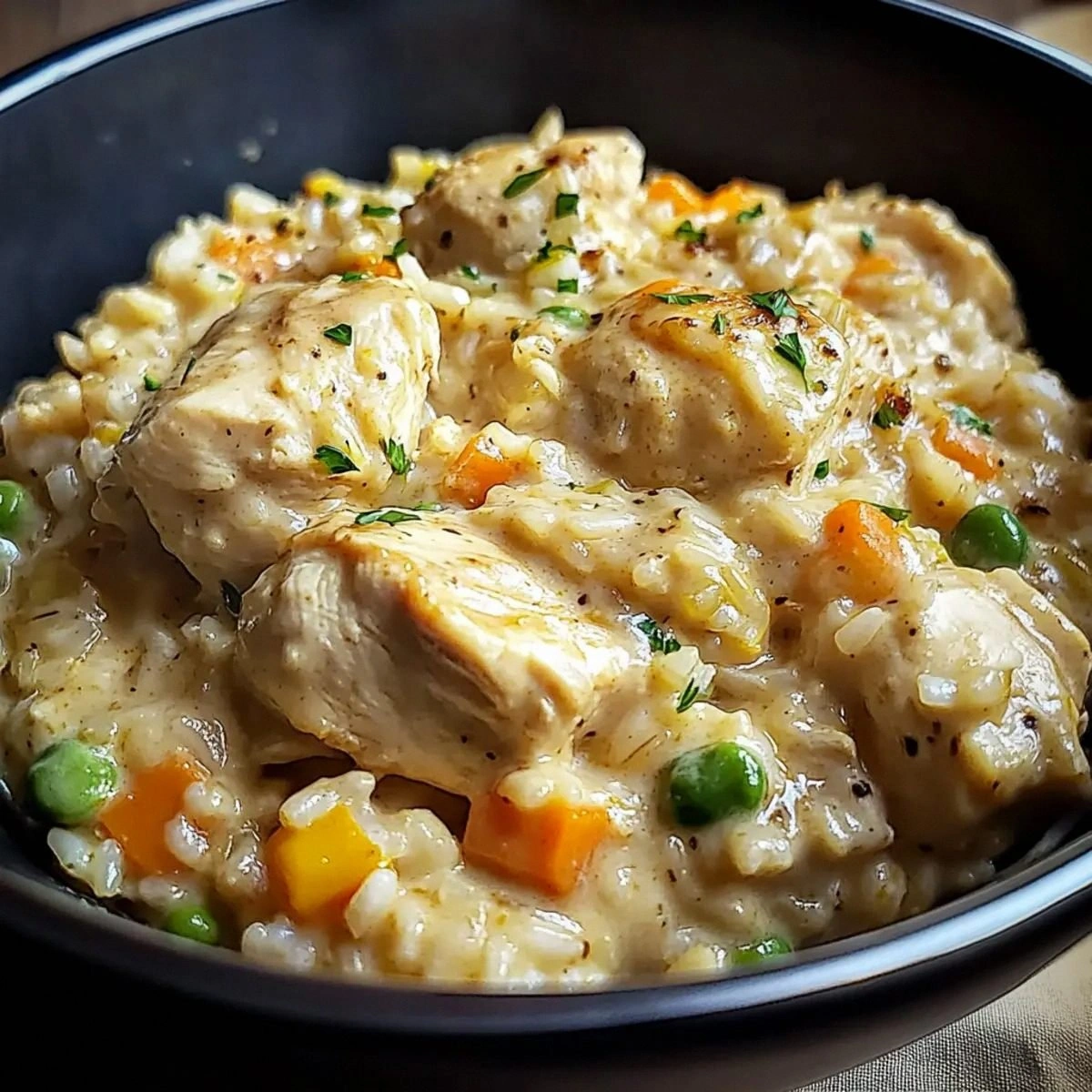
Picture this: it is a Tuesday night, you are still wearing your work badge, the fridge light is glaring like a tiny interrogation lamp, and the only thing standing between you and a bowl of pure comfort is a pile of onions that have been giving you side-eye all week. I have been there, friend, and that is exactly how this French Onion Pasta Creamy Onepot was born—out of stubborn hunger, a half-empty pantry, and the reckless conviction that caramelized onions plus carbs could solve most of life’s problems. Ten minutes in, my apartment smelled like a Paris bistro someone had tucked into a ski lodge: butter sizzling, onions sighing, the faint whiff of nutty Gruyère starting to melt. I honestly did not expect much beyond “edible,” yet one twirl of pasta later I was muttering “no way” louder than the neighbor’s TV. The sauce coats each noodle like velvet, the onions collapse into jammy ribbons, and the whole thing collapses into you—warm, rich, and so deeply savory that you will find yourself standing at the stove picking stray cheesy strands straight from the pot.
Most recipes try to mimic French onion soup by dumping canned stock and a sad slice of supermarket bread into a bowl and calling it homage. That is not what we are doing here. We are building layers—real caramelization, real dairy, real cheese pulls that stretch longer than your last Zoom meeting—then capturing them in one single vessel so you do not need to babysit a skillet while a pot boils over like it is auditioning for a disaster movie. You will taste the onions first, because they are the divas of this performance, but they will be backed up by umami bombs like Worcestershire and soy that make your tongue do a double-take. Between the evaporated milk and the cornstarch slurry, the sauce thickens into silk without the splatter of heavy cream or the risk of a floury roux. It is week-night-easy, date-night-impressive, and leftover-lunch-enviable, all stamped into one glossy, carbohydrate-forward hug.
Confession time: I ate half the batch before anyone else got to try it. I told myself I was “quality-controlling,” but we both know I was just chasing that moment when the cheese melts into stretchy threads that wrap around the spoon like fairy lights. If you have ever struggled with gluey stove-top mac or watery skillet pasta—oh, I feel that pain—this recipe is the fix you have been Googling at midnight. No draining, no extra pans, no limp onions floating in a thin, forgettable broth. Just one pot, a handful of humble ingredients, and a method that feels like kitchen wizardry but is actually beginner-proof. Stay with me here—this is worth it.
Ready for the game-changer? We are going to caramelize the onions right in the same pot where the pasta cooks, scraping up every mahogany speck of flavor so nothing gets left behind like forgotten resolutions. By the time you stir in the cornstarch-thickened milk, the starch from the pasta water has already started working as a liaison, giving you a glossy emulsion that clings instead of sliding off. Picture yourself pulling this out of the oven—yes, we finish it under the broiler for those iconic French-onion bubbles—while the whole kitchen smells like winter in Burgundy. Let me walk you through every single step—by the end, you will wonder how you ever made it any other way.
What Makes This Version Stand Out
Caramelization Station: We spend a full fifteen minutes coaxing the onions past translucent, past golden, into that mahogany sweet spot where natural sugars bloom. Most recipes rush this and the whole dish tastes like watered-down soup mix—do not fall for it.
One-Pot Wonder: Everything—sauté, simmer, thicken, melt—happens in a single Dutch oven. Translation: fewer dishes and more time to binge whatever Netflix is guilt-tripping you with tonight.
Evaporated Milk Magic: It delivers the body of heavy cream without the weight, and it refuses to break or curdle under heat, which means you get velvety stability even if your burner runs hot.
Double Umami Whammy: Worcestershire plus a whisper of soy layers savory depth so complex your guests will swear you used homemade stock. Vegetarians can swap mushroom soy and still win.
Cheese Strategy: Gruyère for nutty funk, Parmesan for salty backbone, and a broiler blast for the blistered top that makes French onion soup iconic. No rubbery mozzarella, no bland pre-shredded “Italian blend.”
Make-Ahead Friendly: The base keeps three days chilled, and it reheats like a dream with a splash of water. Prep the onions on Sunday, finish fresh pasta on Wednesday, look like a culinary genius.
Alright, let us break down exactly what goes into this masterpiece...
Inside the Ingredient List
The Flavor Base
Olive oil and unsalted butter start the duet: the oil raises the smoke point, the butter brings flavor. Together they create a glossy sheen that prevents the onions from scorching in the first critical minutes. Yellow onions are non-negotiable—white ones stay sharper, red ones go murky—slice them pole-to-pole so they hold shape while collapsing into jam. Sea salt draws moisture, jump-starting the caramelization, while black pepper blooms in fat and permeates every bite. Skip either fat and you will chase browning that never quite arrives, like waiting for a text back from someone who is clearly ghosting.
The Texture Crew
Evaporated milk is the silent hero, giving body without the risk of curdling that haunts heavy cream. Cornstarch slurry thickens fast, so the sauce emulsifies before cheese joins the party, preventing that stringy, seized mess. Short pasta—orecchiette, shells, or fusilli—nooks grab sauce like tiny edible handbags. Swap in spaghetti and you will end up with slippery blobs that refuse to carry flavor, trust me, I have tested so you do not have to. If all you have is long pasta, snap it in half first and accept the rustic vibe.
The Unexpected Star
Worcestershire and soy sound odd in French territory, yet they echo the anchovy-and-stock vibe of the original soup. Reduced sodium soy keeps salt in check, letting you season gradually. Miss them and the dish tastes one-note, like a piano with half the keys missing. Vegans can reach for coconut aminos and mushroom soy, and still land in umami town. And do not eyeball—one tablespoon each is the sweet spot where mystery, not dominance, lives.
The Final Flourish
Gruyère melts into nutty puddles with a faint whiff of Swiss cellar, while Parmesan sneaks in crystalline crunch and glutamate punch. Fresh herbs—parsley, thyme, oregano—keep the richness from bulldozing your palate. Paprika delivers a sunset hue and gentle smoke, like someone toasted the sauce while you were not looking. Skip the fresh herbs and you will still eat happily, but sprinkle them and the dish sings an octave higher. Buy a block of Gruyère and grate it yourself; pre-shredded bags are dusted with cellulose that can dull meltability.
Everything is prepped? Good. Let us get into the real action...
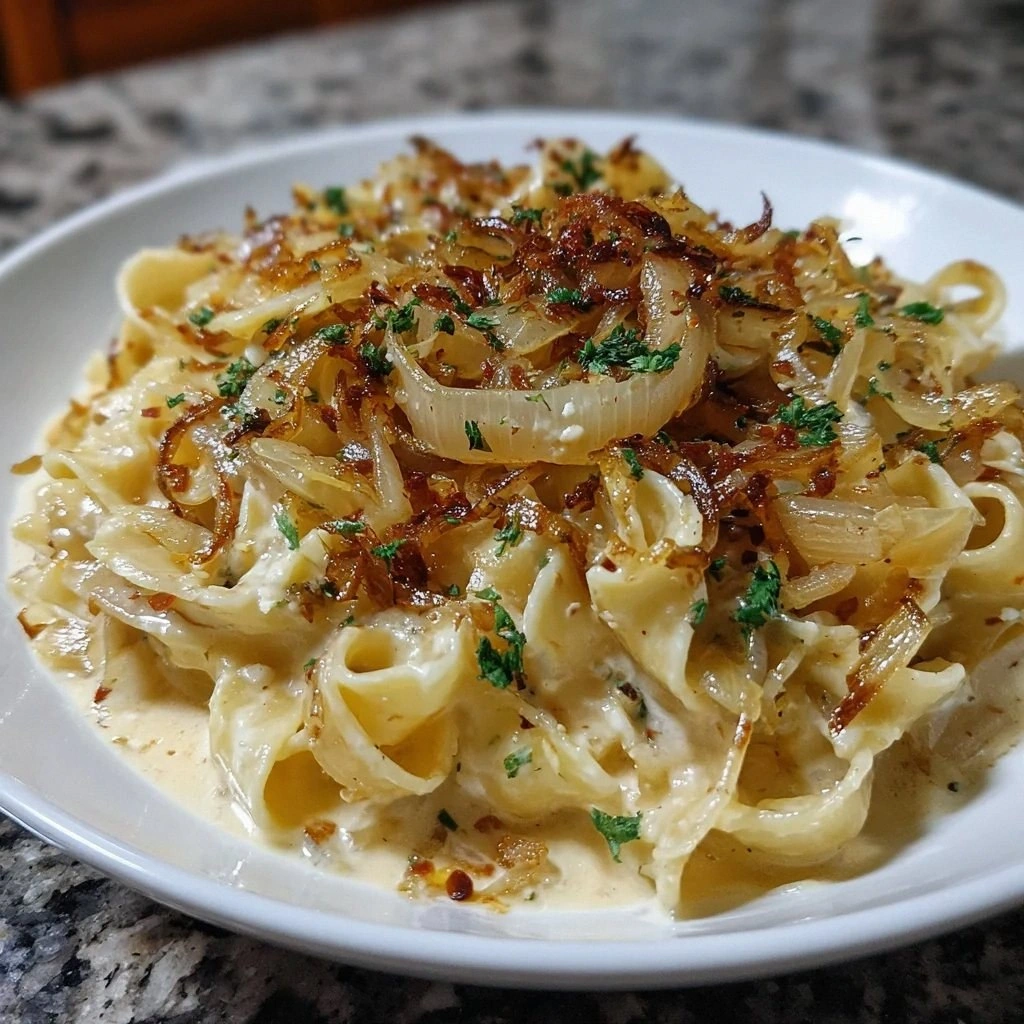
The Method — Step by Step
- Set your Dutch oven over medium heat and add two tablespoons olive oil plus one tablespoon butter. When the butter stops foaming and looks like liquid sunshine, swirl to coat. You want the fat hot enough that an onion slice tossed in whispers excitedly but does not spit like an angry cat. This is the foundation layer—rush it and onions stew instead of sear, leaving you with onion oatmeal. Patience here shaves time later, like investing in good shoes that outlast fast fashion.
- Dump in three jumbo yellow onions sliced into half-moons, add one teaspoon sea salt, and stir until every strand glistens. Now lower heat to medium-low and walk away for two minutes. Yes, walk—constant stirring cools the pot and sabotages caramelization. Return, give a confident scrape, and repeat the leave-and-return dance for fifteen minutes. The goal is mahogany edges with translucent centers, a color somewhere between maple syrup and bourbon.
- Clear a small circle in the center, drop in one more tablespoon butter, and add four minced garlic cloves plus a pinch of red pepper flakes. The butter carries fat-soluble flavors so garlic perfumes the whole dish instead of being trapped in onion jail. Thirty seconds later everything should smell like you walked into a bistro at dusk. Stir to marry, then create another clearing for the next flavor bombs.
- Add one tablespoon Worcestershire and one tablespoon soy sauce. They will hiss and bubble like a tiny cauldron, darkening the onions to an even deeper umber. Use your wooden spoon to lift the browned fond—that mahogany paste is liquid gold. The smell will punch you with savory depth; if it does not, your sauces may be ancient, swap fresh bottles.
- Pour in three cups water—or beef broth if you crave extra oomph—and crank heat to high. As soon as the liquid reaches a rolling boil, season with one teaspoon beef bouillon (skip if you already used broth), half teaspoon paprika, and a few grinds of black pepper. Let it bubble for thirty seconds so the spices hydrate and the broth takes on sunset color. Now it is pasta time, and this next part? Pure magic.
- Stir in twelve ounces short pasta and immediately set a timer for two minutes less than package minimum. Yes, undercooked—it will finish in the sauce, absorbing flavor like a sponge in a gravy Jacuzzi. Keep the liquid at a lively simmer; if it looks soupy, perfect, starch is leaching out and will thicken later. Give a quick stir every sixty seconds to prevent clumping, but do not obsess, the pot is doing the work.
- While pasta cooks, whisk two tablespoons cornstarch into one cup evaporated milk until zero lumps remain. Lumpy slurry equals bumpy sauce, and nobody wants gritty noodles. When the timer dings, lower heat to medium and pour in the slurry while stirring continuously. Within sixty seconds the broth transforms into glossy silk that coats the spoon like expensive paint.
- Sprinkle in one cup shredded Gruyère and half cup grated Parmesan. Stir until the cheese melts into stretchy ribbons that snap like taffy. The sauce will tighten further, so if it looks gloppy splash in a quarter cup hot water to loosen. Taste and adjust salt; broth and cheese vary widely in salinity, so your tongue is the only reliable scale.
- Remove from heat, cover, and let rest five minutes. I know, waiting is cruel, but starch granules swell and the sauce redistributes, so every bite is equally decadent. Meanwhile, preheat your broiler on high. Yes, we are about to add the crowning glory.
- Transfer the pot to the oven if it is oven-safe, or spoon pasta into a shallow broiler-proof dish. Top with the remaining half cup Gruyère plus a shower of Parmesan. Broil four inches from the element for two to three minutes, rotating once, until the cheese is blistered and freckled like beach shoulders in July. The edges will start pulling away, bubbling like hot springs. That sizzle when it hits the pan? Absolute perfection.
That is it—you did it. But hold on, I have got a few more tricks that will take this to another level...
Insider Tricks for Flawless Results
The Temperature Rule Nobody Follows
Keep the burner at medium-low while caramelizing; anything hotter scorches sugars and leaves bitter black flecks that no amount of Gruyère can hide. If onions brown in under eight minutes, you have raced too fast—lower heat and deglaze with a tablespoon of water to lift the color without burning. A friend tried skipping this step once; let us just say it did not end well, her pasta tasted like charcoal dipped in onion perfume. Low and slow equals deep and sweet, every single time.
Why Your Nose Knows Best
When the onions hit that mahogany stage, they will smell like French onion soup concentrate—rich, jammy, almost like balsamic drizzle. If you do not get that aroma, keep going. Your nose is more reliable than the clock; humidity, onion variety, and pan thickness all shift timing. Trust the scent and you will never second-guess doneness again.
The 5-Minute Rest That Changes Everything
After broiling, let the pot sit on a trivet for five minutes before serving. The molten top sets slightly, cheese re-absorbs steam, and you avoid that tragic tongue burn that kills taste buds for days. Plus the sauce thickens just enough to hug the pasta without sliding into a puddle. Patience equals prettier plates and happier mouths.
Cheese Grater Upgrade
Use the small holed side of a box grater for Parmesan; it creates fluffy snow that melts instantly, avoiding grainy clumps. For Gruyère, the large holes give you melty nuggets that stretch into Instagram-worthy strands. And never grate cheese cold from the fridge—room temp cheese melts faster and more evenly.
Creative Twists and Variations
This recipe is a playground. Here are some of my favorite ways to switch things up:
Mushroom Bourguignon Remix
Fold in sautéed cremini and shiitake after caramelizing the onions. The earthy mushrooms echo beefiness, making the dish taste almost meaty while staying vegetarian. Swap beef broth for mushroom stock and finish with a splash of red wine for depth. Even carnivores inhale this version without asking questions.
Truffle Swank Edition
Drizzle a teaspoon of white truffle oil over each serving just before broiling. The perfume is heady, luxurious, and turns humble pantry pasta into date-night gold. Add a handful of baby arugula on top for peppery crunch that slices through richness like a laser.
Buffalo Blue Bolt
Replace red pepper flakes with two tablespoons Buffalo hot sauce and finish with crumbled blue cheese instead of Parmesan. The tang and funk give French onion a wings-bar spin that makes beer taste better. Great for game-day couch camping.
Spring Green Revival
Stir in a cup of peas and a handful of baby spinach right after the cornstarch slurry. The vegetables blanch in the simmering sauce, staying bright and sweet. You still get all the comforting flavor while pretending to be health-conscious. Works wonders when serving salad-dodgers.
Seafood Splurge
Fold in peeled shrimp during the final two minutes of pasta simmer; they poach gently and pick up the onion sweetness. Finish with lemon zest and parsley for a coastal vibe that feels like vacation in a bowl. I dare you to taste this and not go back for seconds.
Vegan Hug
Use olive oil only, swap evaporated milk for full-fat coconut milk, and replace cheeses with nutritional yeast and vegan mozzarella shreds. The coconut flavor bakes off, leaving creaminess behind. Finish with smoked paprika for campfire nuance that tricks your brain into tasting bacon without the pig.
Storing and Bringing It Back to Life
Fridge Storage
Scoop leftovers into a shallow airtight container so it cools quickly and discourages bacteria parties. It keeps up to four days, though the flavor actually improves overnight as onions continue to mingle with cheese. Press plastic wrap directly onto the surface to prevent that annoying skin that looks like alien membrane. Reheat within the safety window and you will swear it tastes fresher than day one.
Freezer Friendly
Portion into freezer bags, press out excess air, and freeze flat for up to two months. Thaw overnight in the fridge—do not microwave from frozen unless you like grainy cheese flecks floating in sad water. The pasta will be softer post-freeze, so undercook by an extra minute if you plan to stockpile. Label bags with painter’s tape; future you is forgetful and probably hungry.
Best Reheating Method
Warm gently in a covered saucepan with a splash of water or broth over low heat, stirring often. The added moisture steams the sauce back to glossy life without separating the dairy. Avoid the microwave if you want that just-made silkiness; high heat zaps cheese into rubber. Once hot, top with a fresh dusting of Parmesan and a quick broil for two minutes to resurrect the bubbly top. Dinner redemption achieved.