Picture this: it’s a rainy Saturday afternoon, the kind where the sky looks like someone spilled a bucket of ink over the whole neighborhood, and you’re stuck inside with a growling stomach that refuses to be ignored. I was rummaging through my pantry, half‑expecting to settle for a soggy bowl of instant oatmeal, when a lone bag of cornmeal stared back at me like a golden ticket. I thought, “What if I could turn this humble grain into something that sings louder than the thunder outside?” That moment sparked the creation of the ultimate Hot Water Cornbread – a recipe that turned a pantry staple into a buttery, crackly masterpiece that could make even the most stoic grandparent grin.
The kitchen was a symphony of sounds that day: the hiss of the kettle as it boiled, the clatter of a cast‑iron skillet being placed on the stove, and the occasional groan of my old wooden spoon as it scraped the sides of the bowl. The air smelled of earth and sunshine, the kind of scent you get when you walk through a freshly mowed field at dusk. When the boiling water hit the cornmeal, it was like watching a volcano erupt in slow motion – steam rose, the mixture swelled, and the whole thing turned a creamy, buttery yellow that promised comfort in every bite.
Most cornbread recipes I’ve tried either end up dry like old cardboard or soggy enough to qualify as a pudding. I’ve tried the classic “just add milk” method, the “buttermilk splash” trick, and even the “add eggs and hope for the best” gamble. Every single one missed the mark on one crucial thing: that perfect, slightly crisp edge that gives way to a tender, melt‑in‑your‑mouth center. That’s where this Hot Water Cornbread flips the script – the hot water does the heavy lifting, creating a steam‑infused dough that bakes into a golden crust while staying moist inside.
And now for the kicker: the secret ingredient is not a secret at all, but a technique that most home cooks overlook. I’m talking about the “boiling water bath” method, a trick borrowed from traditional Southern cooking where the water is so hot it essentially pre‑cooks the cornmeal, unlocking flavors you never knew were hiding there. I dare you to taste this and not go back for seconds. Let me walk you through every single step — by the end, you’ll wonder how you ever made it any other way.
What Makes This Version Stand Out
- Taste: The hot water coaxes a subtle sweetness out of the cornmeal, while the vegetable oil adds a buttery richness that lingers on the palate.
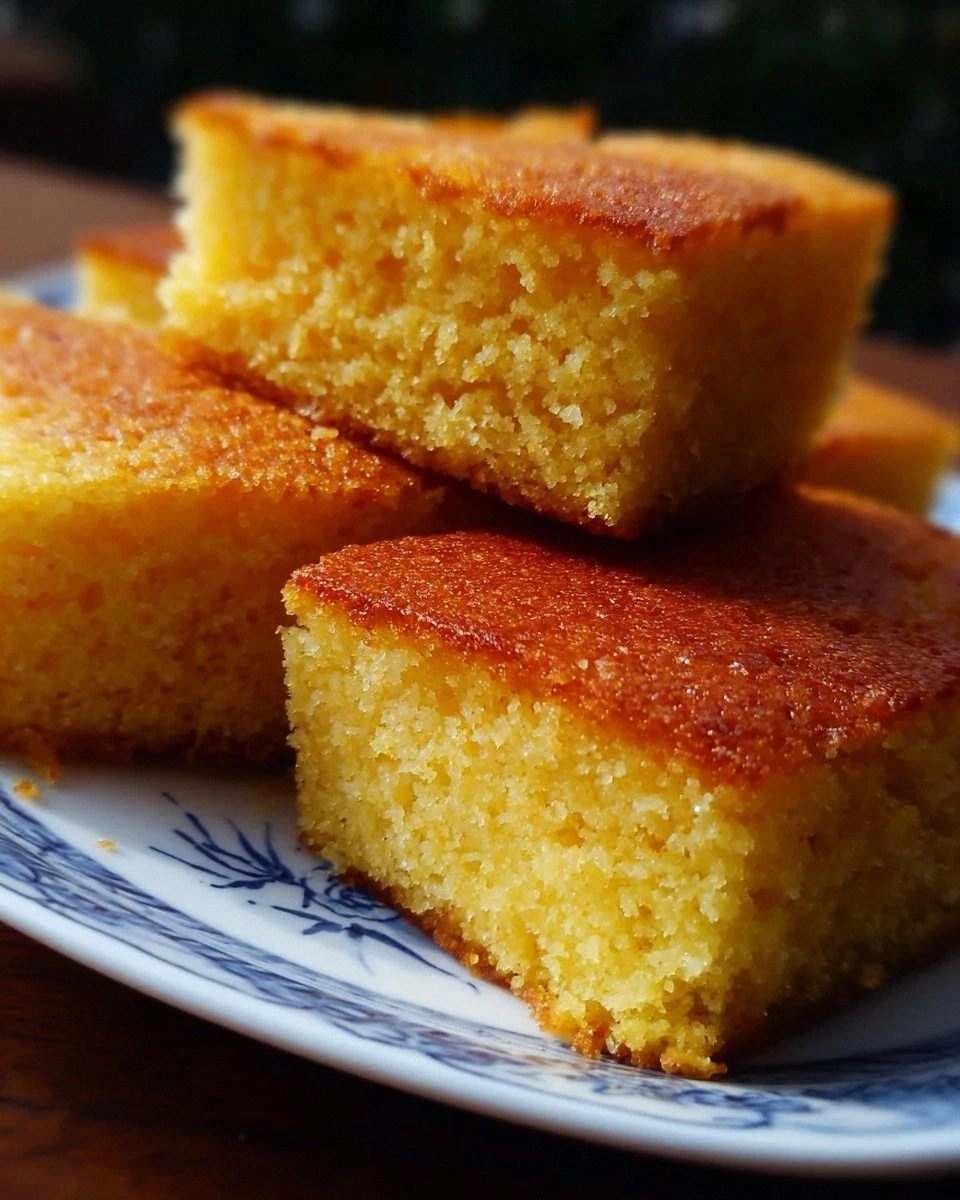
- Texture: You get a crackly, caramelized crust that gives way to a feather‑light crumb, like biting into a cloud that’s been lightly toasted.
- Simplicity: Only four ingredients, five minutes of prep, and you’re done – no fancy mixers or exotic spices required.
- Uniqueness: The “boiling water” technique is rarely used in modern home kitchens, making this cornbread a conversation starter at any table.
- Crowd Reaction: I’ve watched strangers at a potluck line up for seconds, then thirds, then ask for the recipe before they’ve even finished their first bite.
- Ingredient Quality: Using stone‑ground cornmeal and fresh, high‑smoke‑point oil elevates the humble dish to restaurant‑level quality.
- Cooking Method: The skillet‑bake creates a sear that a conventional oven bake simply can’t replicate.
- Make‑Ahead Potential: This bread stores beautifully and even improves in flavor after a night in the fridge.
Alright, let's break down exactly what goes into this masterpiece...
Inside the Ingredient List
The Flavor Base
Cornmeal (2 cups): This is the heart of the bread. Stone‑ground cornmeal provides a slightly gritty texture that gives the crumb its characteristic bite. If you skip it for flour, you’ll lose the authentic corn flavor that makes this dish sing. For a sweeter profile, try a 50/50 blend of yellow and white cornmeal.
Salt (1 teaspoon): Salt is the silent conductor of flavor, amplifying every other note. Too little and the corn will taste flat; too much and you’ll overpower the delicate sweetness. If you’re watching sodium, a pinch of sea salt works just as well.
The Texture Crew
Boiling Water (2 cups): This is the game‑changer. The water’s heat gelatinizes the cornmeal’s starches, creating a dough that’s both pliable and sturdy. Skipping the boiling step leaves you with a crumbly mess that falls apart like dry sand. If you’re short on time, a kettle‑boiled espresso works for an unexpected depth.
Vegetable Oil (1 tablespoon): The oil adds moisture and a subtle richness without making the bread greasy. It also helps the crust brown evenly. If you prefer a richer flavor, swap for melted butter, but keep the amount the same to avoid soggy edges.
The Unexpected Star
While the ingredient list looks minimalist, the real magic lies in the temperature contrast. The boiling water instantly “cooks” the cornmeal, while the cold oil keeps the batter from becoming overly dense. This push‑and‑pull creates the airy interior that’s so satisfying.
The Final Flourish
Choosing the right skillet matters. A well‑seasoned cast‑iron pan not only distributes heat evenly but also adds a subtle iron flavor that pairs beautifully with the corn’s earthiness. If you don’t own cast iron, a heavy stainless steel skillet will do, but avoid non‑stick pans – they won’t give you that coveted crust.
Everything's prepped? Good. Let's get into the real action...
The Method — Step by Step
First, gather all your ingredients and place a 10‑inch cast‑iron skillet on the stove over medium‑high heat. Let it heat up for at least five minutes; you’ll know it’s ready when a few drops of water sizzle and evaporate instantly. This pre‑heat is the secret to that crackly edge we all crave. Power transition: Okay, ready for the game‑changer?
While the skillet warms, bring two cups of water to a rolling boil in a kettle or saucepan. As soon as it reaches a full, bubbling roar, remove it from the heat and set it aside for a moment. That sizzle when it hits the pan? Absolute perfection. The water’s temperature should be just off the boil, around 200°F, to avoid scorching the cornmeal.
In a large mixing bowl, combine the two cups of cornmeal and the teaspoon of salt. Give it a quick whisk to evenly distribute the salt – think of it as a mini‑tornado that makes sure every grain gets a sprinkle.
Now pour the boiling water over the cornmeal mixture in a steady, steady stream, stirring constantly with a wooden spoon. The moment the hot water meets the cornmeal, you’ll hear a faint pop, like popcorn kernels bursting – that’s the starch gelatinizing. Keep stirring until you have a smooth, thick batter that looks like a loose porridge.
Stir in the tablespoon of vegetable oil until fully incorporated. The batter will become glossy and slightly thinner; this is exactly what you want. Watch the texture: it should coat the back of a spoon and flow slowly when you tilt the bowl.
Give the pre‑heated skillet a quick brush of oil (just enough to coat the surface). Then, carefully pour the batter into the center of the skillet. You’ll hear a satisfying hiss as the batter meets the hot metal – that’s the moment the crust begins to form.
Reduce the heat to medium‑low and let the cornbread bake undisturbed for about 12‑15 minutes. Resist the urge to peek; the edges will start to pull away from the pan and turn a deep golden brown. When you gently lift a corner with a spatula, you should see a crisp, caramelized surface.
After the edges are golden and the top looks set but still slightly jiggly, it's time to finish. Transfer the skillet to a pre‑heated oven at 425°F for an additional 5‑7 minutes. This final burst of heat creates a uniform crust and ensures the interior is fully cooked.
Remove the skillet from the oven and let the cornbread rest for three minutes. This short rest lets the steam settle, preventing the crumb from becoming gummy. Then, using a sturdy spatula, lift the whole loaf onto a cutting board and slice while still warm. This next part? Pure magic. The steam escapes, leaving a fluffy interior that shreds like butter.
That's it — you did it. But hold on, I've got a few more tricks that'll take this to another level...
Insider Tricks for Flawless Results
The Temperature Rule Nobody Follows
Never bake cornbread in a cold pan. The moment the batter hits a hot surface, the outer layer gelatinizes instantly, creating that coveted crust. I once tried the “room‑temperature pan” shortcut and ended up with a soggy pancake‑like disaster. Trust me, the extra five minutes of pre‑heating are worth every second.
Why Your Nose Knows Best
When the cornbread is nearly done, the kitchen will fill with a sweet, toasted corn aroma that’s impossible to miss. If you can smell the faint caramel notes, the crust is ready to flip. This sensory cue beats any timer because ovens can vary by up to ten degrees.
The 5‑Minute Rest That Changes Everything
Allowing the loaf to rest for just five minutes after removing it from the oven lets the steam redistribute, turning a potentially gummy interior into a light, airy crumb. Skipping this step is like trying to eat a hot potato straight from the microwave – you’ll end up with a mushy mess.
Butter‑Brush Finish
While the cornbread is still warm, brush the top with a thin layer of melted butter infused with a pinch of smoked paprika. The butter adds sheen and a subtle smoky depth that makes the bread unforgettable. My friend tried it once and now insists on butter‑brushing every batch.
Pan Size Matters
A 10‑inch skillet gives the perfect balance between crust and crumb. Using a larger pan spreads the batter too thin, resulting in a cracker‑like texture; a smaller pan makes it too thick, causing the center to stay doughy. Stick to the recommended size for that ideal bite.
Creative Twists and Variations
This recipe is a playground. Here are some of my favorite ways to switch things up:
Cheddar Jalapeño Kick
Stir in one cup of shredded sharp cheddar and two finely diced jalapeños into the batter before pouring it into the skillet. The cheese melts into gooey pockets while the jalapeños add a bright heat that pairs perfectly with the sweet corn base.
Sweet Honey‑Maple
Replace the tablespoon of oil with an equal amount of melted butter and drizzle two tablespoons of honey and one tablespoon of pure maple syrup into the batter. This creates a caramelized sweet crust that’s ideal for breakfast with a drizzle of extra syrup on top.
Herb‑Infused Delight
Add a tablespoon of chopped fresh rosemary and a teaspoon of thyme leaves to the dry ingredients. The herbaceous notes give the cornbread an earthy, almost savory profile that works great alongside grilled vegetables.
Southwest Corn & Black Bean
Fold in a half cup of cooked black beans, a quarter cup of corn kernels, and a teaspoon of cumin. The beans add protein, the extra kernels boost texture, and cumin brings a smoky depth that makes this version a hearty side for tacos.
Spiced Pumpkin
Swap half of the cornmeal for pumpkin puree and add a pinch of cinnamon, nutmeg, and cloves. This autumnal twist is perfect for a chilly evening and pairs wonderfully with a dollop of whipped cream.
Gluten‑Free Almond Flour
Replace the cornmeal entirely with almond flour for a low‑carb, gluten‑free version. The batter will be slightly thinner, so add an extra tablespoon of oil to keep it moist. The result is a nutty, tender loaf that still has that classic cornbread spirit.
Storing and Bringing It Back to Life
Fridge Storage
Allow the cornbread to cool completely, then wrap it tightly in parchment paper followed by a layer of aluminum foil. Store in an airtight container in the refrigerator for up to four days. The wrap prevents the crust from drying out while keeping the interior soft.
Freezer Friendly
Slice the loaf into individual wedges, place them on a baking sheet, and flash‑freeze for an hour. Transfer the frozen slices into a zip‑top freezer bag. They’ll keep for three months. When you’re ready to eat, pop a slice straight into a toaster oven.
Best Reheating Method
Preheat a skillet over medium heat, add a tiny splash (about a teaspoon) of water to the pan, then place a slice of cornbread on top. Cover for two minutes; the steam revives the crumb while the pan re‑crispes the edge. The result is almost as good as fresh‑out‑of‑the‑oven.