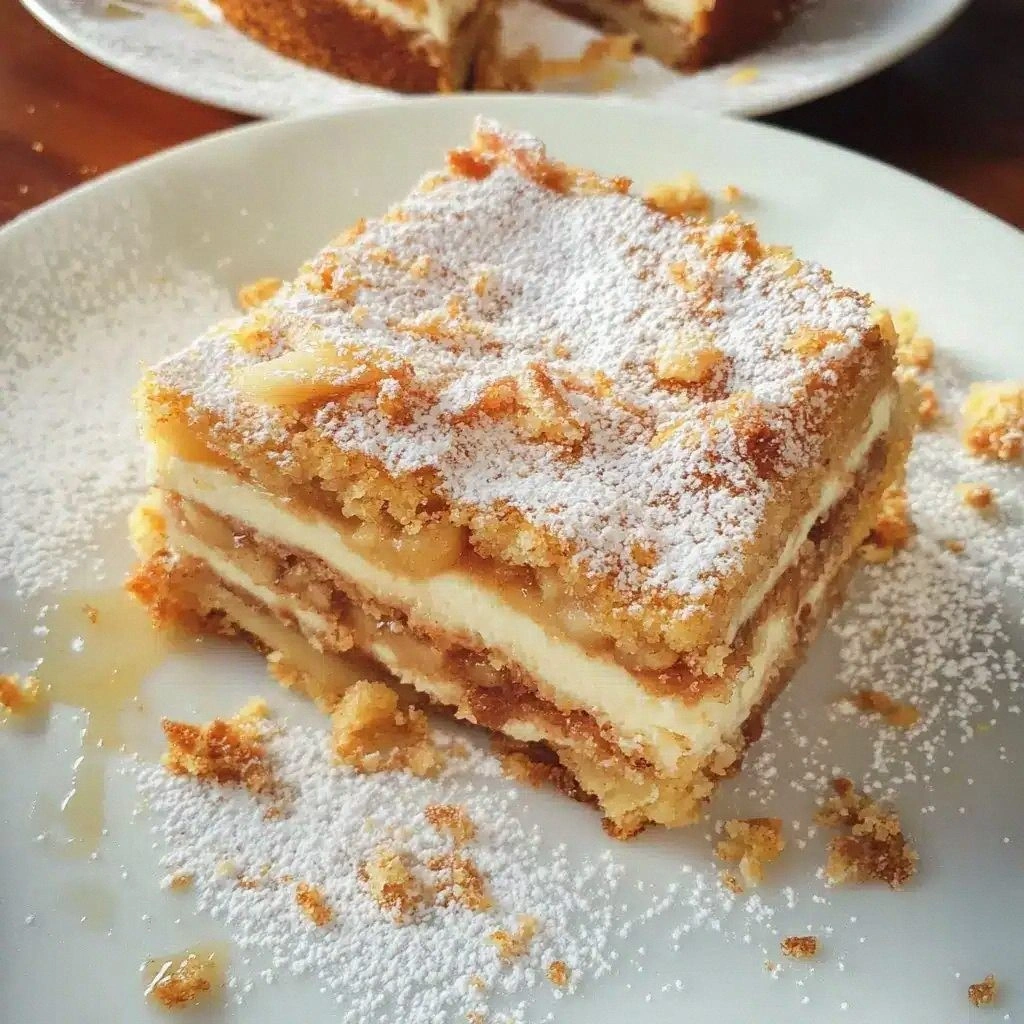
I was standing in a cramped kitchen, staring at a burnt pancake that had turned the table into a tiny blackened mess. My friend had dared me to bake a cake that could outshine the bakery on Main Street, and I was determined to prove that a humble apple cake could rise to the occasion. The scent of cinnamon and butter wafting from the oven was almost a betrayal of the disaster that had just taken place. I imagined the golden crust, the soft, caramelized apple pockets, and the faint whisper of vanilla dancing on the palate. If you’ve ever thought that a cake is just a cake, think again—this is a revelation wrapped in a sweet, buttery shell.
Picture yourself pulling this out of the oven, the whole kitchen smelling incredible, a steam curtain of apple and spice curling around the pan. The first bite feels like a hug: the batter is airy yet dense, the apples are tender but still hold their shape, and that subtle tang from the lemon zest cuts through the sweetness like a knife through silk. I dare you to taste this and not go back for seconds. I’ve tried dozens of apple cakes over the years, but this one feels like the pinnacle of everything sweet and savory. The contrast between the crisp edges that shatter like thin ice and the moist center is a sensory dance that will leave you craving more.
What makes this version stand out? It’s not just the ingredients; it’s the way they are orchestrated. The recipe balances the traditional Hungarian flavors with modern baking techniques, creating a cake that’s both nostalgic and fresh. The secret lies in the precise timing, the layered flavor profile, and the use of a few unconventional ingredients that elevate the cake from ordinary to unforgettable. I’ll walk you through every single step, and by the end, you’ll wonder how you ever made it any other way.
Before we dive into the batter, let’s talk about the core philosophy behind this cake: simplicity meets depth. I’ve spent years tweaking recipes, and I’ve found that the best cakes are those that let the ingredients speak for themselves. No fancy decorations, no overcomplicated steps—just a well‑balanced blend of flour, apples, spices, and a touch of love. If you’ve ever struggled with an apple cake that turned out dry or too sweet, you’re not alone, and I’ve got the fix. The next part? Pure magic.
What Makes This Version Stand Out
- Flavor: The apple and cinnamon combination is amplified by a subtle hint of lemon zest that brightens the entire profile. The result is a cake that feels fresh, not cloyingly sweet.
- Texture: The batter is light enough to rise yet dense enough to hold the apple pieces, creating a mouthfeel that is both airy and comforting.
- Ease: All the steps can be completed in under an hour, and the only special equipment you need is a standard 9‑inch springform pan.
- Versatility: Swap out the apples for pears or add a splash of rum for an adult twist—this cake adapts to your mood.
- Crowd‑pleaser: Friends and family will rave about the caramelized apple pockets and the buttery crumb that melts in your mouth.
- Ingredient Quality: Using fresh, organic apples and a high‑quality butter makes a noticeable difference in taste and texture.
- Make‑Ahead Friendly: The cake can be baked, cooled, and stored for up to three days, making it perfect for busy schedules.
- Presentation: The golden crust and glossy apple glaze give it a professional look that’s Instagram‑ready.
Alright, let's break down exactly what goes into this masterpiece...
Inside the Ingredient List
The Flavor Base
Flour is the backbone of any cake, but choosing the right type makes all the difference. I use all‑purpose flour because it gives the batter a sturdy structure while keeping the crumb tender. A light hand with the flour—about 2 cups measured by spoon and level—prevents the cake from becoming doughy. If you’re adventurous, you can replace ¼ of the flour with whole wheat for a nutty undertone, but be careful not to overmix.
Sugar is the sweet whisper that balances the tartness of the apples. I prefer light brown sugar because its molasses content adds depth without overwhelming the cake. About 1 cup of brown sugar brings a caramel note that pairs beautifully with cinnamon. If you’re watching calories, you can swap half of the sugar for a natural sweetener like honey, but remember honey is sweeter, so reduce the amount accordingly.
Salt is the unsung hero that elevates every flavor. A pinch of sea salt accentuates the sweetness and brings out the apple’s natural brightness. Don’t skip it—without salt, the cake will taste flat. I use ½ teaspoon, which is enough to bring harmony without overpowering.
The Texture Crew
Butter is the richness that gives the cake its buttery crumb. I melt ½ cup of unsalted butter and let it cool slightly before adding it to the batter. This step prevents the eggs from curdling and keeps the mixture silky. For an extra touch of flavor, you can infuse the butter with a splash of vanilla extract.
Eggs bind everything together and provide lift. I use three large eggs, one at a time, ensuring each is fully incorporated before adding the next. The first egg is beaten until it’s light and foamy, which introduces air into the batter. Skipping an egg will result in a denser cake that lacks the airy quality I love.
Leavening agents—baking powder and baking soda—are essential for the cake’s rise. I combine 1 teaspoon of baking powder with a pinch of baking soda, which reacts with the acidic lemon zest and apples to produce a gentle lift. If you’re using a different flour, adjust the leavening slightly to avoid a heavy crumb.
The Unexpected Star
Apples are the star of this cake, but not just any apples will do. I choose Honeycrisp or Granny Smith for their firm texture and bright flavor. Roughly 3 cups of diced apples are folded into the batter, creating pockets of sweetness that burst with each bite. If you prefer a softer cake, pre‑cook the apples with a pinch of cinnamon; they’ll release their juices and add moisture.
Raisins add a chewy contrast that’s both sweet and slightly tart. A half cup of plums or sultanas goes in with the apples, adding a subtle depth that makes the cake feel indulgent. If you’re not a fan of dried fruit, you can omit them entirely or replace them with chopped nuts for crunch.
The Final Flourish
Cinnamon is the soul of Hungarian apple cake, and I use 2 teaspoons of ground cinnamon for a warm, spicy undertone. A pinch of nutmeg or allspice can be added for a more complex aroma, but keep it subtle so the apple remains the star. Lemon zest, a tablespoon, brightens the entire cake, cutting through the sweetness and adding a citrusy lift.
Vanilla extract—1 teaspoon—infuses the batter with a sweet, floral note that ties all the flavors together. Milk, ½ cup, is added to adjust the batter’s consistency; it keeps the cake moist without making it watery. If you’re lactose intolerant, oat milk or almond milk works just fine.
Everything's prepped? Good. Let's get into the real action...
The Method — Step by Step
- Preheat your oven to 350°F (175°C). While the oven warms, grease a 9‑inch springform pan with butter and dust it lightly with flour, tapping out any excess. This prevents sticking and ensures a clean release. Place the pan on a baking sheet to keep it stable during the bake.
- In a large mixing bowl, whisk together the flour, brown sugar, baking powder, baking soda, salt, cinnamon, and nutmeg. The dry mix should have a sandy texture. This is the foundation that will carry the apples, so make sure it’s evenly blended.
- In a separate bowl, beat the eggs until they’re light and foamy. This introduces air, giving the cake its lift. Add the melted butter and vanilla extract, whisking until the mixture is smooth and glossy. The butter should be warm enough to blend, but not hot enough to scramble the eggs.
- Pour the wet mixture into the dry ingredients. Stir gently with a spatula until just combined; overmixing will develop gluten and make the cake tough. The batter should be thick yet pourable. You’ll know it’s ready when the flour disappears and the mixture is smooth.
- Fold in the diced apples, raisins, and lemon zest. Use a gentle folding motion to keep the batter airy. The apples should be evenly distributed, creating pockets of juicy sweetness. This step is critical; it’s where the cake’s character is born.
- Pour the batter into the prepared pan, smoothing the top with a spatula. Tap the pan lightly on the counter to release any air bubbles. The batter should settle evenly, giving you a level surface for a uniform rise.
- Place the pan in the preheated oven and bake for 30 minutes. The cake should rise, the top should turn golden brown, and a toothpick inserted into the center should come out clean. Keep a close eye on the edges; they should pull away from the pan when ready.
- Remove the cake from the oven and let it cool in the pan for 10 minutes. Then, release the edges with a knife, invert onto a wire rack, and cool completely. This step preserves the structure and prevents the cake from becoming soggy.
- While the cake is cooling, prepare a simple glaze: whisk 1 cup powdered sugar with 2 tablespoons lemon juice and a splash of milk until smooth. Drizzle the glaze over the cooled cake for a glossy finish. The glaze adds a tangy sweetness that balances the richness.
- Once the glaze sets, slice the cake with a serrated knife. Serve at room temperature or slightly chilled. The flavors are most pronounced when the cake has settled into its final form.
That's it — you did it. But hold on, I've got a few more tricks that'll take this to another level...
Insider Tricks for Flawless Results
The Temperature Rule Nobody Follows
Many bakers overlook the importance of oven temperature accuracy. Even a 10°F deviation can cause the cake to rise unevenly. Use an oven thermometer to verify the actual temperature before baking. If your oven runs hot, lower the temperature by 25°F and add a few extra minutes to the bake time.
Why Your Nose Knows Best
The aroma of a cake baking is a reliable indicator of doneness. When the scent of caramel and spices fills the kitchen, it’s a sign that the cake is nearing perfection. Trust your nose; it’s a seasoned judge that no timer can match.
The 5-Minute Rest That Changes Everything
Allowing the cake to rest for 5 minutes in the pan before removing it is crucial. This short period lets the structure set, preventing the cake from collapsing. The rest also allows the flavors to meld, creating a richer taste profile.
The Secret of a Crumbly Finish
If you prefer a slightly crumbly texture, add an extra tablespoon of flour to the batter. This small adjustment will give the cake a more tender crumb while maintaining the apple pockets. It’s a subtle tweak that can make a big difference.
The Final Glaze Trick
For a glossy, glossy glaze, whisk the powdered sugar until it’s completely fine before adding the liquid. This prevents clumps and ensures a smooth finish. If you prefer a thicker glaze, add less liquid; for a runnier glaze, add more.
Creative Twists and Variations
This recipe is a playground. Here are some of my favorite ways to switch things up:
Pear & Cinnamon Cake
Swap apples for pears and increase the cinnamon to 3 teaspoons. Pears add a subtle sweetness that pairs beautifully with the spice. This version is perfect for a crisp autumn afternoon.
Chocolate Chip Hungarian Cake
Add 1 cup of dark chocolate chips to the batter. The chocolate adds a decadent depth, while the apples keep the cake bright. Serve warm for a comforting dessert.
Rum‑Infused Delight
Add 2 tablespoons of dark rum to the batter and glaze. The rum brings a warm, boozy undertone that enhances the apple flavor. This variation is ideal for holiday gatherings.
Vegan Version
Replace butter with melted coconut oil, use flaxseed eggs (1 tablespoon ground flaxseed + 3 tablespoons water), and substitute dairy milk with oat milk. The texture remains light, and the flavor stays true to the original.
Nutty Crunch Cake
Incorporate ½ cup chopped walnuts or pecans into the batter. The nuts add a satisfying crunch and nutty aroma. This twist is great for those who love a bit of texture.
Citrus Zest Variation
Increase the lemon zest to 2 tablespoons and add a tablespoon of orange zest. The citrus blend brightens the cake, making it feel fresh and lively. Ideal for springtime.
Storing and Bringing It Back to Life
Fridge Storage
Store the cooled cake in an airtight container at room temperature for up to two days. For longer freshness, wrap the cake in plastic wrap and refrigerate for up to three days. The cake remains moist, and the apple flavor stays vibrant.
Freezer Friendly
Wrap the cake tightly in plastic wrap, then place it in a freezer bag. Freeze for up to three months. When ready to serve, thaw at room temperature for 2 hours, then warm slightly in a 300°F oven for 10 minutes to revive the crumb.
Best Reheating Method
Reheat the cake in a preheated 300°F oven for 8–10 minutes, or microwave on low power for 30 seconds. Add a splash of milk or water before reheating to steam the cake back to perfection. The result is a freshly baked, soft crumb.