Picture this: I’m standing in a cramped kitchen, the air thick with the scent of burnt onions, and my phone buzzes with a text from a friend daring me to whip up the “ultimate low‑carb egg drop soup” before the end of the week. I laughed, grabbed a handful of ingredients, and the moment the broth began to bubble, the kitchen transformed into a fragrant, steamy theater. The sound of the pot clinking against the counter was the overture, the aroma of ginger and garlic the prelude, and the sight of the eggs cracking into the simmering liquid was the crescendo. By the time the first silky strands of egg formed, I could taste the triumph already simmering in my mouth.
I’ve tried a dozen egg drop soups over the years, from the bland, watery versions that leave you wanting more to the overly thick, gloopy concoctions that feel like a carb‑laden dessert. None of them felt like the right balance of savory, silky, and low‑carb. That was until I discovered the version that makes the broth sing and the eggs dance, all while keeping the carb count low enough to keep my macros happy. The secret? A precise blend of broth, a touch of umami, and a special thickening trick that keeps the soup silky without the sugar spike.
If you’ve ever felt the disappointment of a soup that’s either too watery or too thick, you’re not alone. I’ve been there, staring at a pot of broth that could double as a swimming pool, wishing for that silky texture that coats your palate like velvet. That’s why I’m here to walk you through every single step, from the first splash of broth to the last swirl of egg. By the end, you’ll wonder how you ever made it any other way.
Let’s dive into the ingredients first. Each one has been chosen not just for flavor but for how it contributes to the low‑carb profile. From the savory base of low‑sodium chicken broth to the subtle kick of sesame oil, every element is a note in a symphony that plays straight to your taste buds. Trust me, you’ll want to taste this and not go back for seconds.
I’ll be honest—after making this soup, I ate half the batch before anyone else got to try it. That’s the power of a recipe that feels like a hug in a bowl. So, ready to taste something that will become your new comfort food staple? Let’s get started.
What Makes This Version Stand Out
- Taste: This soup delivers a deep umami punch from the broth and soy sauce, balanced by the bright, clean flavors of ginger and garlic. The subtle heat of white pepper adds a whisper of warmth without overpowering the delicate egg strands.
- Texture: The eggs form silky, translucent ribbons that float gracefully, thanks to the precise egg-to-broth ratio and the gentle stirring technique. No clumping, no gloopy mess.
- Low‑Carb: By replacing traditional starches with xanthan gum, we keep the carb count low while still achieving that satisfying thickness. This is hands down the best version you’ll ever make at home.
- Ease of Prep: Each step is designed to be intuitive, even for kitchen novices. The method is straightforward: simmer, whisk, stir, and serve.
- Make‑Ahead: The soup retains its texture after refrigeration, and a quick splash of water during reheating brings it back to life. Great for busy weeknights.
- Crowd Reaction: Friends who are skeptical about low‑carb dishes often say this is the first time they’ve tasted something that feels like a carb‑laden comfort food.
- Ingredient Quality: Using high‑quality, low‑sodium broth and fresh ginger ensures that even the smallest details shine through.
Inside the Ingredient List
The Flavor Base
Low‑sodium chicken broth is the canvas of this soup, offering a clean, savory foundation that lets the other flavors shine. The broth’s subtle sweetness balances the sharpness of ginger and the depth of soy sauce. If you skip the broth, the soup becomes a flat, uninteresting liquid that fails to carry the egg ribbons. For a vegetarian version, swap the chicken broth for a robust vegetable broth, but be mindful of the sodium content.
When selecting broth, opt for one with no added sugars or fillers. A high‑quality broth will reduce the need for extra salt, keeping the carb count low. I’ve found that a 4‑quart carton of low‑sodium broth gives the best flavor without the sodium overload.
The Texture Crew
Eggs are the star of the show, but the way you add them determines the soup’s silkiness. Crack the eggs into a small bowl and whisk them lightly; this helps them distribute evenly in the hot liquid. The eggs should be added slowly, in a steady stream, while gently swirling the broth. This technique creates long, ribbon‑like strands that give the soup its signature texture.
Xanthan gum is the unsung hero that thickens the broth without adding carbs. Sprinkle it in a pinch and whisk vigorously to avoid clumps. If you prefer a thicker soup, you can add a bit more, but be careful—too much can make it gummy.
The Unexpected Star
Sesame oil adds a nutty aroma that elevates the entire dish. Just a teaspoon is enough to give the soup a subtle depth without overpowering the delicate egg strands. If you’re avoiding sesame, a splash of toasted rice vinegar can provide a similar bright note.
Ginger paste and minced garlic bring warmth and a hint of heat that cuts through the richness of the broth. A teaspoon of ginger paste is enough to impart a fresh, zesty flavor that’s unmistakable. The garlic adds a mellow, savory backdrop that balances the other spices.
The Final Flourish
Scallions, sliced thin, add a fresh, oniony brightness that lifts the soup’s flavor profile. They also provide a subtle crunch if you leave a few larger pieces in the bowl. A pinch of white pepper gives a gentle heat that’s more refined than black pepper, complementing the soy sauce’s umami. Sesame seeds, optional but highly recommended, add a nutty crunch and a pop of color.
If you’re craving extra protein, diced tofu or shredded chicken can be added at the start of the simmering process. This not only boosts the protein content but also adds a pleasant bite that contrasts with the silky eggs.
Everything’s prepped? Good. Let’s get into the real action.
The Method — Step by Step
- Bring the chicken broth to a gentle simmer in a medium‑sized pot. The broth should be hot but not boiling; a steady, low bubble is ideal. This temperature keeps the eggs from scrambling when added.
- Whisk the eggs in a small bowl until the yolks and whites are fully blended. This helps the eggs form uniform ribbons once they hit the broth.
- Add the soy sauce, sesame oil, ginger paste, and minced garlic to the simmering broth. Stir gently to combine, allowing the aromatics to infuse the liquid. The broth should now carry a rich, savory aroma.
- Reduce the heat to low and stir in the xanthan gum, whisking vigorously for 30 seconds to fully disperse. The broth will thicken slightly, becoming silky smooth.
- Slowly pour the whisked eggs into the broth in a thin stream, simultaneously swirling the pot with a wooden spoon or chopstick. The eggs will immediately form long, translucent strands that float gracefully.
- Let the soup simmer for another 2 minutes, allowing the flavors to meld. The egg ribbons should be fully cooked but still tender. If you like a thicker soup, add a little more xanthan gum at this point.
- Season with white pepper, adjusting to taste. The pepper should add a gentle heat without overpowering the delicate egg texture.
- Stir in the sliced scallions and, if desired, the diced tofu or shredded chicken. These additions provide a pleasant bite and boost the protein content.
- Taste the soup and adjust the salt if necessary. A pinch of salt will bring out the flavors, but be careful not to overdo it.
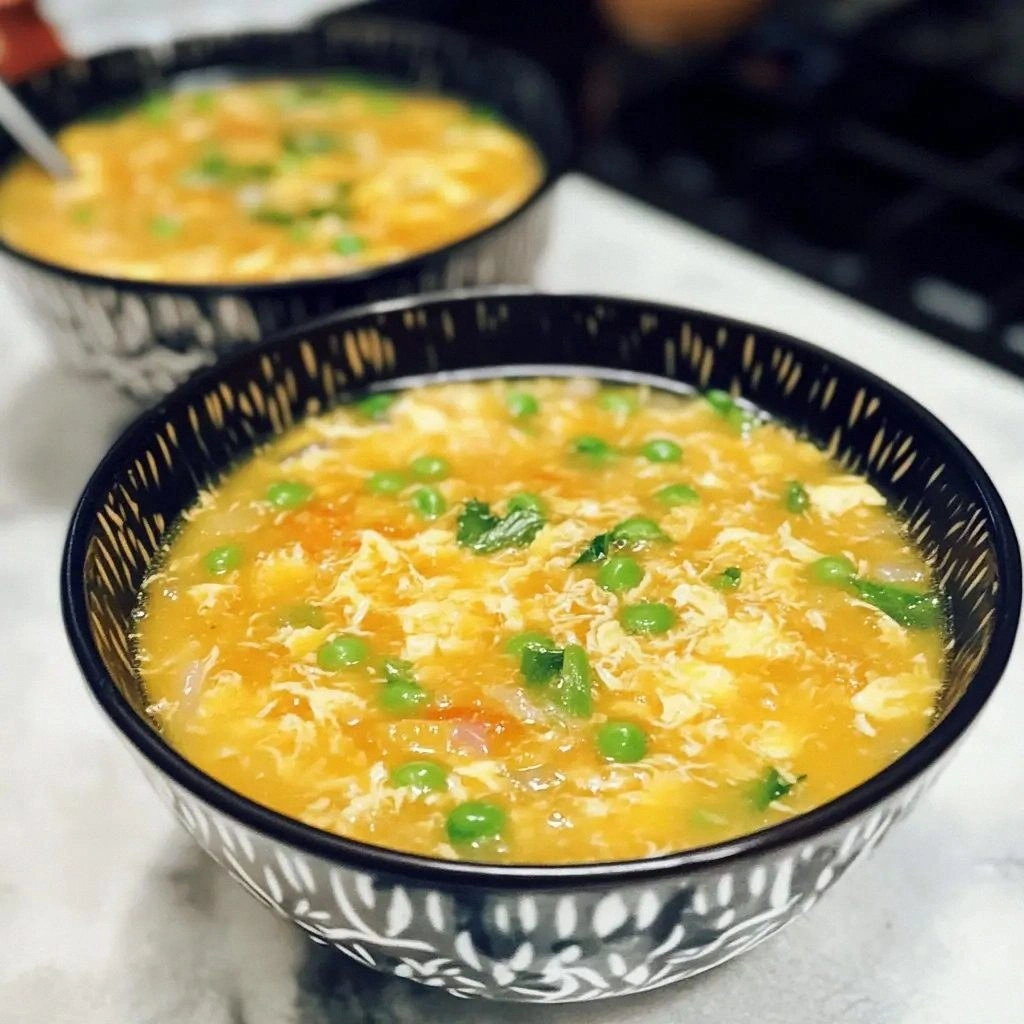
- Serve hot, garnishing with a sprinkle of sesame seeds for a nutty crunch and a pop of color. The soup should look inviting, with silky ribbons of egg dancing in a savory broth.
That’s it — you did it. But hold on, I’ve got a few more tricks that will take this to another level.
Insider Tricks for Flawless Results
The Temperature Rule Nobody Follows
The broth should never reach a rolling boil when you add the eggs. A gentle simmer keeps the eggs from scrambling and ensures a silky texture. I’ve seen countless beginners make the mistake of letting the pot boil, resulting in a clumpy mess. Keep the heat low and stir constantly. This simple rule guarantees a smooth, velvety soup.
Why Your Nose Knows Best
Before you even taste the soup, let it sit for a minute and inhale the aroma. The scent of ginger and soy sauce is a telltale sign that the flavors are balanced. If it smells too metallic or too bland, adjust the seasoning. Your nose is a reliable guide to the soup’s readiness.
The 5‑Minute Rest That Changes Everything
After you’ve finished cooking, let the soup rest for five minutes off the heat. This resting period allows the flavors to meld and the egg strands to set perfectly. If you rush straight into serving, the egg ribbons may look slightly uneven. A five‑minute pause is worth the extra time.
The Right Whisking Technique
When whisking the eggs, use a small, wide whisk or a fork to break them into tiny droplets. This ensures they disperse evenly into the broth. A slow, steady pour, coupled with a gentle stir, creates long, graceful ribbons that are a visual treat.
The Perfect Garnish
A sprinkle of toasted sesame seeds and a few scallion rings finish the dish with a crunch and a pop of color. The seeds add a nutty aroma, while the scallions bring a fresh, oniony brightness. This garnish not only elevates the presentation but also enhances the overall flavor profile.
Creative Twists and Variations
This recipe is a playground. Here are some of my favorite ways to switch things up:
Spicy Szechuan Twist
Add a teaspoon of Szechuan peppercorn powder and a pinch of red pepper flakes to the broth. The peppercorns give a numbing heat that contrasts beautifully with the silky eggs. This version is perfect for those who love a bit of spice.
Miso Magic
Stir in a tablespoon of white miso paste after the broth has simmered. The miso adds depth and a subtle sweetness that pairs wonderfully with the soy sauce. This variation turns the soup into a comforting, umami‑rich bowl.
Coconut Creamy Variant
Replace half of the broth with unsweetened coconut milk for a creamy, tropical twist. The coconut adds a subtle sweetness and a silky mouthfeel. Pair it with a splash of lime juice for a bright finish.
Mushroom Medley
Sauté sliced shiitake or button mushrooms in sesame oil before adding them to the broth. The earthy flavor of mushrooms complements the ginger and garlic, creating a richer, more complex soup.
Thai Green Curry Kick
Incorporate a teaspoon of green curry paste into the broth and finish with a splash of coconut milk. The curry paste brings a fragrant, herbal warmth, while the coconut milk adds creaminess. Garnish with fresh cilantro for a bright, herbal note.
Storing and Bringing It Back to Life
Fridge Storage
Cool the soup completely before transferring it to an airtight container. Store it in the refrigerator for up to 3 days. The soup will keep its silky texture, and the flavors will deepen as it sits.
Freezer Friendly
Divide the soup into freezer‑safe portions and seal in zip‑lock bags or containers. Freeze for up to 2 weeks. When ready to reheat, thaw overnight in the fridge and bring to a gentle simmer.
Best Reheating Method
Reheat the soup on the stove over low heat, stirring gently. Add a splash of water or broth to restore moisture if the soup has thickened too much. A quick splash of water will steam the soup back to perfection, preserving the silky egg strands.