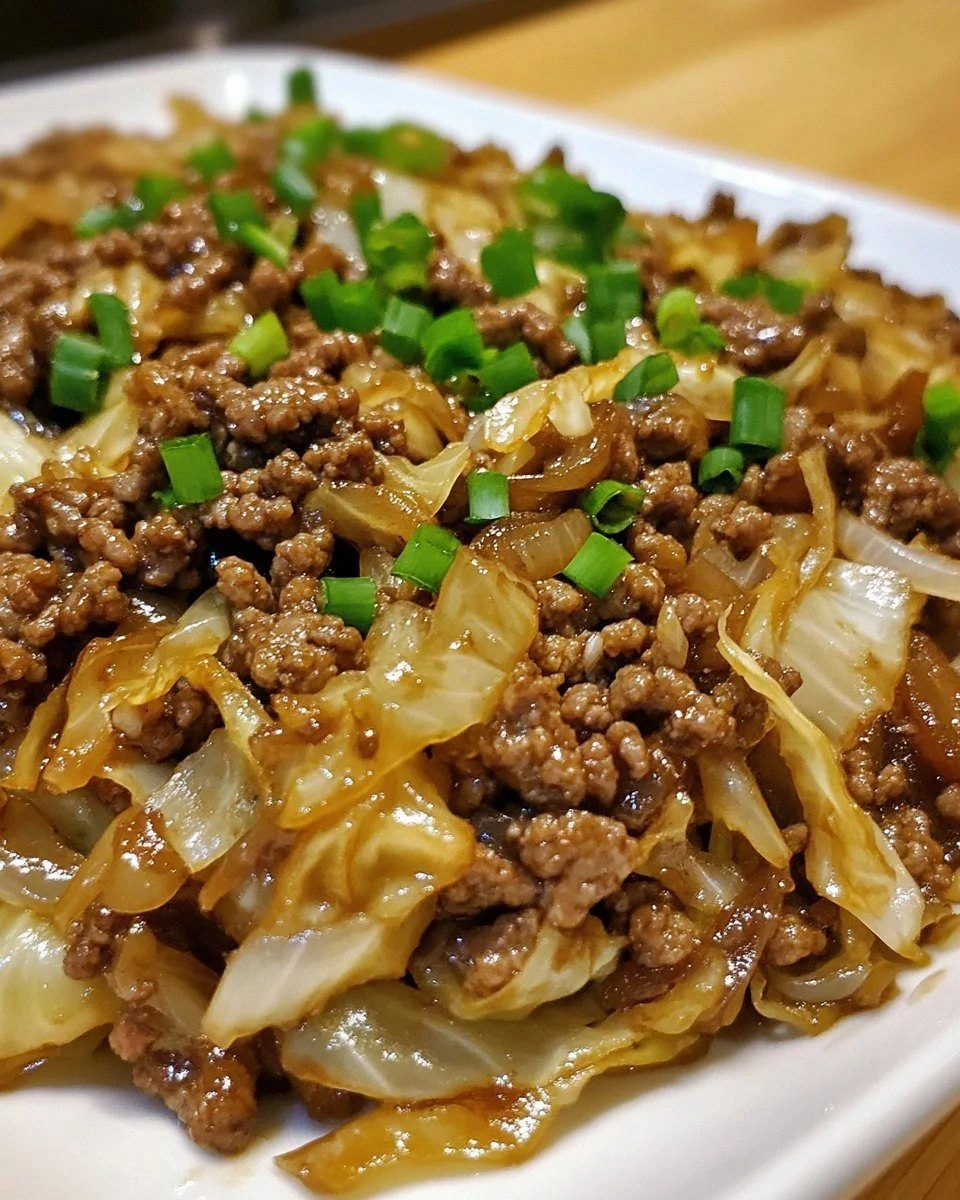
I was halfway through a marathon night of binge‑watching old kung‑fu movies when a sudden craving hit me like a roundhouse kick to the stomach. I wanted something that would satisfy that primal urge for umami without the carb overload that usually follows a take‑out order. I rummaged through the fridge, found a lonely slab of ground beef, a half‑head of cabbage, and a bottle of soy sauce that had been gathering dust for months. The moment I tossed those ingredients together, the kitchen filled with a scent that could have convinced a monk to break his fast.
Picture this: the sizzle of beef hitting a hot pan, the sweet‑savory steam curling up like a dragon’s breath, the cabbage crunching under the knife with a sound that reminded me of fresh snow under boots. My ears caught the faint hiss of sesame oil, my eyes watched the glossy sauce coat every morsel, and my hands felt the heat radiating from the skillet. The whole experience was a full‑body sensory overload that turned a simple weeknight dinner into a cinematic event. I could almost hear the gong of a distant temple as the flavors melded together.
Most Mongolian‑style ground beef recipes I’ve tried either drown the meat in sugar or drown the cabbage in a watery broth, leaving you with a soggy mess that feels like a bad sequel. This version, however, flips the script: we keep the carbs low, the sauce thick, and the crunch alive. The secret? A tiny splash of rice vinegar for brightness, a dash of cornstarch slurry to lock in moisture, and a strategic timing of the cabbage so it stays crisp yet tender. I dare you to taste this and not go back for seconds.
There’s also a surprise ingredient that most cooks overlook—a pinch of red pepper flakes that adds a whisper of heat without stealing the spotlight. This tiny heat wave dances with the soy and ginger, creating a flavor profile that’s both familiar and daring. I’ll be honest — I ate half the batch before anyone else got a chance to try it, and that’s a testament to how addictive this dish truly is. Let me walk you through every single step — by the end, you’ll wonder how you ever made it any other way.
What Makes This Version Stand Out
- Flavor Explosion: The combination of soy, ginger, and a splash of rice vinegar creates a sauce that clings to the beef like velvet, delivering a punch of umami with every bite.
- Texture Triumph: By adding the cabbage at just the right moment, you keep that satisfying crunch that most low‑carb versions lose.
- Simplicity: Only ten core ingredients are needed, and most of them are pantry staples, meaning you won’t need a specialty store run.
- Unique Twist: The secret red‑pepper‑flake finish adds a subtle heat that elevates the dish without overwhelming the palate.
- Crowd‑Pleaser: Even the kids in my house begged for seconds, proving that low‑carb doesn’t mean flavor‑less.
- Ingredient Quality: Using 80 % lean ground beef ensures juicy bites while keeping the fat content in check.
- Cooking Method: A high‑heat stir‑fry locks in juices, while the cornstarch slurry gives the sauce a glossy, restaurant‑style finish.
- Make‑Ahead Potential: This dish stores beautifully, and the flavors only deepen after a night in the fridge.
Inside the Ingredient List
The Flavor Base
Ground beef is the hero of this dish, providing a rich, meaty backbone that absorbs every aromatic note. I recommend an 80 % lean blend because the extra fat renders a silky sauce without turning greasy. If you skip the beef or substitute a leaner cut, you’ll lose that luxurious mouthfeel and the sauce may become thin.
Fresh ginger and garlic are the dynamic duo that give the dish its signature zing. Mince them finely so they release their essential oils quickly, creating a fragrant base that smells like a bustling street market in Beijing. If you’re out of fresh ginger, a teaspoon of ginger paste works, but the flavor won’t be as bright.
The Texture Crew
Cabbage is the unsung hero that brings crunch and a subtle sweetness. Shred it thinly so it cooks in just two minutes, preserving that satisfying snap. If you over‑cook it, the leaves wilt into a soggy mess that defeats the purpose of a low‑carb dish.
Sesame oil adds a nutty depth that lingers on the palate. A little goes a long way; too much can overpower the soy and turn the dish bitter. For a nut‑free version, swap with avocado oil, but you’ll miss that signature aroma.
The Unexpected Star
Red pepper flakes are the secret weapon that delivers a gentle heat without scorching the senses. Just a pinch awakens the taste buds and balances the savory soy. If you’re sensitive to spice, reduce the amount, but don’t eliminate it entirely—your dish will feel flat.
Rice vinegar adds acidity that cuts through the richness, brightening the overall profile. It’s the culinary equivalent of a well‑timed drum roll, giving the final dish a lift. Skip it, and the sauce can taste dull and overly salty.
The Final Flourish
A cornstarch slurry (1 tsp cornstarch mixed with 2 tbsp water) is the magic that gives the sauce its glossy, restaurant‑style sheen. It also helps the sauce cling to each piece of beef and cabbage, ensuring every bite is coated. If you’re gluten‑free, cornstarch is perfect; just don’t skip it, or you’ll end up with a watery glaze.
Green onions add a fresh, oniony bite that lifts the dish just before serving. Slice them thinly and sprinkle on at the end to keep their color vibrant. A common mistake is adding them too early, which wilts their flavor and turns them mushy.
Everything's prepped? Good. Let’s get into the real action...
The Method — Step by Step
Heat a large wok or skillet over medium‑high heat until a drop of water sizzles and evaporates instantly. Add the sesame oil, swirling it to coat the surface. When the oil shimmers, you’ll hear that unmistakable “fizz” that signals the pan is ready. Power transition: Okay, ready for the game‑changer?
Kitchen Hack: Use a thin spatula to spread the oil evenly; this prevents hot spots and ensures the beef browns uniformly.Add the ground beef, breaking it up with a wooden spoon. Let it sit untouched for about 30 seconds so it develops a caramelized crust before you stir. You’ll notice the edges turning deep brown and the aroma shifting from raw to roasted. This is the moment of truth—don’t rush it, or you’ll miss the Maillard reaction.
Stir in the minced garlic and ginger, cooking for another 45 seconds. The kitchen should now be perfumed with a heady, spicy perfume that makes your mouth water. If the garlic starts to brown too quickly, lower the heat a notch; burnt garlic brings bitterness.
Pour in the soy sauce, oyster sauce, and rice vinegar, scraping the pan bottom to release any browned bits. The mixture should bubble and thicken within a minute, coating the beef in a glossy glaze. Watch Out: Adding too much liquid will dilute the flavor—measure carefully.
Watch Out: If you over‑salt with soy sauce, the dish can become overly salty; consider using low‑sodium soy.Add the shredded cabbage, tossing quickly so it mixes with the sauce but retains its crunch. The cabbage should wilt just enough to release a faint steam, about 2‑3 minutes. You’ll see the color brighten, and the texture will stay firm—exactly what we want.
Stir in the red pepper flakes and black pepper, adjusting the heat level to your preference. The sauce should now have a subtle ruby hue, and the scent will become more complex, hinting at a gentle spice that lingers on the tongue.
Create a well in the center of the pan and drizzle the cornstarch slurry, stirring constantly to thicken the sauce. Within 30 seconds the sauce will reach a silky, coat‑the‑beef consistency that clings like a second skin. This step is pure magic.
Finish with a splash of sesame oil for extra aroma and sprinkle the sliced green onions over the top. Give the dish one final toss, then turn off the heat. The final garnish adds a fresh burst of color and a slight onion bite.
Transfer the mixture to a serving bowl, let it rest for a minute to allow the flavors to meld, then dive in. That sizzle when it hits the pan? Absolute perfection. That's it — you did it. But hold on, I've got a few more tricks that'll take this to another level...
Insider Tricks for Flawless Results
The Temperature Rule Nobody Follows
Never cook ground beef on low heat. High heat creates a caramelized crust that locks in juices. If you start low, the meat releases water, steams, and you end up with a soggy sauce. I once tried a “gentle simmer” and the dish turned into a mushy mess—lesson learned.
Why Your Nose Knows Best
When the garlic and ginger hit the oil, the kitchen will fill with a fragrant perfume. Trust that aroma as your cue to move to the next step. If you don’t smell the “toasty” notes, the aromatics haven’t released fully, and the flavor will be muted.
The 5‑Minute Rest That Changes Everything
After you finish cooking, let the dish sit off the heat for five minutes. This short rest allows the cornstarch to fully gelatinize, giving the sauce that glossy finish. Skipping this step results in a sauce that looks dull and separates on the plate.
Cabbage Timing is Everything
Add cabbage at the very end of the stir‑fry. Too early and it wilts; too late and it stays raw. The sweet‑crunch should be present in every bite, providing a textural contrast to the tender beef.
The Secret Sweetener Swap
If you crave a hint of sweetness without carbs, use a pinch of erythritol or monk fruit. It balances the saltiness of soy without adding sugar. I tried a version without any sweetener and the sauce tasted flat—this tiny addition makes all the difference.
Creative Twists and Variations
This recipe is a playground. Here are some of my favorite ways to switch things up:
Spicy Sichuan Swap
Replace red pepper flakes with a teaspoon of Sichuan peppercorn oil and add a dash of doubanjiang. The result is a numbing, tongue‑tingling version that will impress heat‑seekers.
Thai‑Inspired Coconut
Stir in a quarter cup of coconut milk and a splash of fish sauce. The creamy undertone pairs beautifully with the beef, turning the dish into a low‑carb Thai‑style stir‑fry.
Keto‑Friendly Bacon Boost
Crisp up half a cup of diced bacon and toss it in with the beef. The smoky crunch adds depth and makes the dish even richer, perfect for a weekend treat.
Veggie‑Packed Version
Add sliced bell peppers, snap peas, or shredded carrots alongside the cabbage. You’ll get extra color, texture, and a subtle sweetness that balances the savory base.
Garlic‑Lover’s Dream
Double the garlic and finish with a drizzle of garlic‑infused oil just before serving. The aromatic punch will make even the most skeptical garlic hater swoon.
Storing and Bringing It Back to Life
Fridge Storage
Let the dish cool to room temperature, then transfer it to an airtight container. It will keep for up to three days. When reheating, add a splash of water or broth to restore moisture, then stir over medium heat until steaming.
Freezer Friendly
Portion the cooled stir‑fry into freezer‑safe bags, removing as much air as possible. It freezes well for up to two months. Thaw overnight in the fridge, then reheat in a skillet with a tablespoon of water to revive the sauce.
Best Reheating Method
The stovetop wins every time. Heat a non‑stick pan over medium heat, add a teaspoon of sesame oil, and toss the leftovers until they’re hot and glossy. Microwaving can make the cabbage soggy, so avoid it if you crave that original crunch.