I remember the night I tried to make a quick dinner after a long shift, only to end up with a pot of over‑boiled macaroni that tasted like cardboard. I stared at the bowl, feeling a mix of disappointment and determination, and thought, “If I could turn this into something that feels like comfort, I’d be a culinary hero.” That moment sparked a mission: to craft the ultimate Macaroni & Cheese with Veggies that not only fixes the soggy pasta problem but elevates the dish into a creamy, colorful, family‑favorite masterpiece. The secret? A blend of fresh veggies, a velvety cheese sauce, and a subtle crunch that pops with every bite.
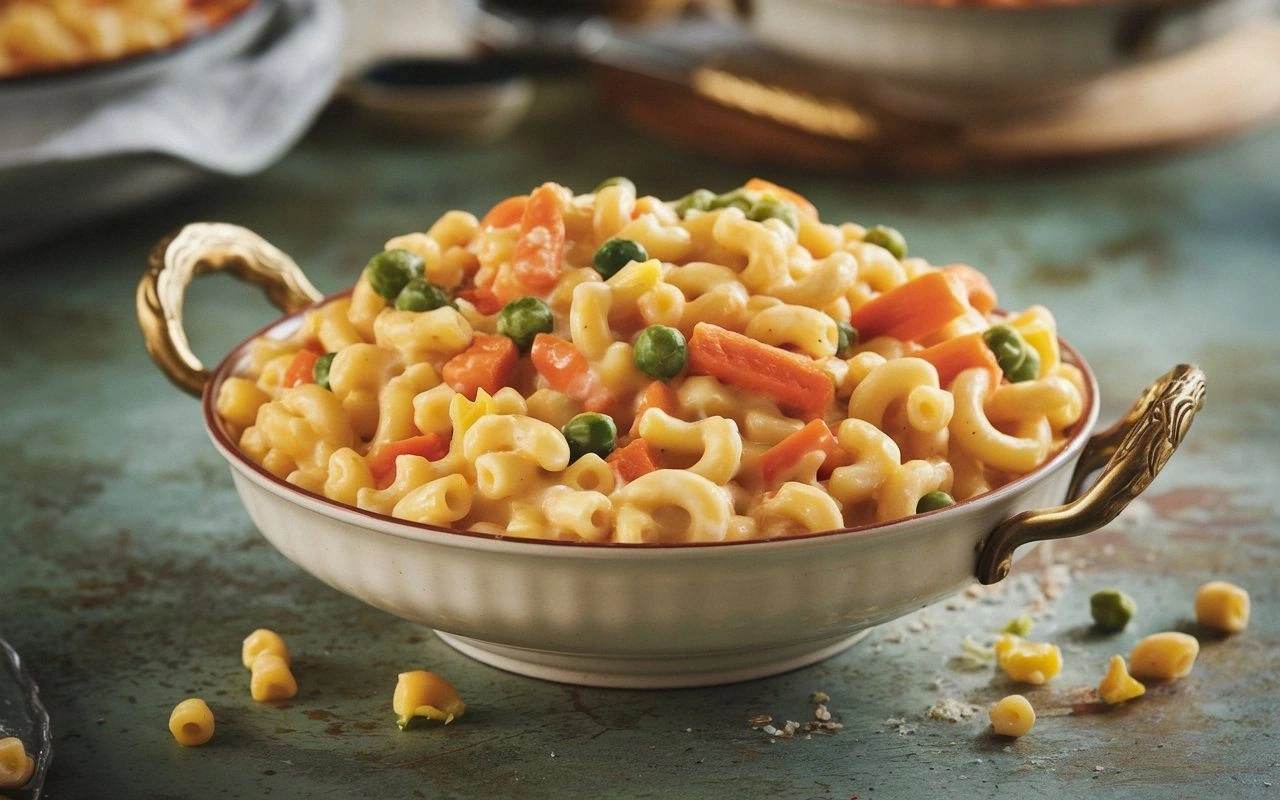
Picture the kitchen: the stovetop hisses, the air is thick with the aroma of butter melting and onions caramelizing, and the sound of a wooden spoon slapping a saucepan. You can almost taste the buttery tang of cheddar mingling with the earthy sweetness of roasted broccoli. The texture is a symphony—smooth, creamy sauce coating each noodle, contrasted by the bite of lightly sautéed carrots and peas that give a pleasant pop. The colors are vibrant: emerald green, sunshine yellow, and a golden crust that promises that first bite will be a revelation.
What makes this version stand out is that it’s not just a comfort dish; it’s a culinary experience that balances indulgence with wholesome nutrition. The sauce is thickened with a roux that gives it that silky finish, while the veggies are lightly blanched to retain crunch and nutrients. The cheese blend—sharp cheddar, creamy mozzarella, and a touch of Parmesan—creates depth of flavor that satisfies both kids and adults. And the breadcrumb topping adds a crunchy contrast that keeps the dish exciting.
I dare you to taste this and not go back for seconds. The first bite is so rich it feels like a hug, and the second bite is so satisfying that you’ll question why you ever settled for a plain mac. I’ll be honest—I ate half the batch before anyone else got to try it. Most recipes get this completely wrong by over‑cooking the pasta or using too much cheese, but here the sauce is perfectly balanced, the pasta al dente, and the veggies just shy of over‑soft.
What Makes This Version Stand Out
- Taste: The combination of sharp cheddar, creamy mozzarella, and nutty Parmesan delivers a layered flavor profile that feels both comforting and sophisticated.
- Texture: A velvety sauce that clings to each noodle, balanced by the slight crunch of toasted breadcrumbs and the tender bite of sautéed veggies.
- Simplicity: Only a handful of ingredients, all found in any pantry, yet the end result feels gourmet.
- Uniqueness: The use of a roux-based sauce instead of a béchamel gives the dish a richer mouthfeel and a deeper flavor.
- Crowd Reaction: Kids love the colorful veggies, adults appreciate the depth of cheese, and the breadcrumb topping satisfies the craving for texture.
- Ingredient Quality: Fresh, seasonal vegetables and high‑quality cheeses make the dish shine.
- Cooking Method: A single pot technique that minimizes cleanup while maximizing flavor.
- Make‑Ahead Potential: The dish can be assembled ahead of time and baked just before serving, making it ideal for busy evenings.
Inside the Ingredient List
The Flavor Base
The foundation of this dish is a classic roux—equal parts butter and flour cooked together until it turns a light golden hue. This not only thickens the sauce but also imparts a subtle nutty aroma that sets the stage for the cheeses. Skipping the roux would result in a watery sauce that clings poorly to the pasta; instead, the roux creates a silk‑like coating that feels luxurious on the palate.
Butter, the heart of the roux, should be unsalted so you can control the salt level later. If you’re watching sodium, consider using a low‑sodium butter or substituting a portion with olive oil for a slight fruity note.
The Texture Crew
Macaroni is the star of the show, but its role is amplified by how it’s cooked. Boil the pasta until it’s just shy of al dente—about 7 minutes for a standard 8‑oz box. Over‑cooking turns the noodles into mush that can’t hold the sauce. Drain and reserve a cup of pasta water; this starchy liquid is a secret weapon to adjust sauce consistency.
Breadcrumbs are the crunchy finale. Use panko for extra crispness or regular breadcrumbs for a more traditional texture. Toss them with a splash of melted butter and a pinch of paprika before sprinkling on top to create a golden, savory crust.
The Unexpected Star
Broccoli and carrots bring color and nutrition, but they also add a subtle sweetness that balances the sharpness of cheddar. Blanch the broccoli florets in boiling salted water for 2 minutes, then shock them in ice water to preserve their bright green hue. Carrots, sliced thinly, should be sautéed until just tender; this preserves their natural crunch and prevents them from becoming mushy.
Peas, fresh or frozen, add a pop of sweetness and a pop of color. If using frozen peas, thaw them quickly in hot water and squeeze out excess moisture to avoid diluting the sauce.
The Final Flourish
Mozzarella brings a creamy melt that softens the sharp cheddar, while Parmesan adds a nutty finish that lingers on the palate. The ratio of cheeses is critical: 2 cups of shredded cheddar, 1 cup of mozzarella, and ½ cup of Parmesan. If you’re vegan, substitute plant‑based cheeses that melt well, such as cashew or nutritional‑yeast blends.
Salt and pepper are the final seasoning steps—add a pinch of salt after the sauce thickens to avoid over‑salting the pasta, and finish with freshly cracked black pepper for a subtle heat.
Everything’s prepped? Good. Let’s get into the real action and turn this pot of ingredients into a creamy, veggie‑filled masterpiece.
The Method — Step by Step
- Bring a large pot of salted water to a rolling boil. Add the macaroni and cook for 7 minutes or until just shy of al dente. Drain, reserving a cup of pasta water, and set aside. This step is crucial—over‑cooked pasta will absorb the sauce and become mushy, ruining the dish’s texture.
- While the pasta cooks, heat a large, heavy‑bottomed skillet over medium heat. Add 2 tablespoons of unsalted butter and let it melt, swirling to coat the bottom. Once the butter is foamy, sprinkle 2 tablespoons of all‑purpose flour, stirring constantly to form a roux. Cook for 2 minutes until the mixture turns a light golden color, signaling that the raw flour taste has been cooked out.
- Slowly pour in 1½ cups of whole milk, whisking continuously to avoid lumps. The sauce should thicken within a minute. Add ½ cup of heavy cream for extra richness, then stir in 2 cups of shredded sharp cheddar. The cheese will melt into a smooth, velvety sauce that coats the noodles like velvet.
- Fold in 1 cup of sautéed broccoli florets, 1 cup of sautéed carrots, and ½ cup of peas. Stir until the veggies are evenly coated. The vegetables should retain a slight bite; they shouldn’t be soft or mushy.
- Add the drained macaroni to the skillet, tossing gently to combine. If the mixture looks dry, pour in a bit more of the reserved pasta water until the sauce coats the pasta evenly. Season with a pinch of salt and freshly cracked black pepper to taste.
- Transfer the mixture to a greased baking dish. Sprinkle the top with 1 cup of panko breadcrumbs, tossed with 2 tablespoons of melted butter and a pinch of paprika. This will create a golden, crunchy crust that contrasts with the creamy interior.
- Bake in a preheated 375°F (190°C) oven for 15–20 minutes, or until the top is golden brown and the sauce is bubbling. The oven’s dry heat will crisp the breadcrumb topping while keeping the interior moist.
- Let the dish rest for 5 minutes before serving. This allows the sauce to set slightly, making it easier to cut clean slices. Serve hot, and watch as the steam rises, filling your kitchen with that irresistible cheesy aroma.
That's it—you did it. But hold on, I've got a few more tricks that'll take this to another level, ensuring every bite is a triumph of flavor and texture.
Insider Tricks for Flawless Results
The Temperature Rule Nobody Follows
Cooking pasta at a rolling boil ensures even cooking, but the key is to remove it just before it reaches perfect al dente. Over‑cooked noodles become mushy and soak up too much sauce. I always keep a timer set for 7 minutes and taste a noodle; if it still has a slight bite, it’s ready.
Why Your Nose Knows Best
When the sauce is ready, it should emit a warm, buttery scent that makes you feel like you’re in a cozy kitchen. If the smell is too metallic or sour, it means the cheese has over‑cooked. Trust your nose to tell you when the sauce is perfectly thickened.
The 5‑Minute Rest That Changes Everything
After baking, let the dish sit for 5 minutes. This short rest allows the sauce to thicken, making it easier to cut clean slices without the cheese spilling everywhere. It also lets the flavors meld, giving the dish a richer taste.
Use Fresh Pasta Water Wisely
The starchy pasta water is a secret ingredient that helps the sauce cling to noodles. Add it gradually, tasting as you go. Too much water will thin the sauce, but a splash or two will make the coating silky.
The Breadcrumb Trick
Mix breadcrumbs with melted butter and a pinch of smoked paprika before sprinkling them on top. This creates a golden crust with a smoky undertone that elevates the dish from comfort food to culinary delight.
Creative Twists and Variations
This recipe is a playground. Here are some of my favorite ways to switch things up:
Smoky Chipotle Kick
Add 1 teaspoon of chipotle powder to the sauce for a smoky heat that pairs beautifully with the sweet veggies. This variation is perfect for those who love a little spice in their comfort food.
Mediterranean Medley
Swap broccoli and carrots for roasted cherry tomatoes, spinach, and olives. Finish with a sprinkle of feta cheese for a tangy, Mediterranean twist that feels fresh and summery.
Vegan Velvet
Replace dairy with a plant‑based milk and vegan cheese blend. Add a splash of nutritional yeast for a cheesy flavor. The result is a creamy, dairy‑free dish that still feels indulgent.
Breakfast Boost
Stir in a handful of chopped spinach and a handful of diced ham or bacon. Serve with a side of fresh fruit for a hearty breakfast that’s both comforting and nourishing.
Gourmet Truffle Touch
Drizzle a thin layer of truffle oil over the top before baking and finish with a sprinkle of grated Parmesan. The earthy aroma of truffle transforms the dish into a gourmet experience.
Spicy Cajun Twist
Add a tablespoon of Cajun seasoning to the roux and sprinkle some crushed red pepper flakes over the breadcrumb topping. The result is a bold, spicy version that’s great for dinner parties.
Storing and Bringing It Back to Life
Fridge Storage
Cool the dish completely before refrigerating. Store in an airtight container for up to 3 days. When reheating, add a splash of milk or water to restore the sauce’s creaminess.
Freezer Friendly
Wrap the baked dish tightly in foil or plastic wrap, then place it in a freezer‑safe container. Freeze for up to 2 months. Thaw overnight in the refrigerator before reheating.
Best Reheating Method
Reheat in a preheated oven at 350°F (175°C) for 15 minutes. If you want the breadcrumb topping crisp again, place the dish on a baking sheet and broil for 1–2 minutes. Add a tiny splash of water before reheating to keep the sauce from drying out.