Picture this: a midnight kitchen, the fridge humming, and a craving that feels like a dare. I was staring at a box of stale udon noodles, thinking, “Why not turn this into something extraordinary?” The scent of fresh mushrooms hit me like a revelation, and I knew I had to act. I pulled a handful of shiitake, button, and enoki, their earthy perfume dancing around the room. The sizzling anticipation was louder than any alarm clock, and I was ready to turn the ordinary into the extraordinary. Let’s dive in and discover why this version of mushroom udon is a game‑changing masterpiece.
First, I tossed the noodles into a pot of salted boiling water, watching them bob like eager dancers. As they softened, I set them aside, knowing that the real magic would happen in the wok. The pan was heated to a medium‑high blaze, a perfect stage for caramelizing the mushrooms. I sliced them thin, letting the moisture evaporate and the flavors deepen. The aroma that rose was rich, earthy, and utterly intoxicating, a promise of what’s to come. This simple yet crucial step sets the foundation for a sauce that will cling to every strand like velvet.
Next, I added a splash of vegetable oil, watching it shimmer before adding the sliced mushrooms. The pan hissed, a subtle soundtrack that signals the start of flavor building. I let the mushrooms brown, turning them golden brown, each turn a tiny ritual of transformation. The scent grew sweeter, almost caramel, as the mushrooms released their umami essence. I then introduced minced garlic and grated ginger, their sharpness cutting through the earthiness. Together, they create a fragrant base that feels like a secret handshake between flavors.
With the aromatics dancing, I poured in soy sauce and mirin, watching the liquid swirl and coat every mushroom slice. The combination of salty and sweet was a dynamic duo that elevates the dish beyond the ordinary. I added a dash of sesame oil for a nutty depth that lingers on the palate. A pinch of chili flakes followed, injecting a gentle heat that tingles without overpowering. I stirred the mixture, letting the sauce thicken into a glossy glaze. The pan was now a canvas ready for the noodles to join the party.
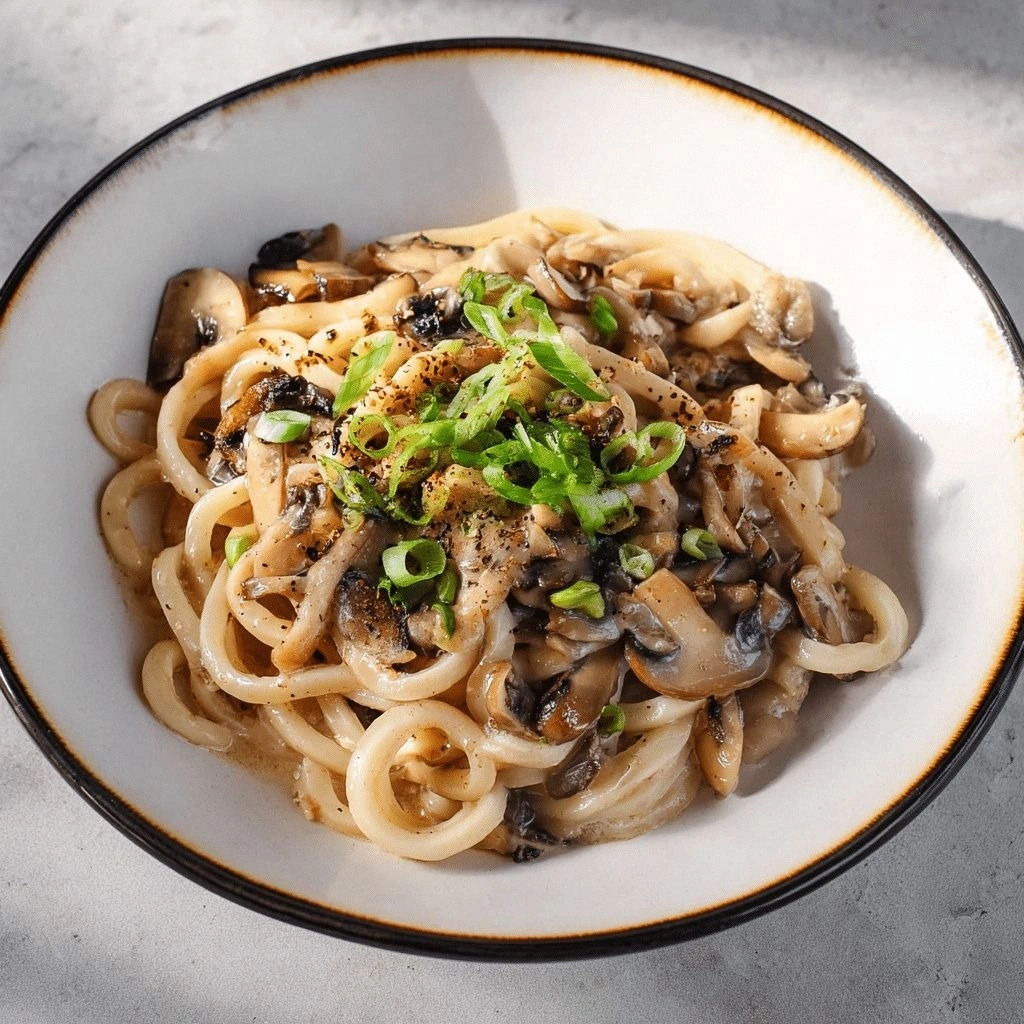
I tossed the cooked noodles into the wok, ensuring each strand soaked in the sauce, absorbing its complexity. I sprinkled sesame seeds, their crunch offering a delightful contrast to the tender noodles. I added chopped scallions, their bright green hue a pop of color that signals freshness. I tasted, adjusted seasoning with a pinch of salt, and felt the flavors harmonize. The final touch was a drizzle of extra sesame oil, giving the dish a glossy sheen that looks almost too good to eat. I plated the steaming bowl, ready to serve and ready to wow.
I was skeptical at first, but the first bite confirmed my suspicion: this is hands down the best version of mushroom udon you'll ever make at home. The noodles are silky, the sauce coats them like velvet, and the mushrooms are perfectly caramelized. The subtle heat from the chili flakes adds a layer of intrigue without masking the umami. I dare you to taste this and not go back for seconds, because the flavor will linger long after the last bite. Picture yourself pulling this out of the wok, the kitchen smelling incredible, and a crowd of friends gathering around. Let me walk you through every single step — by the end, you'll wonder how you ever made it any other way.
What Makes This Version Stand Out
- Umami: The combination of shiitake, button, and enoki mushrooms delivers a depth that no single mushroom can achieve alone. This layered umami elevates the dish beyond a simple stir‑fry. The result is a savory sauce that clings to noodles like a second skin.
- Texture: The noodles are cooked al dente, maintaining a firm bite that balances the tender mushrooms. The slight crunch of sesame seeds adds a delightful contrast. This interplay of textures keeps every mouthful interesting.
- Simplicity: With only a handful of ingredients, the recipe stays approachable for beginners and seasoned cooks alike. Each component plays a vital role, avoiding unnecessary clutter. The result is a dish that feels gourmet without the fuss.
- Heat Balance: The chili flakes provide a gentle warmth that complements the earthy flavors without overpowering them. This subtle heat invites a second bite and keeps the dish lively. It’s the perfect middle ground for those who love a touch of spice.
- Visual Appeal: The golden brown mushrooms, glossy sauce, and vibrant scallions create an inviting plate that looks as good as it tastes. A drizzle of sesame oil adds a glossy sheen that makes the dish Instagram‑ready. Presentation is a key part of the experience.
- Make‑Ahead Friendly: The sauce can be pre‑made and stored, and the noodles can be reheated with a splash of water to regain moisture. This makes the dish a convenient option for busy weeknights or potlucks. The flavors meld beautifully even after a short rest.
Inside the Ingredient List
The Flavor Base
Soy sauce and mirin form the backbone of this dish, marrying salty depth with subtle sweetness. The soy sauce provides a savory undertone that anchors the umami of the mushrooms, while mirin adds a gentle glaze that enhances the overall richness. Together, they create a sauce that coats the noodles and mushrooms in a glossy, flavorful coat. If you prefer a low‑sodium option, use a reduced‑sodium soy sauce and adjust the salt accordingly. The balance between these two liquids is key to achieving a harmonious flavor profile that feels both comforting and refined.
The Texture Crew
Udon noodles bring a chewy, satisfying bite that contrasts beautifully with the tender mushrooms. Cook them al dente to preserve a slight resistance that keeps the dish from becoming mushy. The sesame seeds add a subtle crunch, while the scallions contribute a bright, crisp note that lifts the overall dish. If you’re looking for a gluten‑free alternative, try shirataki noodles or rice noodles, but be aware that the texture will differ slightly. The careful layering of these textures ensures every spoonful is a delightful experience.
The Unexpected Star
The trio of shiitake, button, and enoki mushrooms brings an unexpected depth that elevates the entire dish. Shiitake offers a robust, earthy flavor, button mushrooms provide a mild, earthy base, and enoki adds a delicate, almost nutty nuance. When sautéed together, they create a complex umami tapestry that can’t be replicated by a single mushroom variety. This combination is what sets this recipe apart from the usual single‑mushroom stir‑fry. Their varied textures also contribute to a more dynamic mouthfeel.
The Final Flourish
Sesame oil and sesame seeds finish the dish with a nutty aroma and a subtle sheen. The sesame oil’s toasted flavor enhances the overall depth, while the seeds provide a satisfying crunch. A dash of chili flakes introduces a gentle heat that balances the earthy base. The scallions add a fresh, bright contrast that lifts the dish, making it feel complete. Together, these finishing touches elevate the dish from simple to sublime.
Everything's prepped? Good. Let's get into the real action...
The Method — Step by Step
- Bring a large pot of salted water to a rolling boil, then add the udon noodles and cook for 4–5 minutes until they’re al dente. Drain the noodles and rinse briefly under cold water to stop the cooking process. Set them aside on a clean towel so they don’t stick together. This step ensures the noodles retain their firm bite, a key element of the dish’s texture. Keep the noodles warm until you’re ready to combine them with the sauce.
- Heat one tablespoon of vegetable oil in a large wok or skillet over medium‑high heat until it shimmers but does not smoke. The oil’s brightness signals that the pan is ready to caramelize the mushrooms. Add the sliced mushrooms in a single layer to avoid overcrowding. Allow them to brown slowly, turning occasionally, until they’re golden brown and their moisture has evaporated. This caramelization deepens their flavor and creates a slightly crispy edge.
- Add the sliced mushrooms to the wok and sauté for 2–3 minutes, stirring frequently to prevent sticking. The mushrooms should emit a rich, earthy aroma that fills the kitchen. If you’re using a variety of mushrooms, keep them in the pan long enough for each type to release its unique flavor. The goal is a uniform, golden coating that will hold the sauce. Once done, set the pan aside for a moment before adding the aromatics.
- Push the mushrooms to one side of the pan, then add the minced garlic and grated ginger to the empty space. Sauté them for about 30 seconds until fragrant, taking care not to burn the garlic. The garlic will turn golden, while the ginger will release a bright, peppery aroma. This step prevents the garlic from becoming bitter and keeps the flavor profile balanced. The aroma at this point should be intoxicating, signaling that the sauce is ready to form.
- Pour in the soy sauce, mirin, sesame oil, and chili flakes, then stir to coat the mushrooms evenly. The sauce should begin to thicken and take on a glossy sheen. Let it simmer for 1 minute, allowing the flavors to meld. The soy and mirin will create a sweet‑salty glaze that clings to the mushrooms. The chili flakes add a gentle heat that balances the earthiness.
- Add the cooked udon noodles to the wok and toss gently to combine, ensuring each strand is coated with the sauce. The noodles should absorb the glaze, becoming glossy and flavorful. Stir for about 2 minutes, allowing the heat to distribute evenly. This step is crucial for achieving a cohesive dish where every bite has the same depth. Keep the wok on medium heat to prevent the noodles from sticking.
- Sprinkle the toasted sesame seeds and chopped scallions over the noodles, then stir to distribute evenly. Taste and adjust seasoning with a pinch of salt if needed. The sesame seeds add a subtle crunch, while the scallions contribute a fresh, bright note. This final stir ensures that every bite has a balanced flavor profile. The dish should now have a glossy, aromatic sheen that invites immediate consumption.
- Transfer the finished udon to serving bowls, drizzle a little extra sesame oil for shine, and garnish with additional scallions or chili flakes if desired. Serve immediately while the noodles are hot and the sauce is still glossy. Pair with pickled daikon or a light miso soup to balance the richness. The aroma of the dish should fill your kitchen, making everyone around the table eager to dig in. Remember, the best part of this recipe is how quickly it comes together.
- That’s it — you did it. But hold on, I've got a few more tricks that'll take this to another level. The next section will reveal insider tips that will elevate your dish from great to unforgettable.
Insider Tricks for Flawless Results
The Temperature Rule Nobody Follows
Many cooks assume that a high heat is always best, but in this recipe, controlling the temperature is key to preventing the noodles from becoming mushy. Keep the wok at medium heat while adding the noodles, allowing the sauce to thicken without scorching. If the heat is too high, the sauce can evaporate too quickly, leaving the noodles dry. A steady, moderate temperature ensures the noodles absorb the sauce evenly. This subtle control is what separates a good dish from a great one.
Why Your Nose Knows Best
The aroma of sautéed garlic and ginger is a reliable indicator of readiness. When the garlic turns golden and the ginger releases a bright scent, the pan is at the optimal point for adding the soy sauce. If you smell a burnt aroma, the pan has overheated, and the flavors will be compromised. Trust your nose to guide you through the cooking process, and you’ll avoid common pitfalls. This sensory check is a quick, foolproof way to maintain quality.
The 5‑Minute Rest That Changes Everything
After adding the sauce, let the mixture rest for five minutes before tossing in the noodles. This brief pause allows the flavors to meld and the sauce to thicken, creating a more cohesive coating on the mushrooms. It also prevents the noodles from sticking together as they absorb the sauce. A short rest is a simple trick that dramatically improves texture and taste. Try it next time for a noticeable difference.
The Secret of Toasted Sesame
Toasting sesame seeds before adding them to the dish unlocks a deeper, nuttier flavor that enhances the umami base. Heat the seeds in a dry pan over medium heat, stirring constantly until they turn golden and fragrant. Let them cool before sprinkling them over the finished dish. This small step adds a subtle crunch and a rich aroma that elevates the overall experience. The difference is subtle but unmistakable.
The Right Salt Balance
Using low‑sodium soy sauce and then adding a pinch of salt at the end allows you to control the overall saltiness of the dish. If you add too much salt early on, the final dish can taste flat. A small pinch at the end provides a bright, clean finish. This technique ensures the sauce remains balanced and the noodles don’t taste overly salty. It’s a simple adjustment that pays off in flavor.
The Quick Reheat Trick
When reheating leftovers, add a splash of water or broth to the pan before warming the noodles. The steam will help restore moisture without drying them out. Heat on medium, stirring until the sauce is heated through and glossy again. This method keeps the noodles tender and the sauce flavorful. It’s the perfect solution for busy days when you need a quick, satisfying meal.
Creative Twists and Variations
Protein Power
Add grilled tofu or sliced chicken breast to the dish for a protein boost. The protein’s savory flavor complements the umami of the mushrooms, making the dish more filling. Stir in the protein just before adding the noodles to keep it tender. This variation is perfect for a balanced, protein‑rich meal. The texture contrast between the soft tofu and chewy noodles is delightful.
Spicy Kick
Swap the chili flakes for fresh sliced jalapeños or a splash of sriracha for a more pronounced heat. The fresh heat will cut through the richness of the sauce, creating a vibrant, lively dish. Adjust the amount of chili to your tolerance level. This version is ideal for those who love a bold, fiery flavor. The dish becomes an exciting centerpiece for adventurous palates.
Herbal Freshness
Incorporate chopped cilantro or basil in place of scallions for an herbal twist. The fresh herbs add a bright, aromatic layer that pairs well with the earthy mushrooms. Stir them in at the end to preserve their flavor and color. This variation adds a tropical feel to the dish, making it feel like a vacation on a plate. The fresh herbs also enhance the visual appeal.
Citrus Glow
Finish the dish with a squeeze of fresh lime or yuzu juice to brighten the flavors. The citrus acidity cuts through the richness and adds a refreshing contrast. Add the citrus at the last minute to preserve its bright aroma. This version works wonderfully for summer evenings when you crave a lighter, brighter meal. The citrus note makes the dish feel fresh and revitalizing.
Mushroom Variety
Experiment with other mushroom varieties like portobello, oyster, or chanterelle. Each type brings a distinct flavor and texture, offering endless possibilities. Use a combination of mushrooms for a complex umami profile. Be mindful of cooking times; some mushrooms cook faster than others. This variation turns the dish into a culinary adventure, allowing you to explore new flavors.
Sauce Swap
Replace the soy sauce with tamari for a gluten‑free version or use coconut aminos for a sweeter, lower‑sodium alternative. The flavor profile will shift slightly, offering a different taste experience. Adjust the amount of mirin to balance the sweetness. This variation caters to dietary restrictions while maintaining the dish’s integrity. It’s a great way to keep the recipe fresh and inclusive.
Storing and Bringing It Back to Life
Fridge Storage
Store the cooked udon and sauce separately in airtight containers to keep the noodles from absorbing excess moisture. Keep the sauce in a small jar or container, and the noodles in a separate dish. When ready to serve, combine the noodles and sauce, then stir gently to coat. The dish will stay fresh for up to 48 hours in the refrigerator. This method preserves the texture and flavor, making it a convenient weeknight option.
Freezer Friendly
Freeze the sauce in a freezer‑safe container and the noodles in a separate bag. When reheating, thaw the sauce overnight in the fridge, then warm it gently on the stove. Add a splash of water or broth to loosen the sauce, then toss the noodles in to reheat. This keeps the noodles from becoming mushy and maintains the sauce’s glossy texture. The dish can be stored in the freezer for up to two weeks.
Best Reheating Method
Reheat the dish over medium heat, adding a splash of water or broth to create steam that restores moisture. Stir frequently to ensure even heating and prevent sticking. The sauce should regain its glossy sheen, and the noodles will stay tender. Serve immediately after reheating to enjoy the dish at its peak. This simple technique ensures your leftovers taste as good as freshly made.