It started with a kitchen mishap that could have been a disaster if I hadn’t been in the right frame of mind. I was halfway through a bland chicken stir‑fry, the sauce was too watery, the rice was clumping like a bad memory, and my friend dared me to turn it into something that would make her taste buds dance. I laughed, grabbed a jar of honey, a bulb of garlic, and a splash of soy sauce, and decided to give this one‑pot wonder a shot. The moment the honey hit the pan, a golden glow erupted, and the air filled with a sweet, savory perfume that felt like a promise of something extraordinary. That was the spark that lit my culinary curiosity: a dish that could be made in a single pot, yet deliver layers of flavor that rival any restaurant plate.
Imagine the sizzle as the chicken sears, the aroma of garlic caramelizing, and the gentle hiss of rice absorbing broth—each sound a cue that something delicious is unfolding. The texture transforms from dry to succulent as the honey thickens into a glossy glaze that coats the chicken like velvet. The finish is a harmonious blend of sweet, umami, and a subtle hint of spice that lingers on the palate. I dare you to taste this and not go back for seconds; the moment you bite, the flavors burst in a symphony that will make you forget all other chicken recipes. This isn’t just another dish; it’s a culinary revelation that will become your new go‑to comfort food.
What sets this version apart is the deliberate balance of ingredients and the method that locks in moisture while building depth. The honey isn’t just a sweetener; it’s a caramelizing agent that creates a glossy finish that sticks to every grain of rice and every bite of chicken. The garlic is minced finely so it distributes evenly, delivering a punch without overpowering the other notes. Soy sauce adds umami depth, but we use a low‑sodium version to keep the dish bright and not too salty. The rice is a long‑grain variety that stays fluffy, absorbing the sauce without becoming mushy. Each element is carefully chosen to contribute to a dish that is both simple to prepare and complex in flavor.
Picture yourself pulling this out of the pot, the kitchen smelling incredible, and the plate gleaming with a sweet glaze that glistens like honeycomb. The dish is so versatile that you can serve it over a bed of steamed broccoli or toss it with a fresh salad for a lighter option. And if you’re in a hurry, this one‑pot method saves you the hassle of multiple pans and cleanup. I’ve spent countless evenings experimenting, and this version emerged as the best, hands down, the definitive recipe you’ll ever make at home. Let me walk you through every single step—by the end, you’ll wonder how you ever made it any other way.
What Makes This Version Stand Out
- Flavor: The honey and garlic combo creates a caramelized glaze that coats each piece of chicken and rice, giving the dish a signature sweetness that’s balanced by the umami of soy sauce.
- Texture: The chicken stays juicy and tender, thanks to the slow simmer, while the rice remains fluffy and separate, avoiding the clumpy disaster many one‑pot dishes suffer from.
- Convenience: One pot, one pan, one cleanup—perfect for busy weeknights or a relaxed weekend cook‑along.
- Ingredient Quality: Using high‑quality honey, fresh garlic, and a good chicken stock elevates the dish from ordinary to extraordinary.
- Crowd‑Pleaser: The sweet‑savory profile appeals to both kids and adults, making it ideal for family dinners or potluck gatherings.
- Make‑Ahead Potential: It reheats beautifully; the glaze thickens, and the rice remains fluffy, so you can prepare it in advance for a hassle‑free meal.
- Visual Appeal: The glossy glaze gives a professional finish, turning a simple dinner into a restaurant‑style plate.
- Seasonal Flexibility: Though perfect in any season, adding fresh herbs like cilantro or green onions brightens it in spring and summer.
Alright, let's break down exactly what goes into this masterpiece...
Inside the Ingredient List
The Flavor Base
Honey is the star—its natural sugars caramelize beautifully when heated, creating that glossy coating that clings to the chicken and rice. A tablespoon of soy sauce adds depth without drowning the sweetness, so use low‑sodium to keep the dish bright. Fresh garlic minced finely ensures the flavor is distributed evenly, preventing any one bite from being overwhelmingly garlicky.
If you’re craving a bit of heat, a pinch of red pepper flakes can be folded in at the end of cooking. This subtle kick contrasts nicely with the sweet glaze, creating a balanced palate. Remember, honey’s sweetness can mask spices, so add heat gradually.
Should you skip honey, the dish loses its signature caramelization and glaze. The result will be a savory chicken and rice that lacks that glossy, sweet finish. You can substitute with maple syrup for a different nuance, but the flavor profile will shift slightly.
Buying tip: choose raw, unfiltered honey for the richest flavor and natural enzymes that help tenderize the chicken. Look for a honey with a darker hue; it usually indicates more robust flavor.
The Texture Crew
The chicken thighs, cut into bite‑size pieces, are ideal because they stay moist and flavorful even after simmering. Their higher fat content keeps the meat tender and juicy. If you prefer a leaner option, substitute with skinless chicken breasts, but watch the cooking time closely to avoid dryness.
Rice is the foundation of this dish. Long‑grain jasmine or basmati rice works best because it remains fluffy and doesn’t clump. Rinse the rice until the water runs clear to remove excess starch. This step is crucial for achieving that perfect separation of grains.
The broth—use a good quality chicken stock or even a vegetable broth for a lighter version—provides the liquid that cooks the rice and infuses it with flavor. A low‑sodium broth is recommended to keep the dish from becoming overly salty.
If you’re short on time, a quick sauté of the chicken before adding the rice can lock in juices and develop a better crust, but it adds a step. For a one‑pot approach, simply let the chicken sear in the pan before adding liquids.
The Unexpected Star
Fresh ginger, grated, adds a zesty brightness that cuts through the sweetness. Its subtle heat balances the honey, creating a layered flavor profile that keeps the dish from feeling cloying. A tablespoon is enough to provide a gentle kick.
Sesame seeds sprinkled on top at the end give a nutty crunch and a pop of color. They’re optional but elevate the dish’s presentation. If you’re avoiding sesame, you can add chopped fresh herbs like cilantro instead.
Green onions, sliced thinly, add a fresh, crisp element that contrasts the rich glaze. They also provide a visual cue of freshness. If you’re allergic to onions, replace with scallions or leeks for a milder flavor.
The Final Flourish
A splash of lime juice or a drizzle of rice vinegar at the end can brighten the dish, adding a subtle tartness that balances the sweetness. This step is optional but recommended for those who like a tangy finish.
If you’re feeling adventurous, a pinch of crushed red pepper flakes can give the dish a subtle heat that’s just enough to keep things interesting. Just remember to taste as you go.
Everything's prepped? Good. Let's get into the real action...
The Method — Step by Step
-
Heat a large, heavy‑bottomed pot over medium heat and drizzle in a tablespoon of olive oil. Let the oil heat until it shimmers, but not smoke—this is the first cue that you’re on the right track. Once the oil is hot, add the chicken pieces in a single layer, letting them sear on all sides. The goal is a golden brown crust that locks in juices before the sauce starts to form. When the chicken is browned, set it aside on a plate; you’ll return it to the pot later.
-
In the same pot, add the minced garlic and grated ginger. Sauté for about 30 seconds until fragrant, but watch closely to avoid burning. The aroma that fills the kitchen is your first indicator that the base is building. This step is crucial because the garlic and ginger set the flavor foundation for the rest of the dish.
-
Pour in the honey, soy sauce, and a splash of chicken broth. Stir everything together, scraping up any browned bits from the bottom of the pot—those are flavor gold. The mixture should bubble slightly and start to thicken into a glaze. Let it simmer for a minute so the sugars caramelize a little, giving the sauce depth.
-
Add the rice to the pot, stirring to coat each grain with the sauce. Then pour the remaining broth, ensuring the liquid is just enough to cover the rice. Bring the mixture to a gentle boil, then reduce the heat to low. Cover the pot with a tight‑fitting lid and let it simmer for 15 minutes. During this time, the rice will absorb the flavorful liquid and the sauce will thicken into a glossy coating.
-
After 15 minutes, check the rice. It should be tender and the liquid mostly absorbed. If it’s still a bit dry, add a tablespoon of water or broth and continue cooking for another 2–3 minutes. Once the rice is cooked, gently stir in the browned chicken pieces, ensuring they’re evenly distributed and coated with the glaze. This step reintroduces the protein and allows the flavors to meld.
-
This is the moment of truth—add the green onions, sesame seeds, and a splash of lime juice (if using). Stir gently to combine. The lime’s acidity brightens the dish, cutting through the sweetness. Let everything cook together for an additional 2 minutes to allow the flavors to marry.
-
Remove the pot from heat and let it sit, covered, for 5 minutes. This resting period allows the flavors to settle and the rice to steam to perfection. It also gives the glaze a chance to thicken slightly, making the dish glossy and appetizing.
-
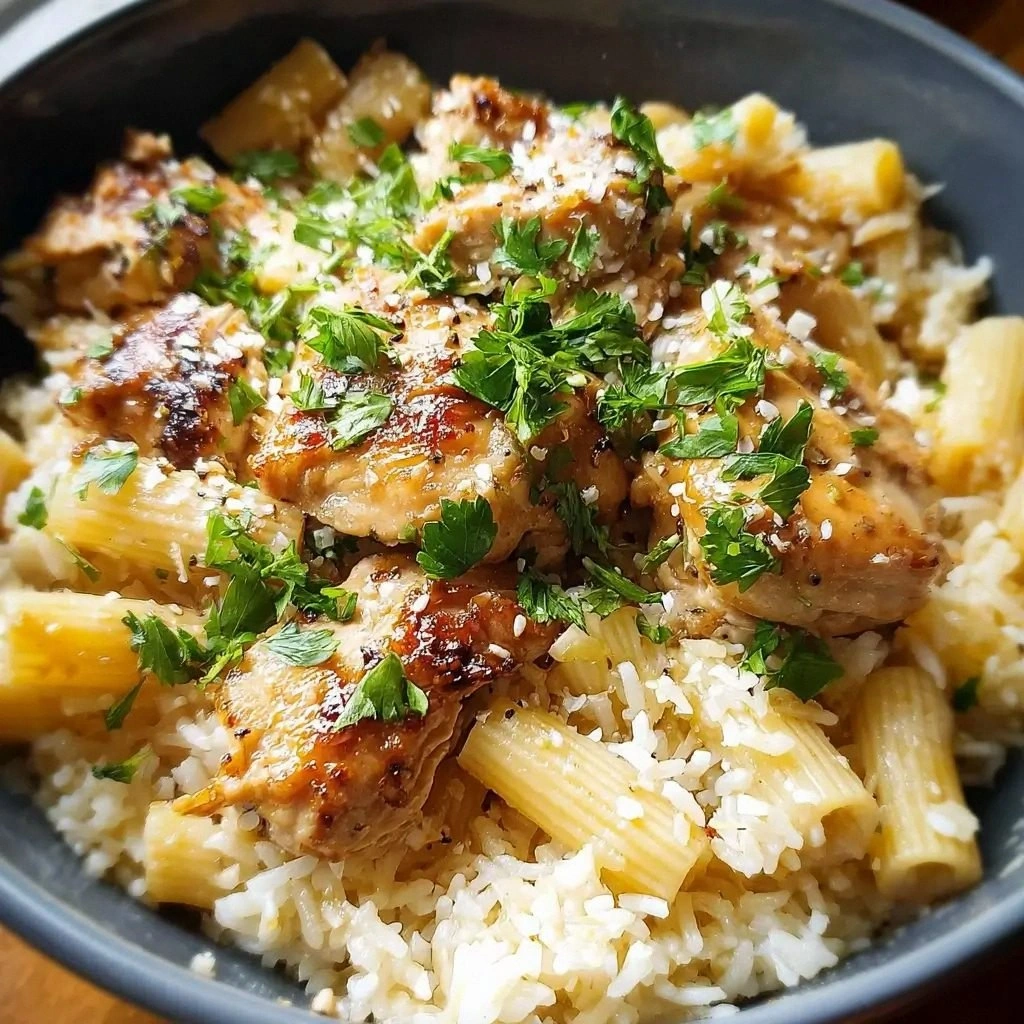
Serve hot straight from the pot, garnishing with extra sesame seeds or chopped cilantro if desired. The dish should look moist, with a shiny glaze that gleams on the rice and chicken. Pair it with a crisp green salad or steamed veggies for a balanced meal. Enjoy the symphony of sweet, savory, and a hint of spice in every bite.
That's it—you did it. But hold on, I've got a few more tricks that'll take this to another level: keep the glaze from thickening too much, add a splash of water before reheating, and experiment with different rice varieties for varied textures.
Insider Tricks for Flawless Results
The Temperature Rule Nobody Follows
Many cooks keep the heat high throughout, which can burn the honey and create a bitter taste. Instead, start with medium heat for searing, then drop to low once the sauce has formed. This approach prevents the sugars from burning and ensures a smooth, glossy glaze.
Why Your Nose Knows Best
The aroma of caramelizing honey is a reliable indicator that your glaze is developing correctly. When you smell a sweet, nutty scent, it means the sugars are beginning to caramelize. If the smell is overly sharp or burnt, pull the pot off the heat immediately.
The 5-Minute Rest That Changes Everything
After you remove the pot from the heat, let it sit covered for exactly five minutes. This resting period allows the steam to finish cooking the rice and the sauce to thicken to the perfect consistency. Skipping this step can result in a watery dish.
Use Fresh Garlic Over Minced
Freshly minced garlic releases more flavor than pre‑minced or powdered. It also provides a fresher, cleaner taste. If you’re in a hurry, a garlic press works well, but make sure to scrape the press clean to avoid leftover bits that can burn.
Add a Touch of Citrus at the End
A splash of lime or lemon juice brightens the dish and balances the sweetness. The acidity cuts through the rich glaze, giving the dish a fresh finish. Add it just before serving to preserve the bright flavor.
Creative Twists and Variations
This recipe is a playground. Here are some of my favorite ways to switch things up:
Citrus Burst Variation
Swap the lime juice for orange zest and a splash of orange juice. The citrus notes add a bright, tropical flavor that pairs wonderfully with the honey glaze. Serve over coconut rice for an extra island vibe.
Spicy Sriracha Kick
Fold in a tablespoon of sriracha sauce during the simmering stage for a spicy, sweet heat that’s perfect for those who love a little burn. The heat complements the honey and balances the richness.
Thai-Inspired Coconut Twist
Replace the chicken broth with coconut milk and add a pinch of curry powder. The result is a creamy, aromatic dish that feels like a Thai curry. Garnish with fresh cilantro and sliced red chilies for an extra pop.
Vegetarian Upgrade
Omit the chicken and add tofu cubes or tempeh. Marinate the protein in soy sauce and a splash of sesame oil before cooking. This version maintains the sweet glaze and delivers a satisfying, plant‑based meal.
Mediterranean Flair
Add a handful of sun‑dried tomatoes and a sprinkle of oregano during the simmer. The tomatoes bring a sweet, tangy burst while the oregano adds earthy depth. Finish with a drizzle of extra‑virgin olive oil for a classic Mediterranean finish.
Low-Carb Switch
Swap jasmine rice for cauliflower rice or shirataki noodles. The dish still holds the sweet glaze, and the lower carb count makes it suitable for keto or low‑carb diets. Keep the cooking time short to avoid over‑softening the cauliflower.
Storing and Bringing It Back to Life
Fridge Storage
Cool the dish completely before transferring it to an airtight container. Store in the refrigerator for up to three days. The glaze will thicken slightly, so a quick stir before reheating will restore its glossy shine.
Freezer Friendly
Divide the meal into single‑serving portions in freezer‑safe bags or containers. Freeze for up to two months. Thaw overnight in the fridge before reheating to ensure even heating.
Best Reheating Method
Reheat in a skillet over medium heat, adding a splash of water or broth to loosen the glaze. Stir frequently until heated through. The added liquid helps the sauce rehydrate and prevents it from drying out.