Picture this: you’re halfway through a busy week, the fridge is a mess of wilted lettuce and a lone half‑cooked shrimp, and your craving is a splash of citrus, a whisper of cilantro, and a buttery, green bite that feels like a vacation in a bowl. I was staring at that shrimp, wondering if I could salvage it into something that would make my taste buds sing. The moment I tossed it into a pan, the sizzle was the soundtrack to a culinary epiphany, and the aroma of lime and garlic drifted through the kitchen like a promise. That single sizzling moment was the spark that lit a fire in my cooking mind, and it turned a simple shrimp into the star of a dish that feels like a holiday in every bite.
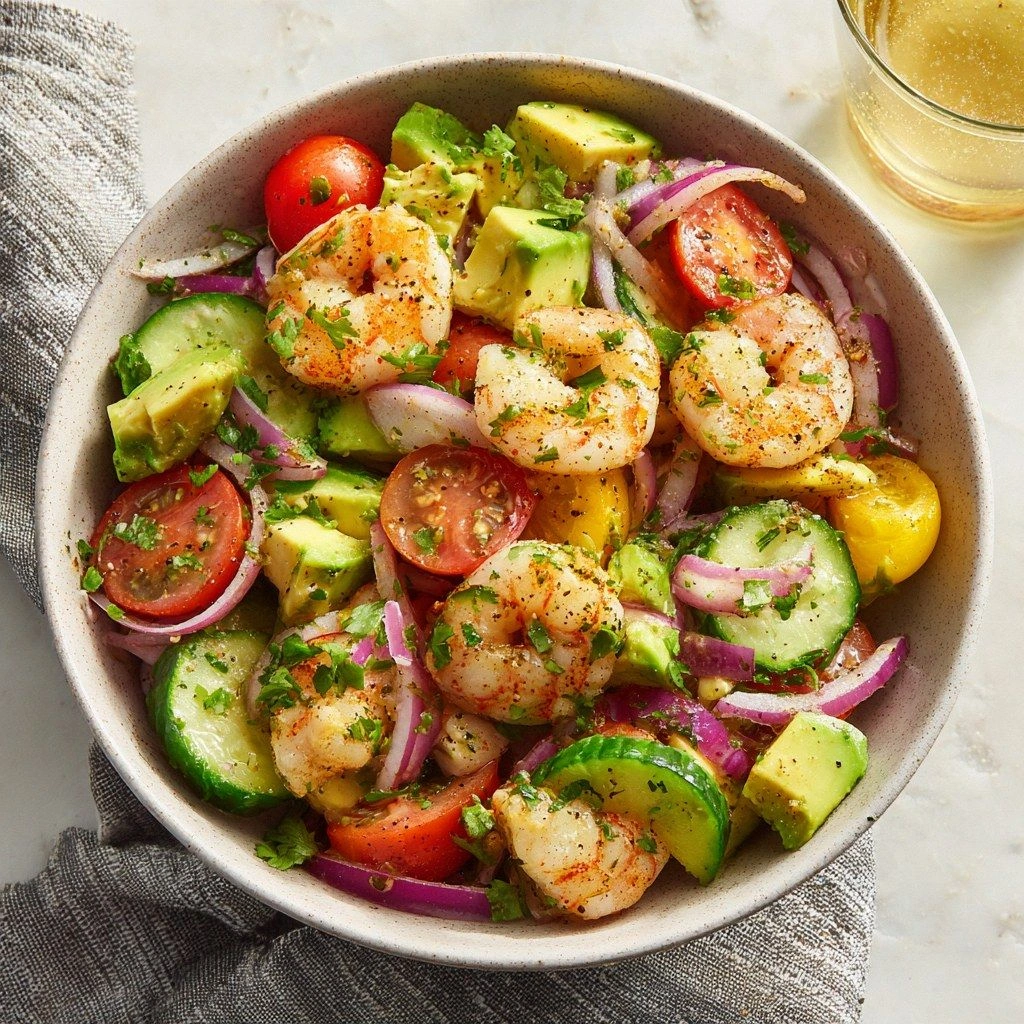
I swear, the first taste of that shrimp was like a bright summer breeze: fresh, zesty, and instantly refreshing. The avocado, sliced to silky perfection, added a creamy counterpoint that balanced the shrimp’s savory bite. The lime juice was the sweet‑tart kiss that lifted everything, while a splash of olive oil tied the flavors together into a smooth, velvety sauce that coats the bowl like a gentle blanket. And the crunch of cucumber and the sharp snap of red onion? They were the crisp, satisfying percussion that kept the dish lively and playful. If you’ve ever stared at a bowl of salad and thought, “This needs more excitement,” this is the answer.
What makes this version stand out isn’t just the combination of ingredients—it’s the way each element is elevated through technique and timing. I dare you to taste this and not go back for seconds; the flavors dance on your tongue and leave you craving the next bite. The shrimp is seared to a perfect golden‑brown crust, creating a slight caramelization that adds depth without overpowering. The avocado is diced just before serving so it stays fresh, bright, and not mushy. The lime is freshly squeezed, giving that bright, citrusy zing that cuts through the richness of the shrimp and avocado. And the cilantro adds a burst of green, a herbaceous freshness that elevates the entire dish.
I’ll be honest—after my first batch, I ate half the salad before anyone else could even taste a spoonful. That was a moment of pure, unapologetic culinary joy, and it proved that this isn’t just a salad; it’s a flavor revelation. The secret? A quick, high‑heat sear for the shrimp, a splash of lime juice right before tossing, and a pinch of salt that balances everything. If you’ve ever struggled with getting avocado to stay crisp, you’re not alone—this recipe has a fix that keeps it fresh. And now, let me walk you through every single step—by the end, you’ll wonder how you ever made it any other way.
Picture yourself pulling this out of the pan, the whole kitchen smelling incredible, and the vibrant colors of the ingredients calling out like a summer sunrise. The shrimp is already sizzling, the avocado is perfectly ripe, and the lime juice is ready to be added. The anticipation of that first bite is almost as delicious as the dish itself. The moment the flavors mingle, you’ll realize that this is hands down the best version you’ll ever make at home. Let’s dive into what makes this dish truly unforgettable.
What Makes This Version Stand Out
- Seared Perfection: The shrimp is seared at a high temperature, creating a caramelized crust that locks in moisture and adds a subtle crunch. This technique ensures every bite has a satisfying bite without becoming rubbery.
- Fresh Avocado: Diced just before serving, the avocado retains its bright green color and buttery texture. The result is a creamy contrast that balances the shrimp’s savory flavor.
- Lime’s Zesty Punch: Freshly squeezed lime juice provides a bright, citrusy lift that cuts through the richness of the shrimp and avocado, leaving a clean finish.
- Herbaceous Finish: A generous handful of cilantro adds a fresh, green note that brightens the dish and enhances the overall freshness.
- Crunchy Vegetables: Crisp cucumber and sharp red onion introduce a satisfying crunch that keeps the dish from feeling too soft or heavy.
- Balanced Fat Content: A light drizzle of olive oil ties the flavors together without overpowering the natural taste of the shrimp.
- Simple yet Elegant: The recipe uses only a handful of ingredients, yet the combination delivers a complex, layered flavor profile that feels like a gourmet experience.
- Make‑Ahead Friendly: The shrimp can be cooked ahead of time, and the salad can be assembled just before serving, making it ideal for entertaining or quick weeknight meals.
Inside the Ingredient List
The Flavor Base
The shrimp is the heart of this dish, and the key to its flavor lies in the sear. A high‑heat pan caramelizes the exterior, creating a depth that contrasts beautifully with the lightness of avocado. Skipping the sear means missing that subtle, sweet nuance that makes the shrimp pop. If you’re using frozen shrimp, thaw them in cold water to preserve texture; thawing in hot water can make them rubbery.
Lime juice is the bright, acidic backbone of the salad. It not only adds a zing but also helps to balance the richness of the avocado and the saltiness of the shrimp. A few drops of lime juice also act as a natural preservative, keeping the avocado from browning too quickly. If you’re out of limes, a splash of white wine vinegar can mimic the acidity, but the citrus flavor will be different.
The Texture Crew
Avocado is the creamy texture that grounds the dish. It’s crucial to use ripe, but not overripe, avocados to avoid a mushy consistency. The ideal avocado has a slight give when pressed lightly. Overripe avocados become too soft, losing that satisfying bite that makes each forkful memorable.
Cucumber adds a refreshing crunch that cuts through the richness. Slice it into thin rounds or dice it into small cubes to maximize the crunch. A pinch of salt on the cucumber helps draw out moisture, preventing sogginess. If you prefer a slightly sweeter crunch, consider adding a touch of honey or a splash of rice vinegar.
The Unexpected Star
Red onion provides a sharp, slightly sweet bite that balances the other flavors. Thinly sliced, it adds a subtle peppery note that complements the lime. If you’re sensitive to the bite of raw onion, blanch the slices in hot water for 30 seconds before draining to mellow the sharpness.
Cilantro is the green, herbaceous element that elevates the dish’s freshness. It’s a classic pairing with lime, but if cilantro isn’t your favorite, parsley or basil can be used as a substitute. The key is to add it just before serving to preserve its bright flavor.
The Final Flourish
Olive oil is the final touch that brings everything together. A drizzle of high‑quality extra‑virgin olive oil coats the ingredients, adding a silky smoothness. The oil also helps the lime’s acidity spread evenly across the bowl. If you’re looking for a lighter version, use a small amount of avocado oil for a subtle buttery note.
Salt and pepper are essential for bringing out the flavors. A pinch of sea salt enhances the shrimp’s umami, while freshly ground pepper adds a hint of heat. Be careful not to over‑salt; the shrimp’s natural saltiness can be enough. If you’re watching sodium, use a low‑sodium soy sauce or tamari instead.
Everything's prepped? Good. Let's get into the real action.
The Method — Step by Step
- Heat a large skillet over medium‑high heat until it’s shimmering. Add a splash of olive oil and let it swirl around the pan. The oil should shimmer but not smoke. This high heat is critical for a quick sear that locks in flavor.
- Pat the shrimp dry with a paper towel; moisture will prevent searing. Season both sides with a pinch of salt and pepper. Place the shrimp in the skillet in a single layer. Don’t overcrowd the pan—crowding lowers the temperature and results in steaming instead of searing.
- Sear the shrimp for about 2 minutes on the first side until it develops a golden‑brown crust. Flip gently with tongs. The second side should also turn golden, but only for 1.5 minutes. The shrimp should still be slightly pink inside; it will finish cooking in the next step.
- Remove the shrimp from the skillet and set aside. While still hot, transfer the shrimp to a plate lined with paper towels to drain excess oil. This keeps the shrimp crisp and ready for the next step.
- In a large bowl, combine diced avocado, cucumber, and red onion. Toss gently to mix. The avocado should stay firm; if it’s soft, it will become mushy. The cucumber and onion add crunch and freshness.
- Add the seared shrimp to the bowl. The shrimp should be hot, which helps the lime juice coat it evenly. The heat also releases the shrimp’s natural juices, adding depth to the dish.
- Squeeze fresh lime juice over the mixture. Drizzle the olive oil and sprinkle chopped cilantro. Toss everything together until the ingredients are evenly coated. The lime should coat the shrimp and avocado, creating a bright, cohesive flavor.
- Taste and adjust seasoning with a pinch more salt or pepper if needed. Let the salad sit for 2 minutes to allow the flavors to meld. This final resting period ensures every bite is balanced.
- Serve immediately over a bed of mixed greens or enjoy as a standalone dish. The salad’s bright colors and fresh flavors will impress any guest. A sprinkle of extra cilantro on top adds a final flourish.
That's it — you did it. But hold on, I've got a few more tricks that'll take this to another level.
Insider Tricks for Flawless Results
The Temperature Rule Nobody Follows
Many cooks think a low heat is best for shrimp, but a high‑heat sear is essential for flavor. The Maillard reaction creates a caramelized crust that locks in juices. If the pan is too hot, the shrimp will burn; too cool, and it will steam. Aim for a medium‑high setting and keep the skillet hot before adding the shrimp.
Why Your Nose Knows Best
The aroma of searing shrimp is the first indicator of perfection. When the shrimp starts to sizzle and the smell turns from raw to buttery, it’s time to flip. Trust your nose; it’s the fastest way to avoid over‑cooking.
The 5-Minute Rest That Changes Everything
After tossing the salad, let it rest for 5 minutes before serving. This brief pause allows the lime juice to penetrate the shrimp and avocado, creating a harmonious flavor profile. The rest also lets the heat from the shrimp distribute evenly throughout the salad.
The Freshness Factor
Use avocados that are firm yet give slightly under gentle pressure. Overripe avocados will turn mushy and lose their bright color. If you’re using frozen shrimp, thaw them in cold water to preserve texture.
The Perfect Oil Choice
Extra‑virgin olive oil adds a fruity note that complements the lime and cilantro. If you prefer a milder taste, use a neutral oil like grapeseed. The oil should coat each ingredient lightly, not pool.
The Salt Balance
Salt enhances flavor but can quickly overpower if overused. Start with a pinch, taste, and adjust. The shrimp’s natural saltiness will carry through, so you’ll rarely need much more.
Creative Twists and Variations
This recipe is a playground. Here are some of my favorite ways to switch things up:
Spicy Kick
Add diced jalapeño or a sprinkle of crushed red pepper to the salad. The heat will contrast the creamy avocado and add a bold, adventurous flavor. This variation is perfect for those who love a bit of spice in their meals.
Mediterranean Twist
Replace cilantro with fresh parsley and add a handful of kalamata olives. The briny olives bring a savory depth, while the parsley keeps the dish bright. Serve over a bed of quinoa for a more filling option.
Tropical Flair
Include diced mango or pineapple for a sweet, tropical note. The fruit pairs beautifully with lime and shrimp, creating a beach‑inspired flavor profile. This version is especially refreshing during summer.
Asian Influence
Swap olive oil for sesame oil and add a splash of soy sauce or tamari. Toss the salad with a pinch of toasted sesame seeds. The nutty sesame flavor adds an extra layer of complexity.
Pesto Power
Stir in a spoonful of basil pesto for a herbal, creamy twist. The pesto’s richness complements the shrimp, while the basil adds freshness. This variation works well with a side of crusty bread.
Protein Boost
Add grilled chicken or tofu cubes for an extra protein punch. The additional protein makes the dish more filling and suitable for a main course. Keep the seasoning consistent to maintain flavor harmony.
Storing and Bringing It Back to Life
Fridge Storage
Store the salad in an airtight container for up to 2 days. Keep the avocado separate until ready to serve to prevent browning. If you’ve pre‑mixed everything, drizzle a little olive oil on top to keep the avocado from drying out.
Freezer Friendly
The shrimp can be frozen for up to 3 months. Thaw in the fridge overnight and sauté briefly before adding to the salad. The avocado should be added fresh after thawing to maintain texture.
Best Reheating Method
If you’re reheating the shrimp, do so in a hot skillet for 1 minute on each side. Add a splash of water before reheating to keep the shrimp moist. A tiny splash of water steams the shrimp back to perfection without drying it out.