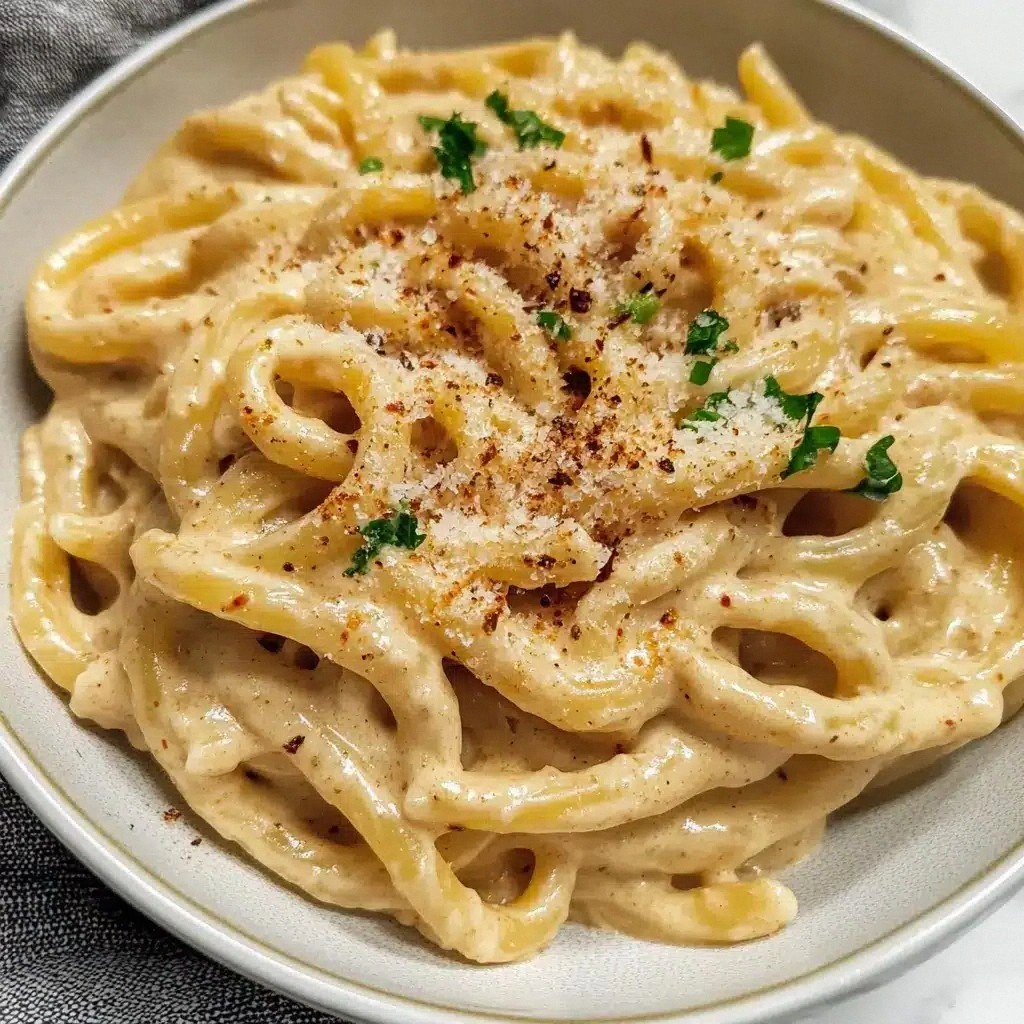
I remember the night I tried to impress my roommates with a fancy dinner and ended up with a kitchen that looked like a disaster zone. The oven was smoking, the sauce was thick as molasses, and the broccoli had turned to charcoal. I stared at the chaos, wondering if I had accidentally created a new culinary art form or just a tragic mess. In that moment, I vowed to find the perfect comfort dish that could be whipped up in minutes and still taste like it was made from scratch. That promise led me straight to the humble rotisserie chicken and a handful of pantry staples, and the result has become the ultimate version of this dish.
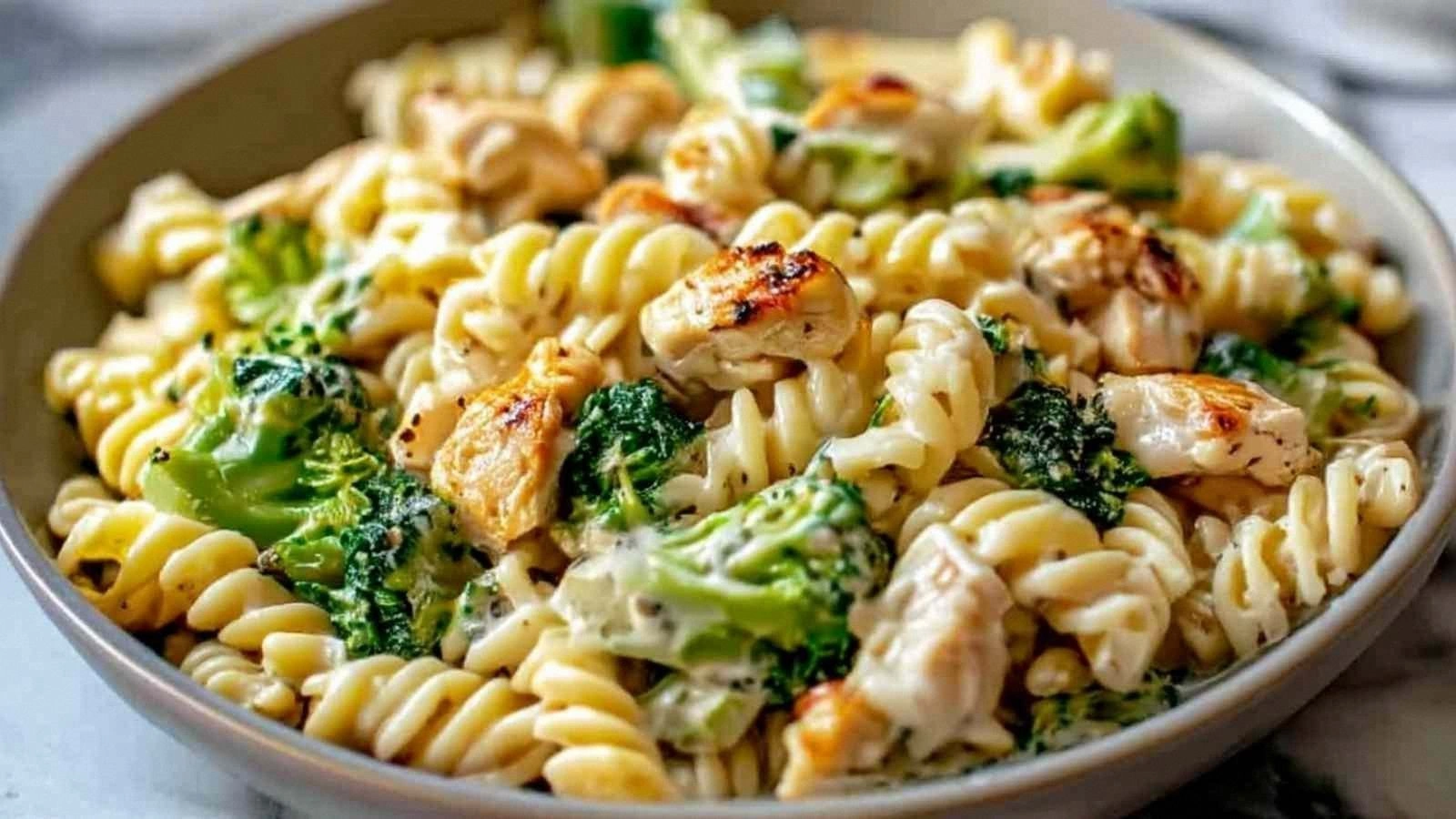
Picture this: a golden, buttery sauce swirling around al dente pasta, the broccoli florets glistening with a touch of garlic, and the melty cheddar and Parmesan coating each bite like a velvet blanket. The aroma that fills the kitchen is a symphony of savory, creamy, and a hint of heat from the red pepper flakes. As you take your first bite, the crunch of the broccoli gives way to a silky, cheesy sauce that coats the pasta with every twirl. The combination of rotisserie chicken, creamy sauce, and fresh veggies feels like a hug in a bowl, and I dare you to taste this and not go back for seconds. I swear, this is hands down the best version you'll ever make at home.
What sets this recipe apart from the countless pasta dishes that crowd the internet is that it takes a humble rotisserie chicken and transforms it into a creamy, cheesy, and slightly spicy masterpiece that feels both indulgent and wholesome. The sauce is thick enough to cling to every strand of pasta but light enough to keep the dish from feeling greasy. The broccoli is cooked just until tender, preserving its bright green color and a subtle crunch that contrasts perfectly with the velvety cheese. The dish is also incredibly forgiving, so even if you’re not a master chef, you’ll still end up with a crowd‑pleasing meal. I’ll be honest — I ate half the batch before anyone else got to try it, and I still felt guilty for not sharing more. That’s the kind of confidence you get when you know your recipe works like a charm.
And let’s talk about the secret weapon that makes this dish stand out: a simple yet powerful sauce that coats the pasta like velvet and melts into a comforting blanket of flavor. The sauce is built on a classic roux, but I’ve added a few twists that elevate it from ordinary to unforgettable. The result? A creamy, cheesy, slightly spicy pasta that feels like it was made in a Michelin‑star kitchen but can be whipped up in under 45 minutes. Picture yourself pulling this out of the oven, the whole kitchen smelling incredible, and the first bite melting your heart. Stay with me here — this is worth it.
What Makes This Version Stand Out
Below are the key reasons this recipe feels like a culinary revelation. Each bullet point starts with a bold keyword, followed by a quick explanation. These are the things that make the dish shine, from taste to technique to crowd-pleasing factor.
- Taste: The sauce marries savory, creamy, and a hint of heat from the red pepper flakes, creating a flavor profile that’s both comforting and exciting. The blend of sharp cheddar and Parmesan adds depth and a luxurious mouthfeel. The result is a dish that feels indulgent without being overbearing.
- Texture: The pasta is cooked al dente, giving it a satisfying bite that holds up against the thick sauce. The broccoli remains crisp-tender, adding a fresh crunch that cuts through the richness. The sauce clings to each strand like a silk ribbon.
- Simplicity: All you need is a rotisserie chicken and a few pantry staples; no fancy ingredients or complicated techniques. The recipe can be completed in under an hour, making it perfect for busy weeknights. The steps are straightforward, so even beginners can nail it.
- Uniqueness: The combination of rotisserie chicken, broccoli, and a creamy cheese sauce is a fresh take on classic pasta dishes. The use of a roux-based sauce gives it a professional touch, while the addition of garlic and red pepper flakes adds a subtle kick. This dish is a crowd-pleaser that stands out at the dinner table.
- Crowd Reaction: Friends and family rave about the creamy sauce and the burst of flavor from the chicken and broccoli. The dish is so comforting that it becomes a go-to for family dinners and casual gatherings. The recipe is easy enough for kids to help with, making it a family-friendly favorite.
- Ingredient Quality: Using a high-quality rotisserie chicken ensures a juicy, flavorful base. Fresh broccoli and sharp cheeses add depth and freshness. The combination of simple, quality ingredients elevates the dish to a new level.
- Cooking Method: The sauce is made with a classic roux, then enriched with milk, broth, and cheese for a silky finish. The broccoli is sautéed and then finished in the sauce, preserving its bright color and crunch. The final assembly is quick, ensuring the dish stays hot and flavorful.
Alright, let's break down exactly what goes into this masterpiece. The ingredients are simple, but each one plays a crucial role in the overall experience. I’ll walk you through every detail, so you’ll know exactly how to replicate this dish with confidence.
Inside the Ingredient List
The Flavor Base
The foundation of this dish starts with the rotisserie chicken. The chicken’s pre-cooked nature means you can pull it out of the fridge and shred it in minutes, saving you precious time. The smoky, seasoned meat brings depth to the sauce, creating a savory backbone that complements the cheese. If you’re feeling adventurous, you can add a splash of soy sauce to the chicken for a subtle umami twist. The texture of the shredded chicken should be tender but firm enough to hold its shape in the sauce.
The pasta is the canvas for all the flavors. I use a medium-thick spaghetti or fettuccine, but any shape that holds sauce well will do. Boiling the pasta until it’s just shy of al dente ensures it doesn’t become mushy when you mix it with the sauce. Salt the water generously; it’s the first step to seasoning the dish properly. After draining, toss the pasta with a little olive oil to prevent sticking, then set it aside until you’re ready to combine it with the sauce. The pasta’s job is to soak up the creamy, cheesy goodness.
Yellow onion adds a subtle sweetness that balances the richness of the cheese. Sauté the finely chopped onion until it’s translucent and slightly caramelized. This brings out its natural sugars, creating a gentle backdrop for the other flavors. If you’re short on time, you can use pre-chopped onion or even skip it; the dish will still shine. The onion’s mellow sweetness is a quiet hero in the sauce.
The next ingredient is garlic, the flavor powerhouse that elevates almost every dish. Mince the cloves finely so they release their aroma quickly. Garlic adds a depth of flavor that cuts through the richness of the cheese and butter. If you’re a garlic lover, feel free to double the amount; if you’re not, keep it to the minimum to avoid overpowering. Garlic is the secret that ties everything together.
The Texture Crew
Broccoli florets are the star of the vegetable section. Their bright green color and slightly crunchy texture provide a delightful contrast to the creamy sauce. Blanch the florets briefly before sautéing to preserve their color and firmness. If you prefer a softer broccoli, sauté them longer, but keep an eye on the texture to avoid mushiness. The broccoli’s mild bitterness balances the richness of the cheese.
Unsalted butter is the fat that creates a silky sauce. It also adds a subtle, nutty flavor that enhances the overall richness. Melt the butter over medium heat before adding the flour to create a roux. This step is crucial for thickening the sauce and preventing lumps. Butter’s buttery goodness keeps the sauce luscious.
All-purpose flour is the thickening agent that transforms the butter into a roux. Stir the flour into the melted butter until it forms a smooth paste. Cook the roux for a minute or two to eliminate the raw flour taste. This base is the foundation of the sauce, giving it body and stability. The roux ensures a creamy, velvety texture.
Whole milk adds moisture and a subtle sweetness to the sauce. Use 2 cups of milk to achieve a smooth consistency that coats the pasta. Warm the milk before adding it to the roux to prevent clumping. Milk also balances the richness of the cheese, creating a well-rounded flavor. The milk’s creaminess is a key component of the sauce’s luxurious mouthfeel.
The Unexpected Star
Low-sodium chicken broth adds depth and a savory undertone to the sauce. It’s a smart choice because it keeps the dish from becoming too salty, especially with the added cheeses. Use 1 cup of broth to thin the sauce just enough to coat the pasta without being too thin. The broth’s subtle flavor complements the chicken and cheese, creating a harmonious blend. This step is often overlooked but is essential for a balanced sauce.
Sharp cheddar cheese is the star of the cheese mix, offering a sharp, tangy flavor that cuts through the creaminess. Grate the cheddar finely to ensure it melts quickly and evenly. The cheddar’s sharpness adds a layer of complexity that elevates the dish. If you prefer a milder cheese, you can substitute with mozzarella, but the flavor profile will change. Cheddar is the bold, flavorful partner to the creamy sauce.
The Final Flourish
Parmesan cheese adds a salty, nutty finish that rounds out the dish. Grate it finely so it melts smoothly into the sauce. The Parmesan’s distinct flavor provides a savory counterpoint to the cheddar’s sharpness. A generous sprinkle of Parmesan on top before serving adds a satisfying crunch and a burst of umami. This final touch is what makes the dish feel complete.
The spices are the secret sauce that gives the dish its unique kick. A teaspoon of salt, half a teaspoon of black pepper, half a teaspoon of garlic powder, and a quarter teaspoon of red pepper flakes combine to create a balanced flavor profile. These spices bring depth, heat, and a subtle aroma to the dish. Adjust the heat level to your taste by increasing or decreasing the red pepper flakes. The spices are the finishing touch that turns a good dish into a great one.
The Secret Touch
The red pepper flakes add a gentle heat that wakes up the palate. They’re not too overpowering, just enough to give the dish a lively kick. If you’re a spice lover, feel free to add a pinch more for an extra punch. The flakes also add a subtle visual cue that the dish is ready to be devoured. They’re the little detail that elevates the dish from ordinary to extraordinary.
Now that everything’s prepped, it’s time to bring it all together. The key to this dish is the synergy between the creamy sauce, the tender chicken, and the crisp broccoli. Each component plays a vital role, and together they create a flavor profile that’s both comforting and exciting. Keep your eyes on the stove, and follow the steps closely, and you’ll end up with a dish that feels like a culinary masterpiece. Let’s dive in and get cooking.
The Method — Step by Step
- Begin by shredding the rotisserie chicken into bite‑sized pieces. Use a fork or your hands to break the meat into small chunks that will easily mix with the sauce. If the chicken is cold, let it sit at room temperature for a few minutes to soften. This step ensures the chicken cooks evenly and absorbs the sauce’s flavors. Keep the shredded chicken aside in a bowl.
- While the chicken is shredding, bring a large pot of salted water to a rolling boil. Add the pasta and cook until it’s just shy of al dente, about 8 minutes for most spaghetti. Stir occasionally to prevent sticking. Once the pasta is ready, drain it and immediately rinse it with cold water to stop the cooking process. Toss the pasta with a splash of olive oil so it doesn’t clump together.
- In a large skillet, melt the butter over medium heat. Once the butter is foaming, sprinkle in the flour and stir continuously with a wooden spoon. Cook the roux for 1‑2 minutes until it turns a light golden color, indicating that the raw flour taste has cooked out. This step creates a smooth, thickening base for the sauce. The aroma of the butter and flour should be warm and comforting.
- Gradually pour in the warm milk, whisking constantly to maintain a smooth consistency. Once the milk is fully incorporated, add the chicken broth and continue whisking. The mixture should thicken into a silky sauce that coats the back of a spoon. Let the sauce simmer for 3–4 minutes, allowing the flavors to meld. Keep an eye on the heat; you want a gentle simmer, not a rolling boil.
- Add the shredded chicken, broccoli florets, diced onion, minced garlic, and spices to the sauce. Stir until everything is evenly coated and the broccoli is just tender, about 5 minutes. The onions should soften and the garlic should release its aroma, filling the kitchen with a savory scent. Keep the heat moderate so the sauce doesn’t scorch. The mixture should look glossy and velvety.
- Reduce the heat to low and stir in the sharp cheddar cheese until it’s fully melted and integrated into the sauce. The sauce should be smooth, creamy, and slightly glossy. Let it cook for an additional 2 minutes, allowing the cheese to meld with the other flavors. The cheese will thicken the sauce further, creating a luscious coating for the pasta. Taste and adjust seasoning if needed.
- Add the grated Parmesan cheese and stir until it’s fully melted. This final cheese addition gives the dish a salty, nutty finish that balances the richness of the cheddar. Let the sauce simmer for another minute, just enough to let the Parmesan’s flavor bloom. The sauce should be thick enough to cling to the pasta but still pourable. This is the moment of truth.
- Combine the cooked pasta with the sauce in the skillet, tossing gently to coat each strand. Make sure every piece of pasta is enveloped in the creamy, cheesy sauce. The heat from the sauce will keep the pasta warm as you serve. Let it sit for a minute or two to allow the flavors to meld further. This step ensures a cohesive, satisfying dish.
- Transfer the pasta to a serving dish and sprinkle any remaining Parmesan on top. The final garnish adds a crunchy, nutty bite and an extra burst of flavor. Serve immediately, preferably while the dish is still steaming. The aroma of melted cheese and cooked broccoli will draw everyone to the table. That’s it — you did it. But hold on, I've got a few more tricks that'll take this to another level.
Insider Tricks for Flawless Results
The Temperature Rule Nobody Follows
Many chefs believe that a high heat is the key to a good sauce, but that’s a myth. The secret is to keep the sauce at a gentle simmer throughout the cooking process. A low temperature ensures the cheese melts evenly without curdling. It also allows the flavors to develop slowly, creating a richer, more harmonious sauce. I’ve seen countless dishes turn out unevenly when the heat is too high, so keep it low and steady.
Why Your Nose Knows Best
Before you taste the sauce, inhale deeply. The aroma of melted cheddar and sautéed onions is a reliable indicator of how well the dish is progressing. A pleasant, nutty scent means the sauce has reached its peak. If the smell is sharp or metallic, it’s a sign that the heat is too high or the cheese is starting to separate. Trust your nose; it’s a seasoned chef in disguise.
The 5-Minute Rest That Changes Everything
After you’ve finished cooking, let the dish rest for 5 minutes before serving. This brief pause allows the sauce to thicken slightly and the flavors to settle. The rest period also ensures the pasta remains moist and the cheese continues to melt into a velvety coating. If you’re in a hurry, skip this step, but the rest will elevate the dish from good to great.
Keep It Creamy Without the Grit
To avoid a gritty texture, whisk the sauce continuously while adding the milk and broth. This technique ensures the liquid is evenly distributed and the flour doesn’t form lumps. If you notice any lumps, strain the sauce through a fine sieve. A smooth sauce is the hallmark of a professional‑level dish, so pay attention to this detail.
The Secret to a Crispy Broccoli Finish
After sautéing the broccoli, finish it in the sauce for just a few minutes. This preserves its bright green color and slightly crunchy texture. If you prefer a softer broccoli, add it earlier in the cooking process, but keep an eye on the timing. The broccoli’s crispness provides a delightful contrast to the creamy sauce.
Serve It Hot, Serve It Right
Serve the pasta immediately while it’s steaming hot. The heat helps the cheese melt into a silky coating that clings to every strand. If you’re plating for a crowd, keep the dish warm in a low‑heat oven or a heat‑retaining serving dish. The dish’s flavor peaks when served hot, so don’t let it sit too long before eating.
Creative Twists and Variations
Spicy Cajun Kick
Swap the red pepper flakes for a tablespoon of Cajun seasoning. Add a pinch of smoked paprika for a smoky undertone. The result is a dish with bold, spicy notes that pair wonderfully with the creamy sauce. This variation is perfect for those who love a little heat in every bite.
Mediterranean Veggie Boost
Add a handful of sun‑dried tomatoes and a splash of olive oil to the sauce. Replace the broccoli with diced zucchini and bell peppers for a colorful, Mediterranean twist. The tomatoes bring a sweet, tangy flavor that balances the richness of the cheese. This version is a crowd‑pleaser at potlucks.
Pesto Power
Stir in a quarter cup of basil pesto after the cheese has melted. The herbal, garlicky flavor of pesto adds a fresh, vibrant note to the dish. The pesto also thickens the sauce slightly, giving it a glossy finish. This variation is ideal for those who love Italian flavors.
Mexican Street Taco
Replace the pasta with corn tortillas or taco shells. Add a handful of diced avocado, a squeeze of lime, and a sprinkle of fresh cilantro. The dish becomes a taco‑inspired plate that’s both creamy and refreshing. This twist is a playful way to enjoy the same flavors.
Lemon Herb Freshness
Add a tablespoon of lemon zest and a splash of fresh lemon juice to the sauce. Stir in chopped fresh parsley or dill for a bright, herbaceous finish. The lemon’s acidity cuts through the richness, creating a balanced flavor profile. This variation is perfect for spring or summer evenings.
Cheesy Mac Attack
Swap the pasta for elbow macaroni or penne. Increase the amount of cheddar and Parmesan to create a double‑cheesy masterpiece. Add a handful of breadcrumbs on top and broil for a minute to create a golden crust. This variation turns the dish into a hearty, comfort‑food classic.
Storing and Bringing It Back to Life
Fridge Storage
Store the leftovers in an airtight container in the refrigerator for up to 3 days. Keep the pasta and sauce separate if possible; reheat them together only when ready to serve. The sauce will thicken slightly in the fridge, so add a splash of milk or broth when reheating. This method preserves the flavor and texture for a quick meal later.
Freezer Friendly
Freeze the dish in a freezer‑safe container for up to 2 months. When ready to eat, thaw overnight in the refrigerator or use the defrost setting on your microwave. Reheat over low heat, stirring frequently, and add a splash of milk to restore creaminess. Freezing is a great way to have a ready‑made meal on hand.
Best Reheating Method
Reheat the dish on the stovetop over low heat, stirring constantly to prevent sticking. Add a splash of water or milk to loosen the sauce, and bring it to a gentle simmer. The key is to heat slowly so the cheese stays creamy and the pasta doesn’t dry out. Once hot, serve immediately for the best texture and flavor.