I was halfway through a midnight snack raid when the kitchen turned into a battlefield. I had a bag of stale tortilla chips, a jar of salsa that tasted like it had been stored in a forgotten pantry, and an empty fridge that looked like a barren wasteland. The moment the bag burst, the smell of burnt corn hit me, and I felt the urge to create something that would make my taste buds dance instead of sob. That was the spark that led me to reinvent the classic black bean burger, but with an avocado‑infused twist that will make your stomach sing.
Picture this: the kitchen lights flickering, the sound of a sizzling pan echoing like a drumbeat, and the aroma of cumin and smoked paprika swirling around the room. My eyes closed as I watched the mixture of mashed beans and quinoa bubble in the skillet, the edges turning a golden brown that looked like sunlit caramel. The texture was a surprising harmony—soft inside, with a subtle crunch from the corn and breadcrumbs that added a satisfying bite. When I took my first bite, the avocado on top melted into a silky sauce, coating the burger like velvet, while the tang of nutritional yeast gave it a savory depth that felt like a secret handshake between flavors.
What makes this version stand out is not just the combination of ingredients, but the intentional layering of flavors and textures that turns an ordinary vegan burger into a culinary masterpiece. It’s the balance of hearty beans, nutty quinoa, and the buttery smoothness of avocado that gives it a mouth‑watering finish. The use of smoked paprika and a hint of chili powder adds a smoky warmth that lingers, while the maple syrup provides a subtle sweetness that cuts through the savory richness. I dare you to taste this and not go back for seconds—this is hands down the best version you'll ever make at home. If you've ever struggled to make a vegan burger that doesn’t feel like a sad salad, this recipe is the fix you’ve been waiting for.
I’ll be honest—after I made the first batch, I ate half before anyone else got a chance to try it. Most recipes get this completely wrong by over‑cooking the beans or under‑seasoning the mix. Here’s what actually works: a balanced ratio of beans to grains, a dash of acidity, and a generous amount of avocado for moisture. Picture yourself pulling this out of the oven, the whole kitchen smelling incredible, the aroma of roasted corn and cumin drifting through the air. Okay, ready for the game‑changer? Let me walk you through every single step—by the end, you'll wonder how you ever made it any other way.
What Makes This Version Stand Out
- Taste: The boldness of smoked paprika and cumin creates a smoky, earthy base that is surprisingly complex, while the maple syrup adds a subtle caramel sweetness that balances the savory notes.
- Texture: The combination of quinoa and breadcrumbs provides a firm bite, and the avocado topping melts into a silky coating that keeps the burger moist and luxurious.
- Simplicity: With only a handful of pantry staples, you can whip up a gourmet burger in less than 45 minutes—perfect for a busy weeknight.
- Uniqueness: The inclusion of corn adds a pop of sweetness and crunch that sets this recipe apart from the typical bean‑only burger.
- Crowd Reaction: Friends who are skeptical about vegan food rave about the depth of flavor and the satisfying bite, making this a crowd‑pleaser at potlucks.
- Ingredient Quality: Using fresh, high‑quality ingredients—especially the avocado—transforms the dish from ordinary to extraordinary.
Inside the Ingredient List
The Flavor Base
The black beans are the heart of this burger, offering a creamy texture and a protein punch. They provide a neutral backdrop that lets the spices shine. If you skip them, the burger loses its body and becomes a dry, crumbly mess. Swap them for lentils if you’re looking for a different protein source; the flavor profile will shift subtly but remain delicious.
Corn kernels add a sweet pop and a satisfying crunch. Fresh corn gives a bright, juicy bite, while frozen corn is a convenient alternative that retains its sweetness when cooked. If you don’t have corn, diced bell pepper can provide a similar texture, though the flavor will change to a milder, sweeter note.
The onion and garlic form the aromatic foundation. Finely diced onion releases sweetness, while minced garlic adds depth. If you’re avoiding alliums, consider a pinch of asafoetida or a splash of onion powder for a milder flavor. These ingredients are essential for a well‑balanced taste; omitting them will leave the burger flat.
The quinoa adds a nutty flavor and a firm bite that complements the beans. It’s also a complete protein, ensuring the burger is nutritionally balanced. If quinoa is out of reach, bulgur or cooked brown rice can stand in; the texture will change slightly, but the overall structure remains intact.
Breadcrumbs serve as a binder, holding the patty together while adding a subtle crunch. Opt for whole‑grain breadcrumbs for added fiber, or use gluten‑free breadcrumbs if you’re avoiding gluten. Skipping breadcrumbs will result in a fragile patty that falls apart during cooking.
The oat flour acts as a gluten substitute, giving the burger a slight elasticity and preventing it from drying out. If you don’t have oat flour, a small amount of chickpea flour can work, though it will impart a slightly earthy taste. The flour also helps absorb excess moisture, ensuring the burger maintains its shape.
Tomato paste brings umami and a hint of acidity, enhancing the overall flavor. A splash of soy sauce or tamari adds depth and saltiness. If you’re avoiding soy, nutritional yeast can replace the umami, but the dish will be less savory.
Maple syrup introduces a touch of sweetness that balances the spices. If you prefer a less sweet version, reduce the syrup to a teaspoon or replace it with a small amount of agave nectar. This ingredient is optional but highly recommended for that caramelized finish.
Salt and pepper are the unsung heroes that bring everything together. A pinch of salt amplifies the flavors, while pepper adds a subtle heat. Don’t be afraid to season generously; the burger will be well‑seasoned once cooked.
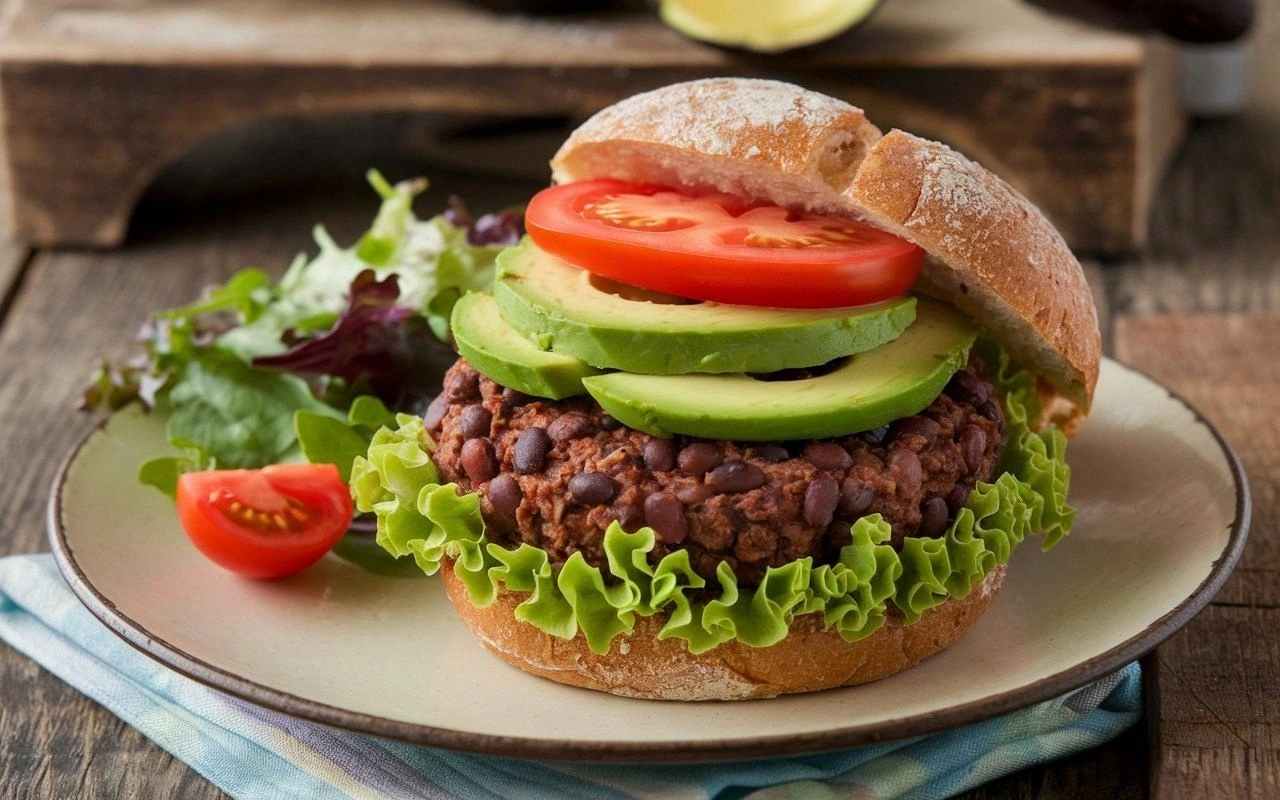
The avocado topping is the crowning glory, providing a buttery, creamy texture that melts into each bite. Slice it just before serving to keep it fresh and vibrant. If you’re vegan and want to keep the dish plant‑based, this is the perfect place to showcase the creamy goodness of avocado.
Everything’s prepped? Good. Let’s get into the real action.
The Method — Step by Step
- Step 1: Prepare the Base. In a large bowl, mash the black beans with a fork until they’re mostly smooth but still have a few lumps for texture. Add the cooked quinoa, corn, diced onion, and minced garlic, and stir until evenly distributed. This mixture should look like a thick, cohesive paste that clings to the bowl’s sides. If the mixture feels too dry, add a splash of water or vegetable broth, one tablespoon at a time, until the desired consistency is achieved.
- Step 2: Season the Mix. Sprinkle in the cumin, smoked paprika, and chili powder, and whisk until the spices are fully incorporated. Add the tomato paste, soy sauce, maple syrup, and nutritional yeast, and stir until the mixture becomes a uniform, fragrant batter. Taste and season with salt and pepper, adjusting to your preference. The aroma at this point should be intoxicating, hinting at the smoky, earthy flavors to come.
- Step 3: Bind the Patties. Fold in the breadcrumbs and oat flour, ensuring each component is evenly distributed. The mixture should be thick enough to hold its shape when formed into patties. For an extra layer of flavor, toast the breadcrumbs in a dry skillet until golden before adding them to the mix; this adds a subtle nuttiness that elevates the entire burger. Let the batter rest for 5 minutes; this allows the flour to hydrate and the flavors to meld.
- Step 4: Shape the Patties. Divide the mixture into four equal portions and form them into round, flat patties about 1.5 inches thick. Press the center of each patty slightly to prevent puffing during cooking. If you’re a perfectionist, use a burger press to get uniform thickness; otherwise, a simple hand‑shaped patty works just fine.
- Step 5: Preheat the Pan. Heat a non‑stick skillet over medium heat and add a splash of oil or a spray of cooking spray. Once the oil shimmers, place the patties in the pan, leaving enough space between them to avoid overcrowding. This step is crucial; a hot pan ensures a crisp exterior while keeping the interior moist.
- Step 6: Cook the Patties. Sear the patties for 3–4 minutes on the first side until a golden crust forms. Flip gently with a spatula and cook for another 3–4 minutes. The edges should pull away slightly from the pan, indicating a perfect sear. If you prefer a slightly charred finish, increase the heat for the last minute of cooking. The internal temperature should reach 165°F for safety, but you’ll know it’s done when the patty feels firm yet still slightly springy.
- Step 7: Toast the Buns. While the patties finish, split the whole wheat buns and toast them in a separate pan or in the oven at 350°F for 3 minutes, until lightly crisp. This step adds a buttery crunch that balances the softness of the patty and the creamy avocado.
- Step 8: Assemble the Burgers. Spread a thin layer of vegan mayo on the bottom bun, then add a generous slice of avocado. Place the hot patty on top, followed by a dollop of mustard and a spoonful of ketchup. Finally, cap with the top bun. The layering of flavors—smoky, sweet, tangy, and buttery—creates a harmonious explosion in each bite.
- Step 9: Serve and Enjoy. Plate the burgers with a side of sweet potato fries or a fresh green salad. The aroma of the freshly cooked patties will fill your kitchen, making the entire meal feel like a celebration. Take a bite and let the flavors unfold: the smoky base, the creamy avocado, and the sweet tang of the ketchup and mustard. That sizzle when it hits the pan? Absolute perfection.
That's it—you did it. But hold on, I've got a few more tricks that'll take this to another level. These insider tips will ensure your burgers come out perfectly every time, whether you’re a seasoned cook or a kitchen novice.
Insider Tricks for Flawless Results
The Temperature Rule Nobody Follows
Many people cook their vegan patties at a low heat, hoping to avoid burning. The truth is, a higher heat creates a caramelized crust that locks in moisture. Keep the skillet at medium‑high until the first side sears, then lower the heat to finish cooking. This technique results in a crisp exterior that doesn’t dry out the interior.
Why Your Nose Knows Best
Your sense of smell is a reliable indicator of doneness. When the patty emits a deep, nutty aroma and the edges begin to pull away from the pan, it’s time to flip. Trusting your nose saves you from overcooking or undercooking.
The 5-Minute Rest That Changes Everything
After cooking, let the patties rest on a cutting board for five minutes. This allows the juices to redistribute, ensuring each bite is juicy and flavorful. Skipping this step can lead to a dry burger that feels like a disappointment.
The Secret Ingredient Swap
If you’re craving a bit of heat, add a teaspoon of sriracha or a pinch of cayenne pepper to the mix. This gives the burger a kick without overwhelming the other flavors. Just remember to balance it with a touch of sweetness.
The Perfect Bun Trick
Toast the buns in the same skillet used for the patties to capture some of the leftover flavor. The toasting process also adds a slight crunch that contrasts beautifully with the soft patty. If you’re using a toaster, add a light brush of olive oil for extra crispness.
Creative Twists and Variations
This recipe is a playground. Here are some of my favorite ways to switch things up:
Chipotle Crunch Burger
Add a tablespoon of chipotle in adobo sauce to the mix for a smoky heat. Top with a slice of pepper jack cheese for a melty finish. This variation is perfect for those who love a bit of spice and a cheesy twist.
Mediterranean Delight
Replace the corn with diced sun‑dried tomatoes and stir in chopped kalamata olives. Finish with a drizzle of tahini sauce and a sprinkle of za’atar. The result is a Mediterranean‑inspired burger that’s both hearty and exotic.
Southwestern Fiesta
Add diced red bell pepper, a handful of cilantro, and a squeeze of lime juice to the mix. Top with a spoonful of guacamole and a dash of hot sauce. This version brings the flavors of a backyard barbecue to your plate.
Sweet Potato Smash
Replace the quinoa with mashed sweet potato for a naturally sweet base. Add a pinch of cinnamon for warmth and top with a dollop of coconut yogurt. This burger feels like dessert, yet it’s entirely savory.
Thai Fusion
Stir in a tablespoon of curry paste and a splash of coconut milk to the batter. Serve with a side of cucumber salad and a drizzle of lime‑coconut sauce. The result is a fragrant, aromatic burger that transports you straight to Thailand.
Gluten‑Free Upgrade
Swap the breadcrumbs for crushed gluten‑free crackers and use a gluten‑free flour blend instead of oat flour. This ensures the burger remains sturdy and flavorful while keeping it gluten‑free. Perfect for guests with dietary restrictions.
Storing and Bringing It Back to Life
Fridge Storage
Store the cooked patties in an airtight container in the refrigerator for up to 3 days. Keep the buns separate until ready to serve to avoid sogginess. When reheating, place the patties in a skillet over medium heat for 2–3 minutes on each side.
Freezer Friendly
Wrap each patty individually in parchment paper and place them in a freezer bag. Store for up to 2 months. To thaw, let them sit at room temperature for 30 minutes or microwave on low for 1 minute, then finish cooking in a skillet.
Best Reheating Method
Add a tiny splash of water to the skillet before reheating; it steams the patty back to perfection, preserving moisture and flavor. Finish with a quick toast of the buns to regain that desirable crunch. The result is a burger that tastes almost as good as freshly made.