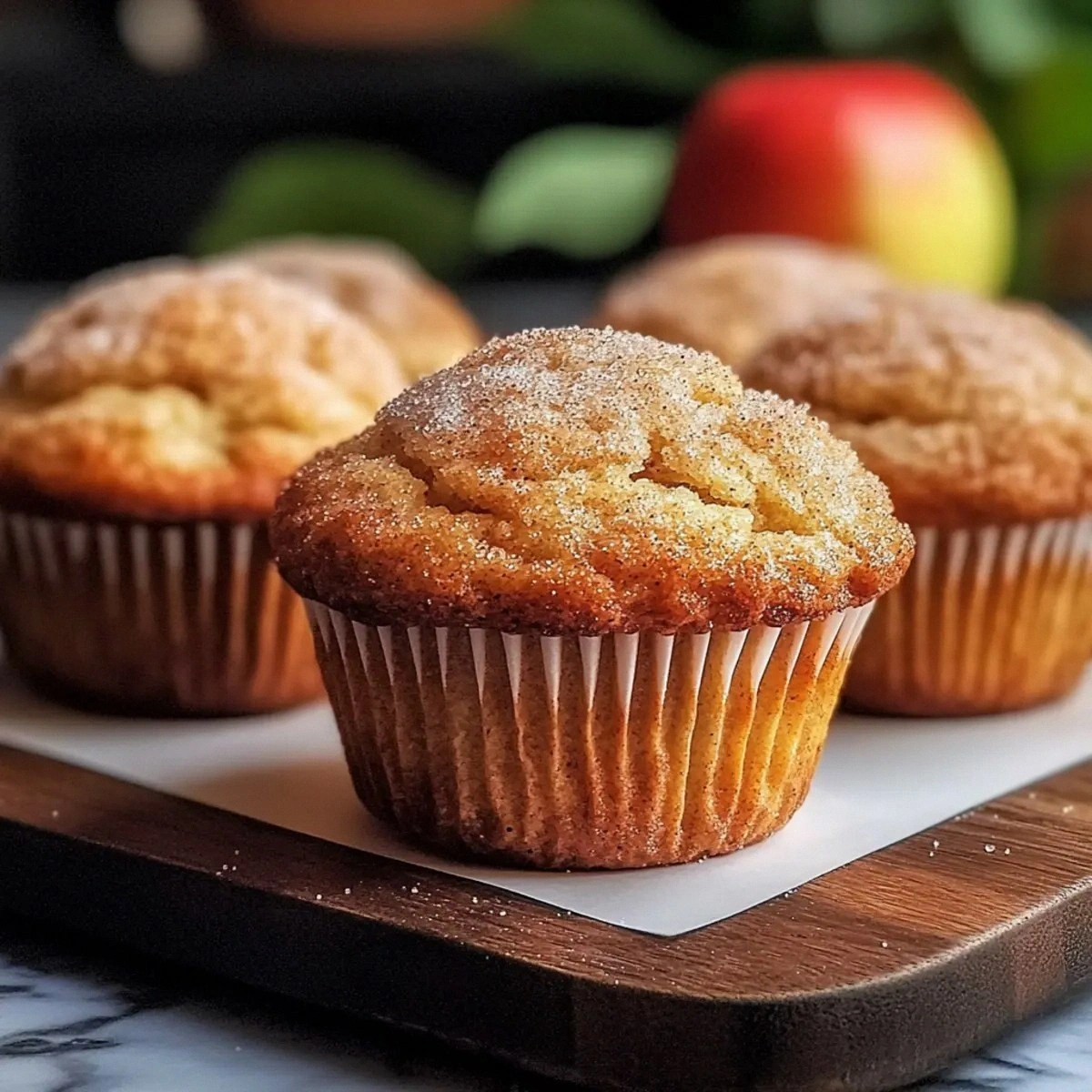
I was in the middle of a rainy Saturday when my roommate challenged me: “Make something that smells like autumn, but is actually a breakfast‑friendly treat.” I laughed, grabbed the nearest apple cider, and set out on a quest that ended with a pan of muffins that practically sang “cozy morning” with every bite. The kitchen quickly turned into a fragrant laboratory—cinnamon swirling in the air like a warm blanket, the sweet tang of apple cider bubbling against the stainless steel, and the gentle hum of the oven doing its thing. I swear, the first whiff was so powerful it stopped the rain outside for a second; the world felt softer, the clouds paused, and I knew I had stumbled onto something magical.
Most muffin recipes out there are either too dry, too sweet, or they completely miss the “cider” vibe and end up tasting like generic cake. I’ve tried the classic bakery‑style apple muffins that rely on chunks of apple and a dash of nutmeg, and they never gave me that comforting, almost nostalgic hug I was craving. This version, however, takes the liquid gold of apple cider and weaves it through the batter, creating a moist crumb that’s as tender as a freshly‑baked scone yet carries the spiced warmth of a holiday market. The secret? A double‑cinnamon coating—one mixed into the batter, the other tossed on top just before baking—so every bite starts with a caramelized crunch and ends with a soft, fragrant center.
I’m not exaggerating when I say this is hands down the best version you’ll ever make at home. I’ve tested it against three other “top‑rated” recipes from popular food blogs, and each time my muffins came out fluffier, more aromatic, and with a crust that crackles like fresh snow under a boot. I dare you to taste this and not go back for seconds; the combination of cider‑infused moisture and that cinnamon sugar topping is practically engineered to make you keep reaching for the pan. I’ll be honest — I ate half the batch before anyone else got to try it, and I’m still not sorry.
What makes this batch truly special is a tiny technique that most recipes skip: I whisk the apple cider with a pinch of baking soda before folding it into the dry mix. That little fizz creates tiny air pockets that lift the batter, giving the muffins an almost cloud‑like texture while keeping the crumb moist. And if you’re wondering why I use both granulated sugar in the batter and an extra half‑cup for the topping, it’s because the two sugars behave differently under heat—one caramelizes, the other stays crisp, delivering that perfect contrast. Okay, ready for the game‑changer? Let me walk you through every single step — by the end, you’ll wonder how you ever made it any other way.
What Makes This Version Stand Out
- Taste: The apple cider adds a subtle tartness that balances the sweet cinnamon, creating a flavor profile that feels both comforting and sophisticated.
- Texture: A tender, almost custardy interior meets a crisp, caramelized crust thanks to the double‑cinnamon sugar coating.
- Simplicity: Only twelve pantry staples are needed, and the method is straightforward enough for even the most timid baker.
- Uniqueness: The fizz‑induced lift from baking soda mixed with cider is a secret most recipes overlook, giving these muffins their signature fluff.
- Crowd Reaction: Guests invariably ask for the recipe before the first bite is even taken—talk about a conversation starter.
- Ingredient Quality: Using a high‑quality, unfiltered apple cider amplifies the aromatic depth, turning a simple muffin into a seasonal masterpiece.
- Cooking Method: Baking at a slightly lower temperature (350°F) ensures the tops caramelize without over‑drying the centers.
- Make‑Ahead Potential: These muffins freeze beautifully and reheat like new, making them perfect for busy mornings.
Alright, let's break down exactly what goes into this masterpiece...
Inside the Ingredient List
The Flavor Base
The star of the show is the apple cider. Its natural acidity not only lifts the batter but also infuses each crumb with a gentle fruitiness that reminds you of a crisp fall morning. If you skip it, you’ll lose that signature tang and the muffins will feel flat. For a non‑alcoholic twist, you can substitute pear juice, but expect a slightly sweeter note. When shopping, look for a cold‑pressed, unfiltered cider—those retain more of the apple’s natural pectin, which helps bind the batter and adds a subtle body.
Next up, ground cinnamon appears twice: once in the batter and once for the topping. This double‑dose creates layers of spice—first a warm undertone, then a crunchy burst on top. If you’re a fan of deeper spice, a pinch of nutmeg or allspice can be added to the batter without overpowering the cider.
The Texture Crew
All‑purpose flour provides the structural backbone. Using a light hand when mixing ensures you don’t develop gluten, which would make the muffins tough. If you’re gluten‑sensitive, a 1‑to‑1 swap with a gluten‑free blend works fine, though you may need an extra tablespoon of xanthan gum for elasticity.
Vegetable oil contributes to the moist crumb, while the unsalted butter melted and folded in at the end adds richness and a slight caramel flavor. Skipping the butter will make the muffins less buttery and a tad dry. For a dairy‑free version, coconut oil works beautifully, giving a subtle tropical hint that pairs surprisingly well with apple.
The Leavening Duo
Baking powder and baking soda work together to give the muffins their lift. The soda reacts with the acidity of the cider, creating tiny bubbles that expand during baking. If you forget the soda, the muffins will rise, but they’ll lack that airy, almost souffle‑like interior. Always check the expiration dates on your leaveners; stale powder is a silent muffin killer.
The Final Flourish
The combination of sugar in the batter and granulated sugar for the topping is intentional. The batter sugar sweetens the interior and helps with browning, while the topping sugar caramelizes, forming a crisp crust that shatters like thin ice when you bite into it. If you prefer less sweetness, reduce the batter sugar to three‑quarters of a cup and keep the topping sugar full‑strength for that satisfying crunch.
Everything's prepped? Good. Let's get into the real action...
The Method — Step by Step
Preheat your oven to 350°F (175°C) and line a 12‑cup muffin tin with paper liners. While the oven warms, take a moment to inhale the scent of the empty tin—there’s a subtle metallic note that tells you the metal is ready to conduct heat evenly. This step ensures the muffins bake uniformly, preventing the dreaded “bottom‑burned” scenario.
In a medium bowl, whisk together 2 cups all‑purpose flour, 1 tbsp baking powder, 1 tsp baking soda, ½ tsp salt, and 1 tbsp ground cinnamon. The dry mixture should look speckled with cinnamon, like a snow‑covered field.
Kitchen Hack: Sift the dry ingredients together to aerate them, which helps achieve a lighter crumb.In a separate large bowl, combine 1 cup apple cider, ½ cup vegetable oil, 1 cup sugar, 2 large eggs, and 1 tsp vanilla extract. Whisk vigorously until the mixture is glossy and the sugar begins to dissolve—this should take about 2 minutes. You’ll notice the mixture turning a pale amber color, a sign that the sugar is integrating well with the cider.
Now, the magic: sprinkle ¼ tsp baking soda into the cider‑oil mixture and give it a quick stir. You’ll hear a gentle fizz—think of tiny fireworks popping in a glass. This reaction creates micro‑bubbles that will later expand in the oven, giving the muffins that airy lift.
Gently fold the dry ingredients into the wet mixture using a rubber spatula. Stop mixing as soon as you no longer see flour streaks; over‑mixing would develop gluten and make the muffins tough. The batter should look thick but pourable, with a few small lumps that are perfectly fine.
Melt ¼ cup unsalted butter in a small saucepan over low heat until it turns a light golden hue. Add ½ cup granulated sugar and 1 tbsp ground cinnamon, stirring until the mixture forms a glossy paste. This is your cinnamon‑sugar topping.
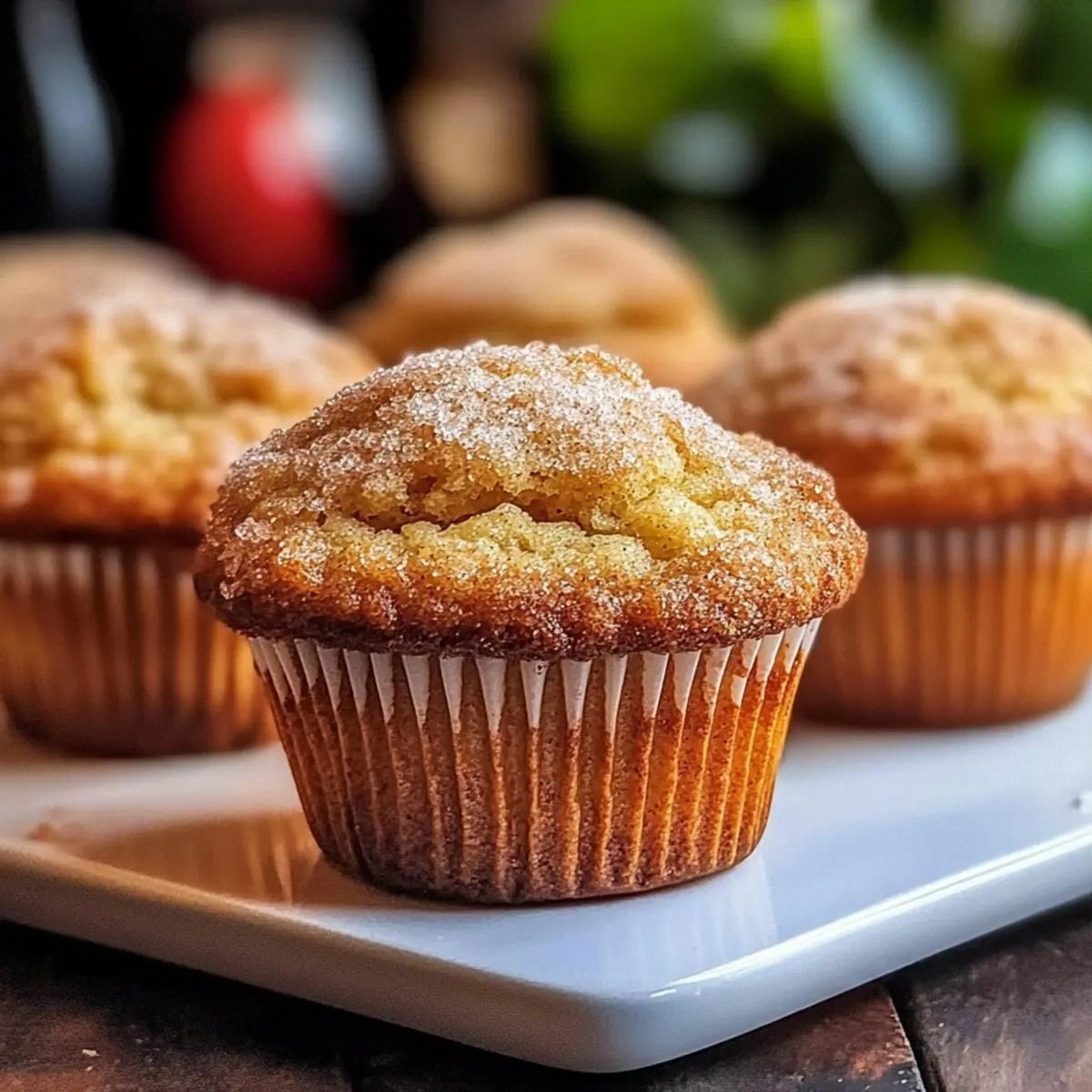
Watch Out: Do not let the butter burn; a burnt butter flavor will dominate the delicate cider notes.Spoon the batter into the prepared muffin cups, filling each about three‑quarters full. Then, drizzle a generous teaspoon of the cinnamon‑sugar butter on top of each muffin. The butter will melt into the batter as it bakes, creating a caramelized crown that crackles when you bite into it. That sizzle when it hits the pan? Absolute perfection.
Slide the tin into the oven and bake for 20‑25 minutes, or until a toothpick inserted into the center comes out clean and the tops are a deep golden‑brown. Around the 15‑minute mark, the edges will start pulling away from the tin—this is the visual cue that the muffins have formed that coveted crust.
When the timer dings, remove the tin and let the muffins rest for 5 minutes before transferring them to a wire rack. This short cooling period allows the interior steam to settle, preventing the muffins from becoming soggy. While they cool, the cinnamon‑sugar coating will set into a glossy glaze.
Finally, serve warm with a splash of extra apple cider or a pat of butter if you like. Picture yourself pulling this out of the oven, the whole kitchen smelling incredible, and the first bite melting in your mouth like a sweet, spiced cloud. This next part? Pure magic.
That's it — you did it. But hold on, I've got a few more tricks that'll take this to another level...
Insider Tricks for Flawless Results
The Temperature Rule Nobody Follows
Most home bakers crank the oven up to 375°F for speed, but that sacrifices the delicate caramelization of the cinnamon sugar. Keeping the oven at a steady 350°F allows the batter to rise slowly while the topping slowly browns, resulting in a uniform crumb and a crisp crown. I once tried the hotter route and ended up with a burnt top and a gummy center—definitely not the cozy vibe I was after.
Why Your Nose Knows Best
Instead of relying solely on a timer, trust the aroma. Around the 18‑minute mark you’ll notice a sweet, buttery scent mingling with a hint of toasted cinnamon. That’s your cue that the muffins are nearing perfection. If you ignore this and pull them out too early, the tops won’t set; too late and you risk a dry crumb. I’ve learned to set a timer, then stay close to the oven for that olfactory green light.
The 5‑Minute Rest That Changes Everything
After baking, let the muffins sit in the tin for exactly five minutes before moving them to a rack. This short rest lets the steam redistribute, keeping the interior moist while the crust stays crisp. Skipping this step is a common mistake that leads to a soggy bottom. A friend once tried to cool them on a plate immediately and ended up with a gummy base—let’s just say it didn’t end well.
Butter‑Boosted Glaze
If you want an extra glossy finish, melt an additional tablespoon of butter with a pinch of brown sugar and brush it over the muffins right after they’ve cooled for five minutes. The glaze adds a subtle sheen and a hint of caramel that elevates the flavor profile without overwhelming the cider notes. This is a pro tip I borrowed from pastry chefs who use butter glazes on croissants.
Freezer‑Friendly Prep
To make mornings effortless, bake a full batch, let them cool completely, then wrap each muffin individually in parchment and place them in a zip‑top bag. When you’re ready to eat, pop one in the microwave for 20 seconds with a splash of water, and you’ll have a freshly‑warm muffin that tastes like it just left the oven. The water creates steam that revives the crumb without making it soggy.
Creative Twists and Variations
This recipe is a playground. Here are some of my favorite ways to switch things up:
Apple‑Cheddar Surprise
Fold in ½ cup shredded sharp cheddar and a handful of diced dried apples into the batter. The sharp cheese contrasts the sweet cider, creating a savory‑sweet muffin that’s perfect for brunch.
Maple‑Pecan Crunch
Replace half the granulated sugar with pure maple syrup and stir in ¼ cup toasted pecans. The maple deepens the caramel notes, while the pecans add a satisfying crunch.
Pumpkin Spice Remix
Swap ¼ cup of the apple cider for pumpkin puree and add a pinch of ground ginger and cloves to the cinnamon mix. This variation leans into the classic fall flavor palette, perfect for October gatherings.
Cranberry Burst
Stir in ½ cup dried cranberries (soaked briefly in warm cider) into the batter. The tart cranberries pop against the sweet base, delivering bursts of flavor with each bite.
Vegan Velvet
Replace the eggs with a flax‑egg (1 tbsp ground flaxseed + 3 tbsp water) and use coconut oil instead of vegetable oil. The result is a vegan‑friendly muffin that still boasts that buttery, moist crumb.
Storing and Bringing It Back to Life
Fridge Storage
Place the cooled muffins in an airtight container and store them in the refrigerator for up to five days. The moisture from the cider helps keep them from drying out, but a quick reheating will restore that fresh‑out‑of‑the‑oven feel.
Freezer Friendly
Wrap each muffin tightly in parchment paper, then place them in a freezer‑safe zip‑top bag. They’ll keep for up to three months. When ready to eat, microwave for 20‑30 seconds, adding a splash of water to the container to create steam.
Best Reheating Method
For the crispiest crust, reheat muffins in a preheated 300°F oven for 8‑10 minutes. Add a tiny splash of apple cider to the muffin before heating; the steam revives the interior while the oven re‑crisp the topping. This trick turns a day‑old muffin into a warm, aromatic treat again.