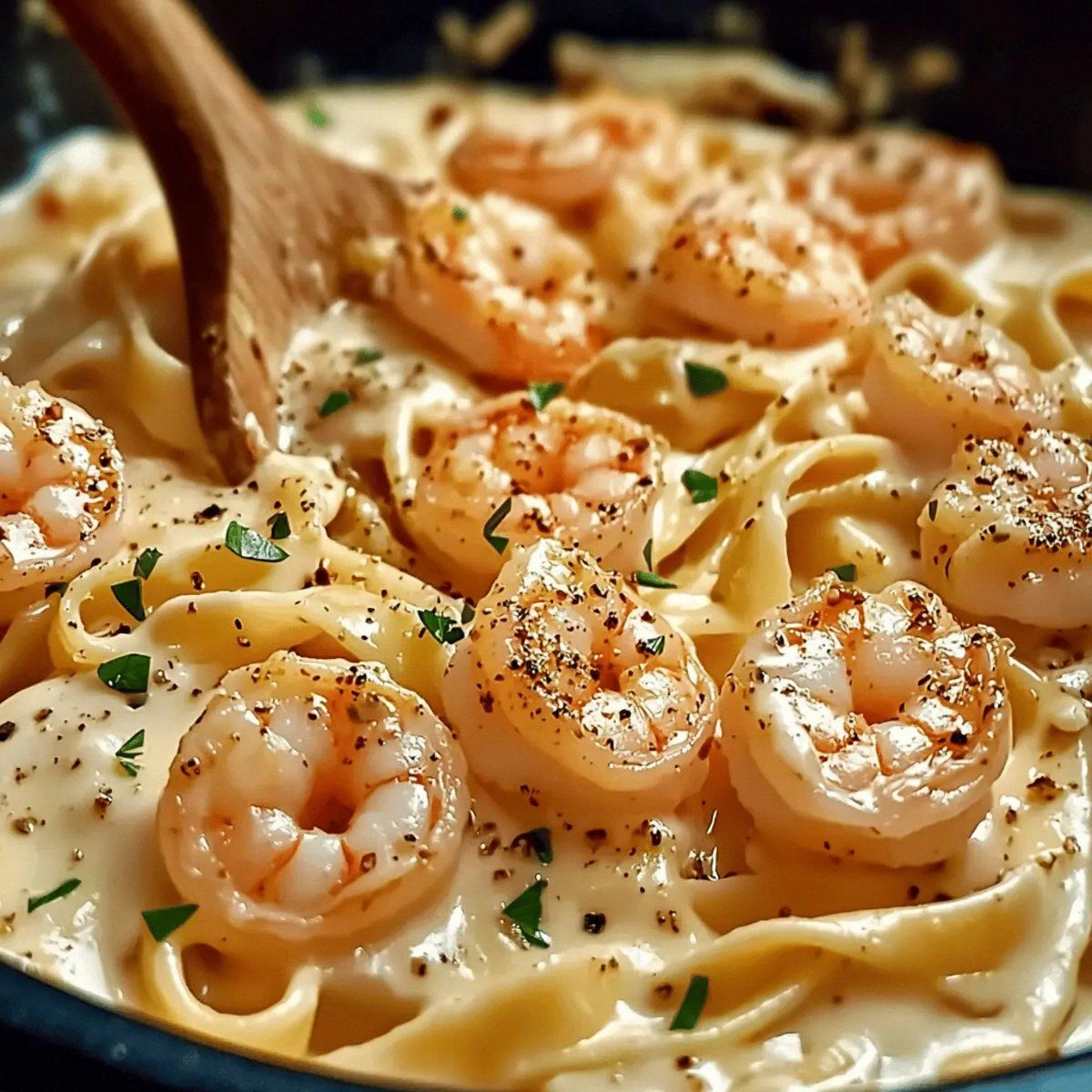
I was in the middle of a frantic weekday dinner scramble when a sudden craving for something decadently creamy hit me like a bolt of lightning. I opened the pantry, stared at a lonely bag of fettuccine, and thought, “What if I could turn this into a restaurant‑level dish in half an hour?” The answer arrived in the form of a shrimp‑laden Alfredo that smells like a seaside bistro and tastes like a buttery dream. I tossed the shrimp into a sizzling pan, let the garlic hit the butter and heard that unmistakable sizzle that says, “We’re about to make magic.” That moment, right there, was pure culinary fireworks, and I swear I could hear the pasta whispering, “Bring it on.”
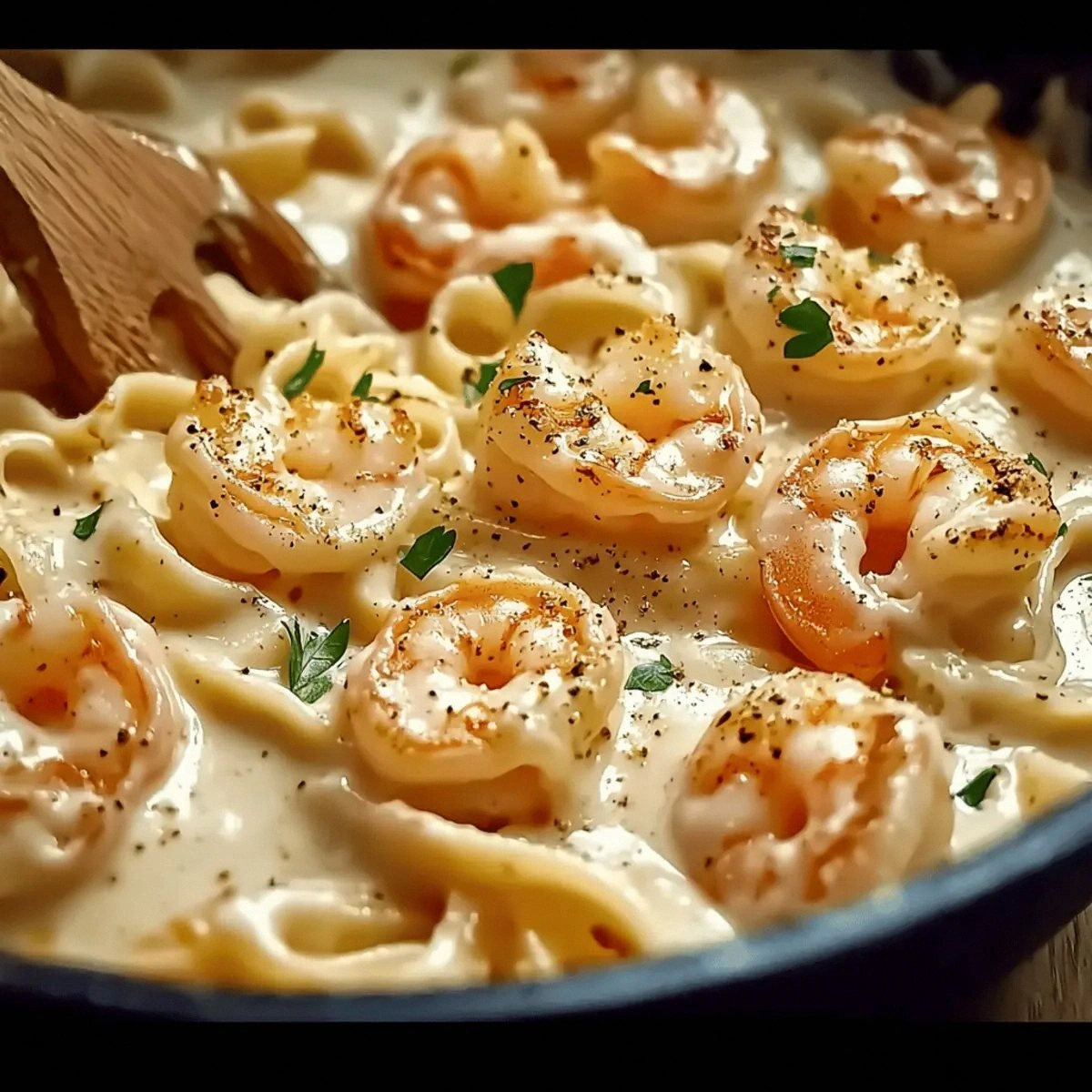
Picture this: the kitchen filled with the aroma of garlic dancing with butter, a glossy sauce swirling around al dente ribbons, and plump shrimp turning pink like sunrise on the horizon. The sauce coats the pasta like velvet, each strand gleaming with cheesy goodness, while the shrimp add a juicy pop that makes your taste buds do a little happy jig. I dare you to taste this and not go back for seconds—because once you’ve experienced that buttery, garlicky hug, nothing else will compare. Most recipes get this completely wrong, either drowning the shrimp in a watery mess or leaving the pasta dry as a desert. Not this one.
What makes this version truly stand out is a secret weapon: a splash of heavy cream that turns the sauce from thin to thick in seconds, and a generous handful of grated Parmesan that creates a glossy, cheesy veil you can’t help but stare at. I’ll be honest — I ate half the batch before anyone else got to try it, and that’s a testament to how irresistible this dish is. The technique is simple, the ingredients are pantry‑friendly, and the result feels like a five‑star restaurant plate without the pretentious price tag. I’m about to spill every detail, from the exact moment the butter melts to the precise timing that keeps the shrimp tender.
Okay, ready for the game‑changer? There’s a tiny twist that most cooks overlook: a quick deglaze with a splash of pasta water right before adding the cream. This little step creates an emulsion that locks in flavor and gives the sauce that silky, cling‑to‑your‑fork texture. Stay with me here — this is worth it. Let me walk you through every single step — by the end, you’ll wonder how you ever made it any other way.
What Makes This Version Stand Out
- Flavor Explosion: The combination of garlic, butter, and Parmesan creates a depth that feels both familiar and daring, delivering a taste that lingers long after the last bite.
- Silky Texture: Heavy cream and pasta water emulsify into a sauce that clings to each noodle like a lover’s embrace, never greasy, always glossy.
- Speedy Simplicity: From start to finish it’s under 30 minutes, perfect for busy weeknights when you still want to impress.
- Star‑Power Shrimp: Large shrimp add a succulent bite that contrasts beautifully with the creamy base, turning a humble pasta into a surf‑and‑turf masterpiece.
- Crowd‑Pleaser: Even the pickiest eaters can’t resist the cheesy allure; it’s the dish that earns applause at family gatherings.
- Ingredient Integrity: Using fresh parsley and real Parmesan ensures every flavor shines, no artificial shortcuts needed.
- One‑Pan Efficiency: Minimal cleanup because the sauce, shrimp, and pasta share the same pan for the final combine.
- Make‑Ahead Magic: This dish reheats beautifully, making leftovers taste just as luxurious as the first serving.
Inside the Ingredient List
The Flavor Base
The unsalted butter is the foundation, providing a rich mouthfeel while letting the garlic shine. When the butter melts, it creates a fragrant pool that welcomes the minced garlic, releasing those aromatic compounds that make your kitchen feel like an Italian trattoria. If you skip the butter, you’ll lose that buttery depth and the sauce may end up flat. A solid alternative is a mix of olive oil and a dab of butter for a slightly fruitier note.
Garlic, minced to a fine paste, is the aromatic hero. Its sharp bite mellows as it cooks, turning sweet and buttery, which is essential for that comforting flavor profile. Overcooking garlic turns it bitter, so keep a watchful eye. If you’re allergic or simply not a fan, roasted garlic can substitute, offering a milder, caramelized flavor.
The Texture Crew
Heavy cream is the magic wand that transforms the pan juices into a luxurious, thick sauce. Its high fat content prevents the sauce from separating, ensuring that glossy sheen we all crave. Using low‑fat milk will result in a watery mess; trust me, you don’t want that. If you’re dairy‑intolerant, try a splash of coconut cream for a subtle tropical twist.
Grated Parmesan cheese is the umami powerhouse that gives the sauce its characteristic sharpness and depth. Freshly grated cheese melts faster and integrates better than pre‑shredded, which often contains anti‑caking agents that can clump. Skipping the cheese means losing that nutty, salty bite that makes the dish sing.
The Unexpected Star
Large shrimp, peeled and deveined, bring a briny pop that balances the richness of the cream. The key is to cook them just until they turn pink—overcooking makes them rubbery, a common pitfall that ruins the experience. If shrimp isn’t your thing, replace with scallops or even bite‑size chicken pieces, but expect a different texture.
The Final Flourish
Fresh parsley, chopped finely, adds a bright, herbaceous finish that cuts through the richness, preventing the dish from feeling heavy. It also contributes a pop of color that makes the plate look restaurant‑ready. If parsley isn’t on hand, basil or chives work well, though they’ll shift the flavor profile slightly.
Salt and black pepper are the seasoning duo that bring everything into harmony. Salt amplifies the flavors, while pepper adds a subtle heat that keeps the palate excited. Remember, the Parmesan already brings salt, so taste before adding more. For a twist, a pinch of smoked paprika can introduce a gentle smokiness.
Everything's prepped? Good. Let’s get into the real action…
The Method — Step by Step
-
Bring a large pot of salted water to a rolling boil. Add the fettuccine and cook according to the package directions until al dente—usually about 9 minutes. Reserve one cup of the starchy pasta water before draining; this liquid will later become the secret glue for your sauce. Drain the pasta and set it aside, but keep it warm. That sizzle when the water hits the pot? Absolute perfection.
Kitchen Hack: Toss the hot pasta with a drizzle of olive oil right after draining to prevent sticking before it meets the sauce. -
While the pasta cooks, melt the unsalted butter in a large skillet over medium heat. As soon as the butter foams, add the minced garlic and stir constantly. You’ll hear a gentle sizzle and the kitchen will fill with that unmistakable garlicky perfume. Cook for about 30 seconds—just until the garlic becomes fragrant but not browned. This is the moment of truth; overcooked garlic turns bitter, so stay close.
-
Add the shrimp to the buttery garlic pool. Sprinkle with a pinch of salt and the black pepper. Let them sear for 2 minutes on one side, then flip and cook another 2 minutes until they turn a gorgeous pink and start to curl at the edges. You’ll notice the shrimp releasing a sweet, briny aroma that tells you they’re nearly done. Remove the shrimp onto a plate and set aside; they’ll finish cooking in the sauce later.
Watch Out: If you crowd the pan, the shrimp will steam instead of sear, losing that coveted caramelized crust. -
Reduce the heat to low and pour the heavy cream into the skillet, scraping up any browned bits from the bottom. Those bits are flavor gold, and they’ll melt into the cream, creating a deeper, richer base. Stir continuously for about 2 minutes until the cream thickens slightly and starts to coat the back of a spoon. This is where the sauce begins its transformation from liquid to silk.
Kitchen Hack: Add a splash (about ¼ cup) of the reserved pasta water now; it helps emulsify the cream and prevents separation. -
Gradually sprinkle the grated Parmesan cheese into the cream, stirring constantly. The cheese should melt smoothly, turning the sauce a buttery gold that clings to the spoon. Keep the heat gentle; high heat can cause the cheese to seize, resulting in a grainy texture. Once fully incorporated, the sauce should have a glossy sheen that looks like liquid sunshine.
-
Return the cooked shrimp to the skillet, letting them bathe in the creamy sauce for about a minute. This final brief reunion lets the shrimp absorb the cheesy goodness without overcooking. Toss in the cooked fettuccine, using tongs to lift and coat each strand thoroughly. If the sauce seems a touch thick, drizzle in a bit more reserved pasta water until it reaches a silky, pour‑over consistency.
-
Finish the dish with a generous handful of chopped parsley, stirring it in just before serving. The parsley adds a fresh, herbaceous lift that brightens the entire plate. Taste and adjust seasoning with a pinch more salt or pepper if needed. Serve immediately while the sauce is still glossy and the shrimp are perfectly tender.
-
That’s it — you did it. But hold on, I’ve got a few more tricks that’ll take this to another level. For instance, a quick squeeze of lemon right before plating can add a zing that cuts through the richness, and a dusting of extra Parmesan adds an extra layer of depth. Remember, the joy of this dish lies in its adaptability; feel free to experiment while keeping the core technique intact.
Insider Tricks for Flawless Results
The Temperature Rule Nobody Follows
Never cook the sauce on high heat; a gentle simmer is the key to a smooth, uncurdled Alfredo. High temperatures cause the dairy proteins to coagulate, resulting in a grainy texture that no amount of stirring can fix. Keep the flame low, and you’ll see the sauce thicken gradually, hugging the pasta like a silk scarf. A friend once tried to speed things up by cranking the heat, and the sauce turned into a clumpy nightmare—lesson learned.
Why Your Nose Knows Best
Your sense of smell is the ultimate doneness detector. When the garlic hits the butter, you’ll notice a sweet, nutty aroma that signals it’s perfectly cooked. As the shrimp sear, a faint oceanic scent emerges; that’s your cue that they’re ready to flip. Trusting your nose prevents over‑cooking and ensures each component reaches its flavor peak.
The 5‑Minute Rest That Changes Everything
After combining the pasta with the sauce, let the dish sit off the heat for five minutes. This short rest allows the sauce to cling even more tightly to the noodles, creating that coveted “clinging” effect that makes each bite luxurious. It also gives the shrimp a chance to reabsorb some of the sauce, enhancing the overall mouthfeel. Skipping this step often results in a sauce that slides off the pasta, which is a disappointment.
Parmesan Timing Trick
Add the Parmesan cheese off the heat, after you’ve lowered the flame. This prevents the cheese from overheating, which can cause it to separate and become grainy. Stir it in slowly, allowing each shavings of cheese to melt into the cream, creating a velvety texture that’s impossible to replicate with pre‑shredded varieties.
Seasoning Layer Strategy
Season in layers—salt the pasta water, season the shrimp before cooking, and finish with a pinch of salt after the sauce is assembled. This multi‑step seasoning builds depth without overwhelming any single element. If you ever find the final dish bland, a quick taste after each layer will guide you to the perfect balance.
Creative Twists and Variations
This recipe is a playground. Here are some of my favorite ways to switch things up:
Spicy Cajun Kick
Swap the black pepper for a tablespoon of Cajun seasoning and add a dash of hot sauce to the cream. The result is a smoky, fiery version that still retains the creamy backbone, perfect for those who love a little heat.
Mushroom Medley
Introduce sliced cremini or shiitake mushrooms after the garlic, letting them brown before adding the shrimp. The earthy umami of the mushrooms pairs beautifully with the shrimp’s sweetness, creating a more complex flavor profile.
Lemon‑Herb Bright
Add a tablespoon of fresh lemon zest and a squeeze of lemon juice just before serving, then finish with chopped basil instead of parsley. The citrus lifts the richness, making the dish feel lighter and more summery.
Truffle‑Infused Indulgence
Stir in a drizzle of truffle oil at the very end and garnish with shaved black truffle. This luxurious twist elevates the dish to a fine‑dining experience, ideal for special occasions.
Veggie‑Packed Power
Throw in blanched broccoli florets or baby spinach during the final toss. The greens add color, texture, and a nutritional boost without compromising the creamy decadence.
Storing and Bringing It Back to Life
Fridge Storage
Allow the dish to cool to room temperature, then transfer it to an airtight container. It will keep for up to three days in the refrigerator. When reheating, add a splash of milk or water and gently warm over low heat, stirring constantly to restore the sauce’s silkiness.
Freezer Friendly
Portion the cooked pasta and sauce (without the parsley) into freezer‑safe bags or containers. Freeze for up to two months. To reheat, thaw overnight in the fridge, then warm in a saucepan with a bit of broth or water, stirring until smooth.
Best Reheating Method
The stovetop is king: place the leftovers in a skillet over medium‑low heat, add a tablespoon of water or broth, and stir until the sauce re‑emulsifies. Avoid microwaving for long stretches, as it can cause the sauce to separate and become grainy.