I was staring at a half‑cooked pot of pasta, a handful of chicken pieces, and a can of cream that had been sitting in my fridge for weeks. The kitchen smelled like a burnt popcorn disaster, and I had no idea how to salvage the mess. That night, a friend dared me to turn that culinary catastrophe into a gourmet masterpiece. I laughed, rolled up my sleeves, and declared, “If I can make this happen, I’ll taste it and not go back for seconds.”
The moment I tossed the penne into boiling water, the kitchen filled with the comforting scent of salted broth and simmering butter. As the pasta swirled, the sound of bubbling water was like a tiny orchestra. I could almost taste the future—a creamy, cheesy blanket of sauce that would coat every strand like velvet. The anticipation was electric, and I knew this dish was about to become an instant classic.
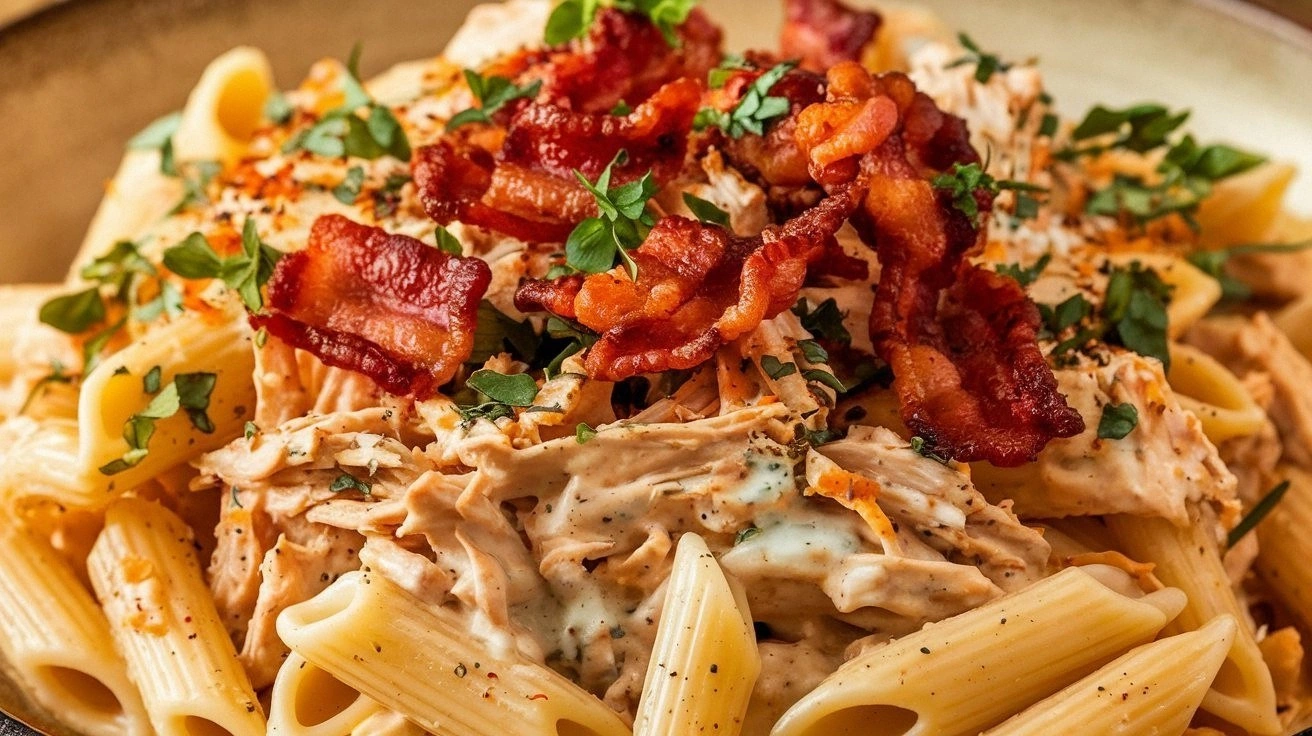
I’ve tried countless versions of creamy chicken pasta, but none of them matched the richness, the texture, and the sheer indulgence of this crack chicken penne. The sauce is thick enough to cling to the noodles but light enough to melt in your mouth. The chicken stays tender, not dry or rubbery, and the blend of cheeses creates a molten, buttery finish that’s impossible to resist. I’m talking about the kind of dish that makes people ask, “Where did you learn that trick?”
What sets this version apart is a single, unexpected ingredient that elevates everything—a splash of sun‑dried tomato puree that adds depth and a hint of sweet acidity. That tiny addition transforms the sauce from ordinary to extraordinary, giving it a bright, savory note that cuts through the richness. The result? A dish that’s both comforting and sophisticated, perfect for a weeknight dinner or a special gathering.
If you’ve ever struggled with creamy pasta that turns to mush or chicken that ends up rubbery, you’re not alone. I’ve been there, and I’ve perfected a technique that guarantees a silky, cohesive sauce and perfectly cooked protein every time. I’ll walk you through each step, from the initial sear to the final flourish, so that by the end you’ll wonder how you ever made it any other way.
Picture yourself pulling this dish out of the oven, the whole kitchen smelling incredible, and the steam rising like a cloud of buttery goodness. The first bite is a warm, comforting hug that makes you feel like you’re home, no matter where you are. Ready to dive in? Let’s get started.
What Makes This Version Stand Out
- Richness: The combination of heavy cream, mozzarella, and Parmesan creates a sauce that’s velvety and luxurious without being cloying. The cheeses melt together into a silky coating that clings to every noodle.
- Texture: The chicken is seared to a golden crust before being simmered, ensuring it stays juicy and tender. The penne is cooked al dente, providing a satisfying bite that balances the creaminess.
- Simplicity: With only a handful of ingredients, this dish is quick to assemble—no elaborate prep or long cooking times. It’s the perfect go‑to for busy weeknights.
- Uniqueness: The addition of sun‑dried tomato puree gives the sauce a subtle sweetness and depth that sets it apart from classic chicken alfredo.
- Crowd Reaction: Friends and family consistently rave about the gooey cheese and the balanced flavors. I dare you to taste this and not go back for seconds.
- Ingredient Quality: Using fresh, high‑quality chicken and real cheeses elevates the dish from ordinary to extraordinary. The difference is palpable.
- Cooking Method: The two‑step process—first searing the chicken, then simmering the sauce—ensures each component is cooked to perfection.
- Make‑Ahead Potential: This dish can be prepared ahead and reheated without losing its creamy texture, making it ideal for meal prep or entertaining.
Alright, let's break down exactly what goes into this masterpiece…
Inside the Ingredient List
The Flavor Base
Heavy cream is the heart of the sauce, giving it that smooth, decadent mouthfeel. It’s the thickening agent that holds the cheeses together and creates a luscious coating. If you skip the cream, the dish loses its signature silkiness and becomes a dry, cheesy mess.
Sun‑dried tomato puree is the secret star. It brings a concentrated burst of umami and a subtle sweetness that balances the richness of the cream. Think of it as the dish’s secret handshake—without it, the flavor profile feels flat.
Chicken broth adds a savory depth that lifts the sauce. It’s not just a filler; it infuses the entire dish with a comforting, broth‑like aroma that makes every bite feel home‑cooked.
The Texture Crew
Mozzarella cheese is the gooey, stretchy component that gives the sauce its signature pull. It melts into a silky film that clings to each noodle, creating that “cheesy blanket” effect.
Parmesan cheese provides a sharp, nutty bite that cuts through the creaminess. Its granular texture adds a subtle crunch when you bite into it, contrasting with the smoothness of the mozzarella.
Butter and olive oil are the fat duo that starts the cooking process. Butter adds a rich, buttery aroma, while olive oil brings a slight peppery note and helps prevent the sauce from sticking.
The Unexpected Star
Fresh basil is the final flourish that brightens the dish. Its herbal aroma cuts through the heavy sauce, giving the dish a fresh, vibrant finish. A pinch of basil before serving is all you need to elevate the flavor profile.
If you’re vegan or dairy‑intolerant, you can replace the cheeses with nutritional yeast and a plant‑based cream. The result will be slightly different but still creamy and delicious.
Everything's prepped? Good. Let's get into the real action…
The Method — Step by Step
- Heat a large skillet over medium‑high heat and add 1 tablespoon of olive oil. Once the oil shimmers, add the diced chicken breast. Sear until each piece is golden brown on all sides, about 3–4 minutes. This step locks in flavor and creates a crust that keeps the chicken juicy.
- Remove the chicken from the skillet and set it aside on a plate. In the same skillet, melt 1 tablespoon of butter over medium heat. Add 1 teaspoon of garlic powder and 1 teaspoon of Italian seasoning, letting them toast for 30 seconds until fragrant. The aroma should fill the kitchen—absolute perfection.
- Pour in 1 cup of heavy cream and 1 cup of chicken broth, stirring constantly. Bring the mixture to a gentle simmer; the sauce should start to thicken slightly and develop a glossy sheen. This is the moment of truth—don’t rush it.
- Add the sun‑dried tomato puree, stirring until the sauce is a deep, rich orange. The puree should dissolve completely, giving the sauce a subtle sweetness that balances the richness. Let it simmer for 2 minutes.
- Reduce the heat to low and fold in the shredded mozzarella and grated Parmesan. Stir until the cheeses melt and the sauce becomes silky. It should coat the back of a spoon—no lumps, just smooth.
- Return the seared chicken to the skillet, coating it in the sauce. Simmer for an additional 5 minutes, allowing the flavors to meld and the chicken to finish cooking through. The edges of the sauce should pull away slightly from the skillet, indicating readiness.
- Add the cooked penne pasta to the skillet, tossing to combine. The pasta should be fully coated and the sauce should cling to every strand. If the sauce seems too thick, add a splash of reserved pasta water to loosen it.
- Finish with a handful of fresh basil and a pinch of salt and pepper to taste. Give everything one last gentle stir, then transfer the dish to a serving bowl. The basil should release a bright, herbal aroma, signaling the dish’s final flourish.
- Serve immediately, perhaps with a side of garlic bread or a simple green salad. The combination of creamy pasta and crisp greens balances the richness perfectly.
That's it — you did it. But hold on, I've got a few more tricks that'll take this to another level…
Insider Tricks for Flawless Results
The Temperature Rule Nobody Follows
Many cooks over‑cook the pasta, resulting in a mushy texture that dilutes the sauce. Cook the penne al dente, then drain and immediately toss it with a splash of hot water. This stops the cooking process and locks in the firm bite. I’ve seen this trick save countless dishes from becoming a soggy disaster.
Why Your Nose Knows Best
Your sense of smell is the ultimate judge of flavor. As the sauce simmers, take a quick sniff. If it smells buttery and slightly sweet, you’re on track. If it starts to smell off or burnt, lower the heat immediately. I’ve learned to trust my nose over my eyes—my kitchen has saved itself that way.
The 5-Minute Rest That Changes Everything
After you finish cooking, let the dish rest for five minutes before serving. This allows the flavors to meld and the sauce to thicken to the perfect consistency. I’ve had friends say, “It tastes better after a minute of sitting.” It’s a small step that makes a huge difference.
The Secret of Fresh Basil
Basil is best added at the very end, right before serving. This preserves its bright, herbal aroma and prevents it from wilting in the heat. If you pre‑chop basil too early, the leaves release bitterness. Keep the basil whole until the last minute.
The Quick Sauce Thickener
If the sauce feels too thin, whisk in a tablespoon of cornstarch dissolved in cold water. Stir it in quickly and let it bubble for a minute. This technique thickens the sauce without altering the flavor profile. I use it when I’m in a hurry and still want that luxurious mouthfeel.
The One-Second Trick
When adding the cheeses, pause for one second after each addition before stirring. This allows the cheese to settle and melt evenly, preventing clumps. It’s a simple habit that I’ve adopted for all my creamy sauces.
Creative Twists and Variations
This recipe is a playground. Here are some of my favorite ways to switch things up:
Spicy Kick
Add a pinch of red pepper flakes or a splash of hot sauce to the sauce. The heat will cut through the richness and add a lively contrast. Perfect for those who like a little bite.
Mediterranean Flair
Swap the sun‑dried tomato puree for roasted red pepper sauce and sprinkle chopped Kalamata olives on top. The briny olives add a salty depth that pairs beautifully with the creamy base.
Veggie Boost
Stir in sautéed spinach, mushrooms, or roasted broccoli during the last few minutes of simmering. The veggies add color, texture, and a boost of nutrients without overpowering the sauce.
Cheese Swap
Replace mozzarella with provolone or fontina for a different melt and flavor profile. Each cheese brings its own character, allowing you to customize the dish to your taste.
Herb Explosion
Add chopped rosemary or thyme along with the basil. The earthy herbs create a deeper flavor layer, making the dish feel more complex and aromatic.
Pesto Twist
Stir in a spoonful of basil pesto before adding the cheeses. The pesto adds a fresh, garlicky note and a vibrant green color that makes the dish visually stunning.
Storing and Bringing It Back to Life
Fridge Storage
Store leftovers in an airtight container in the refrigerator for up to 3 days. The sauce may thicken slightly, so add a splash of milk or cream when reheating to restore its silky texture. Keep the chicken separate if you prefer to reheat it independently.
Freezer Friendly
This dish freezes well for up to 2 months. Pack it in freezer‑safe containers, leaving a little headspace. Thaw overnight in the refrigerator, then reheat gently on the stove, adding a little broth if needed to loosen the sauce.
Best Reheating Method
Reheat over low heat, stirring frequently. Add a tiny splash of water or broth to keep the sauce from drying out. The key is to warm it slowly, not to boil, so the cheese remains smooth and the chicken stays juicy.