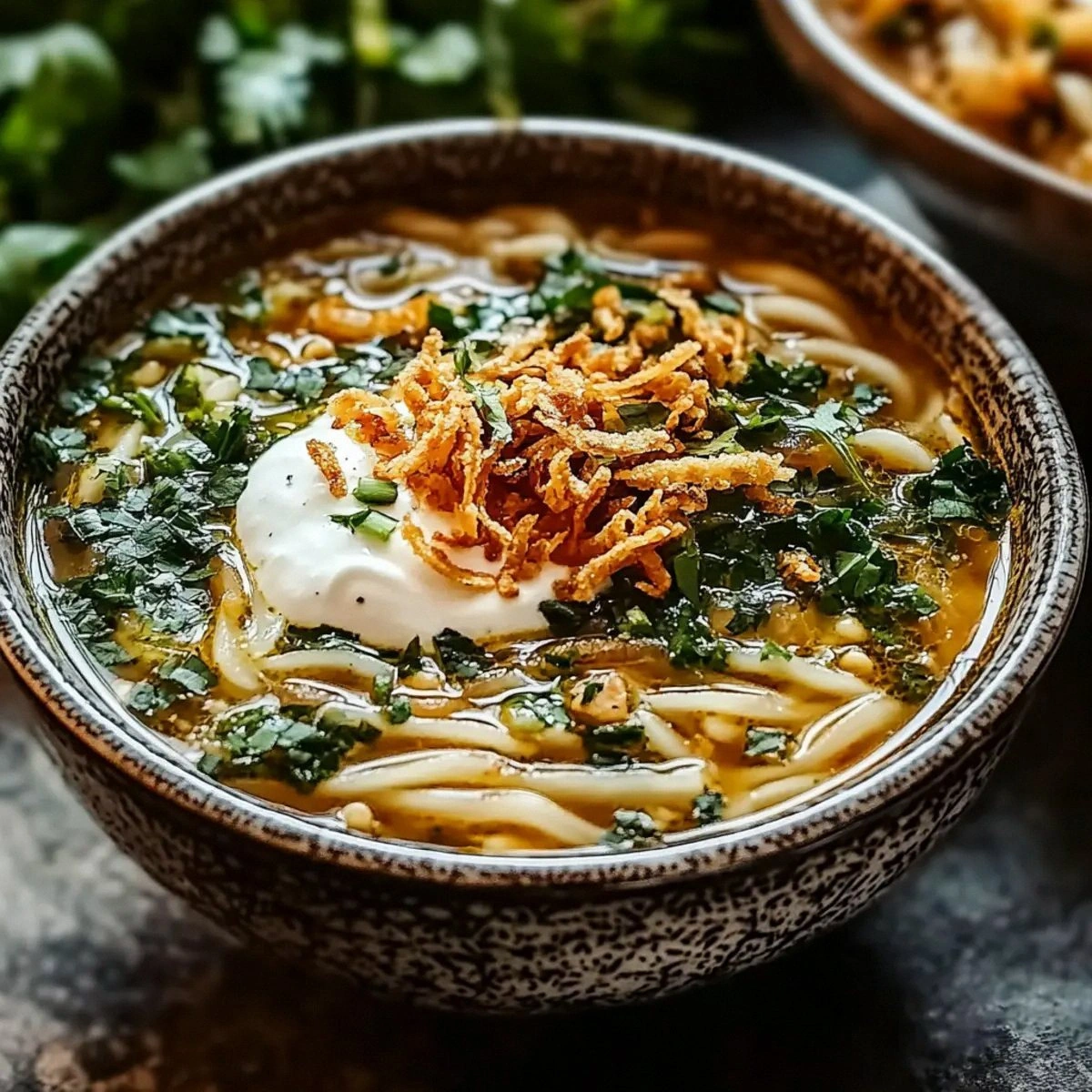
Picture the chaos of a kitchen that had just survived a last‑minute dinner party disaster—plates overturned, a pot of sauce too thick, and a frantic scramble to salvage something edible. I was staring at a can of butter beans, a handful of spinach, and a tiny zucchini that had been sitting in the fridge like a forgotten hero. My friend dared me to turn this humble mix into something that would make everyone at the table shout, “I dare you to taste this and not go back for seconds.” I laughed, because I knew I could turn a simple bean dish into a creamy, velvety delight that would have even the most skeptical foodie swooning. The moment I added a splash of harissa and a dollop of tahini, the aroma hit the room like a warm hug, and I felt that electric anticipation that only a truly delicious dish can bring.
I was not just cooking; I was performing a culinary experiment, and the stakes were high. The butter beans, when combined with the subtle earthiness of the onion and the bright bite of spinach, create a flavor profile that feels both comforting and adventurous. The creamy sauce, thickened by a light dusting of flour and the nutty richness of nutritional yeast, coats the beans like velvet, turning every bite into a silky experience. The harissa paste injects a smoky heat that lingers on the palate, while the parmesan cheese provides a salty, umami finish that ties everything together. If you’ve ever struggled to find a balance between creaminess and spice, you’re not alone—and I’ve got the fix.
What makes this version stand out is that it’s not just a bean stew; it’s a carefully orchestrated symphony of textures and flavors that play off each other like a well‑tuned orchestra. The beans are rinsed and drained to keep their shape, preventing them from turning mushy and ensuring each spoonful has a satisfying bite. The sautéed onion and zucchini add a subtle crunch that contrasts beautifully with the silky sauce, creating a mouthfeel that feels both hearty and light. The harissa adds a depth of flavor that most bean recipes lack, making the dish feel like a dish you could serve at a dinner party and still feel like a comfort meal. By the end, you’ll wonder how you ever made it any other way.
And the best part? The ingredients are pantry staples, so you won’t need to make a trip to the grocery store. The recipe is designed to be a one‑pot wonder, which means minimal cleanup and maximum flavor. The only thing that might tempt you to add a splash of cream or a swirl of coconut milk is the sheer satisfaction of watching the sauce thicken into a glossy, rich coating that clings to every bean and leaf. I’ll be honest—by the time the dish is ready, I already ate a half‑batch before anyone else got a chance to taste it. If you’re ready for a game‑changer, stick with me through the next steps.
Let me walk you through every single step—by the end, you’ll wonder how you ever made it any other way. The process is simple, yet the result is extraordinary, and it’s a testament to how a few bold choices can elevate a humble bean into a showstopper. The first step is to prep your ingredients, because a well‑organized kitchen is the foundation of any great dish. The next step is to create a sauce that’s both creamy and flavorful, a sauce that will turn ordinary beans into a luxurious experience. And finally, we’ll finish with a sprinkle of parmesan that adds a subtle crunch and a burst of umami. Ready? Let’s dive in.
What Makes This Version Stand Out
- Taste: The combination of harissa and tahini creates a layered flavor profile that feels both spicy and nutty, elevating the beans beyond ordinary comfort food.
- Texture: The beans retain their shape, while the sauce glides over them like a silky coat, offering a satisfying contrast between creamy and crisp.
- Ingredient Quality: Using high‑quality canned butter beans and fresh spinach ensures a bright, natural flavor that shines through the sauce.
- Cooking Method: The one‑pot technique saves time and keeps the kitchen tidy, making the dish ideal for busy weeknights.
- Uniqueness: The addition of harissa and tahini gives this recipe a Mediterranean twist that sets it apart from traditional bean casseroles.
- Make‑Ahead Potential: The dish can be prepared ahead and reheated without losing its creamy texture, making it perfect for meal prep.
- Crowd Reaction: Friends and family rave about the unexpected depth of flavor and the luxurious mouthfeel, turning this into a conversation starter.
- Versatility: It can be served over rice, pasta, or as a hearty side dish, adapting to any meal plan.
Alright, let's break down exactly what goes into this masterpiece, and trust me, every detail matters. The next section will dive into each ingredient group, explaining why each component is essential and what happens if you skip it. We’ll also explore swaps and alternatives that keep the flavor intact while accommodating dietary preferences. You’ll learn how to select the best canned beans and how to choose spinach that stays vibrant. Get ready to master the fundamentals that make this dish stand out.
The Flavor Base
White onion is the aromatic backbone of this dish, releasing sweet, caramelized notes that set the stage for the rest of the flavors. When diced finely, the onion cooks until translucent, which takes about three minutes over medium heat. If you skip the onion, the dish loses depth, and the harissa’s heat can feel unbalanced. For a sweeter flavor, you can add a pinch of sugar or a splash of balsamic vinegar during the sauté. The onion also helps to thicken the sauce slightly as it releases moisture.
Harissa paste is the star of the flavor base, delivering a smoky, peppery kick that lingers on the tongue. It’s a North African chili paste made from roasted peppers, garlic, and spices, and it brings a complexity that is hard to replicate with plain chili powder. The harissa’s heat should be balanced by the creamy tahini, which tempers the spice with a subtle nuttiness. If you’re sensitive to heat, reduce the amount to half a tablespoon or replace it with a milder paste. The harissa also adds a beautiful reddish hue that makes the dish visually appealing.
Tahini paste, a sesame seed-based sauce, contributes a silky texture and a subtle, nutty flavor that complements the beans. It’s also a great source of healthy fats and protein, making the dish more satiating. Adding tahini early allows it to meld with the butter beans, creating a cohesive sauce. If you don’t have tahini, you can substitute with peanut butter or cashew cream for a different nutty profile. The key is to whisk it well to avoid clumps.
The Texture Crew
Butter beans are the creamy, protein-packed component that provides body to the dish. Rinsing them removes excess sodium and helps them absorb the sauce better. When you use canned beans, they’re already cooked, which saves time and ensures a consistent texture. If you prefer a firmer bite, you can add a splash of vegetable broth toward the end of cooking to rehydrate them slightly. The beans’ natural starch also helps thicken the sauce, creating a luscious consistency.
The small zucchini adds a fresh crunch and a subtle sweetness that balances the heat of the harissa. Slice it into thin rounds or half‑moons to ensure even cooking. The zucchini releases moisture as it cooks, which helps blend the sauce and prevents it from becoming too thick. If you don’t have zucchini, a small carrot or sweet potato can replace it, but keep in mind the texture will change slightly. The key is to keep the cut size uniform for even cooking.
All-purpose flour is used as a mild thickener, giving the sauce a velvety body without overpowering the bean flavor. It’s whisked into a slurry with a small amount of water or broth before being added to the pan. This technique prevents lumps and ensures a smooth sauce. If you’re gluten‑free, you can use chickpea flour or cornstarch instead; just adjust the amount to achieve the desired thickness. The flour also helps the sauce cling to the beans, creating a uniform coating.
The Unexpected Star
Nutritional yeast adds a savory, cheesy note that enhances the umami profile of the dish. It also boosts the nutritional value, providing B‑vitamins and protein. Sprinkle it in at the same time as the flour slurry to ensure even distribution. If you’re not a fan of the “cheese‑y” flavor, you can substitute it with a pinch of miso paste for a different umami twist. The yeast’s flaky texture adds a subtle crunch if you’re not whisking it thoroughly.
Spinach is the green, leafy component that provides vitamins, minerals, and a burst of color. Adding it at the end keeps the leaves tender but vibrant, preserving their bright green hue. Spinach also adds a slight earthy flavor that complements the beans. If you’re using frozen spinach, thaw and squeeze out excess liquid to avoid a watery sauce. The spinach’s natural sugars caramelize slightly, adding a touch of sweetness that balances the spice.
The Final Flourish
Parmesan cheese is the finishing touch that adds a salty, nutty finish and a subtle crunch when sprinkled on top. Grated or shaved, it melts into the sauce, creating a glossy finish. The cheese also adds a layer of flavor that ties all the other elements together. If you’re vegan, you can replace parmesan with nutritional yeast or a vegan cheese alternative. The final sprinkle of cheese should be done right before serving to keep the texture crisp.
Everything’s prepped? Good. Let’s get into the real action, where the magic happens in the pan and the aromas fill the kitchen. Remember, the key to a perfect sauce is patience and attention to detail. Keep your eyes on the color changes, and don’t rush the cooking process. You’re about to create a dish that feels like a warm hug in a bowl.
The Method — Step by Step
- Heat the olive oil in a large skillet over medium heat until it shimmers. Add the finely diced onion and sauté until it turns translucent and slightly golden, about three to four minutes. The onion should release a sweet aroma that signals it’s ready. This is the moment of truth—don’t rush it; a good base is crucial. Keep the heat steady to avoid burning.
- Add the sliced zucchini to the pan, stirring to combine with the onion. Cook for two minutes, letting the zucchini soften just enough to release its juices but still retain a slight crunch. The zucchini’s moisture will help integrate the sauce later. If the pan starts to look dry, add a splash of water or broth. The goal is a balanced, slightly moist mixture.
- Stir in the harissa paste, ensuring it coats the vegetables evenly. Let the mixture cook for a minute, allowing the spices to bloom and the harissa to caramelize slightly. The scent should become more complex, with hints of roasted pepper and garlic. This step builds the foundation of flavor. Keep the heat moderate to prevent burning the paste.
- Whisk the flour into a small bowl with a tablespoon of water to create a smooth slurry. Add the slurry to the skillet, stirring constantly to avoid lumps. Let the mixture simmer for a minute, watching it thicken into a silky sauce. The flour’s role is to bind the ingredients together, giving the dish body. Adjust the thickness by adding more water if it becomes too thick.
- Introduce the drained butter beans, tossing them gently into the sauce to coat each bean. Reduce the heat to low and let the mixture simmer for five minutes, allowing the beans to absorb the flavors. The beans should remain intact, not falling apart. This step is crucial for the dish’s texture. Keep the lid slightly ajar to allow steam to escape.
- Spoon in the tahini paste, whisking until it’s fully incorporated into the sauce. The tahini adds a creamy richness that balances the harissa’s heat. Let the sauce bubble gently for two minutes, ensuring the tahini doesn’t separate. The sauce should have a glossy sheen. This is the moment when the dish feels truly luxurious.
- Add the nutritional yeast, stirring until it’s evenly distributed. The yeast’s cheesy flavor will deepen the umami profile. Let the mixture cook for another minute, allowing the yeast to release its flavor. This step is essential for a rounded taste. Keep the heat low to preserve the delicate flavors.
- Fold in the handful of spinach, stirring until it wilts and blends into the sauce. The spinach should retain a bright green color, signaling freshness. The wilted leaves add a subtle earthiness that complements the beans. This is the final ingredient that brings the dish together. Once the spinach is wilted, proceed to the next step.
- Season with salt and pepper to taste, adjusting the heat with a pinch of extra harissa if desired. Sprinkle the grated parmesan cheese over the top, letting it melt slightly into the sauce. The cheese adds a crunchy texture and a salty finish. Taste the dish, and tweak the seasoning if needed. The dish should have a harmonious balance of heat, creaminess, and umami.
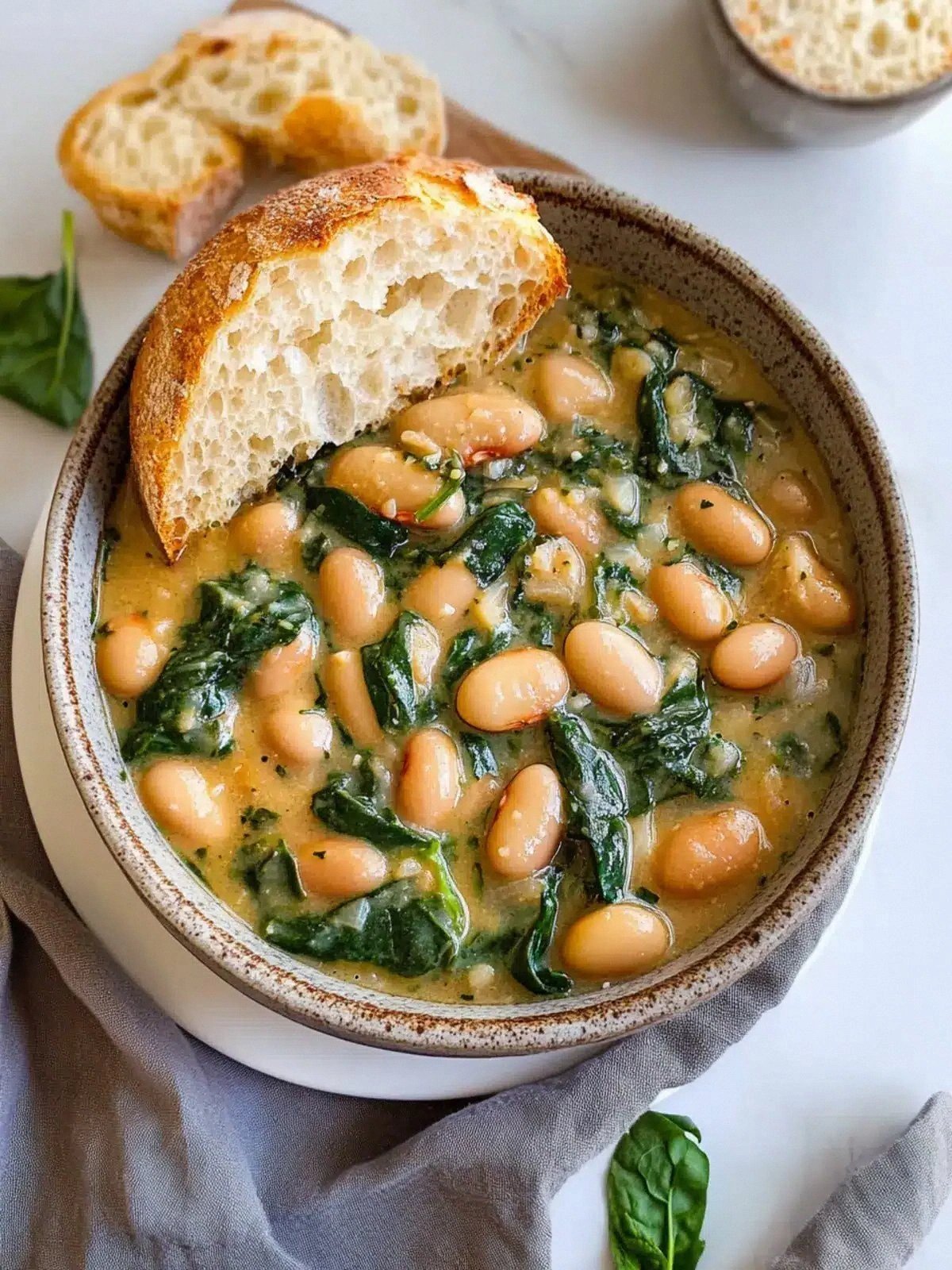
- Serve immediately over rice, pasta, or crusty bread, depending on your preference. The dish’s creamy sauce should coat everything beautifully. Garnish with a few extra parmesan shavings or a drizzle of olive oil if you like. The final plating should be visually appealing, with a glossy sheen and vibrant greens. Enjoy the first bite—this is pure comfort in a bowl.
That’s it—you did it. But hold on, I've got a few more tricks that'll take this to another level. The next section will dive into insider tips that ensure your dish is always spot‑on. These are the subtle nuances that separate a good dish from a great one. I’ll share personal anecdotes and the exact moments that taught me the importance of each detail. Ready to become a bean‑master? Let’s go.
Insider Tricks for Flawless Results
The Temperature Rule Nobody Follows
Many cooks think a quick sauté is enough, but the secret to a silky sauce is low and steady heat. When the pan is too hot, the sauce can scorch and develop a bitter flavor. Keep the temperature medium‑low once you add the flour slurry, allowing the starch to bloom without burning. This technique ensures a smooth, glossy finish that coats every bean. The result? A sauce that feels like velvet against your tongue.
Why Your Nose Knows Best
Your sense of smell is a powerful guide to seasoning. If the aroma of the harissa feels too sharp, add a splash of water or a pinch of sugar to mellow it. The smell should evolve from sharp to sweet and smoky as the dish cooks. Trust your nose to tell you when the flavor is balanced. A well‑seasoned dish will have a harmonious scent that invites you to taste. This simple trick saves you from over‑seasoning.
The 5-Minute Rest That Changes Everything
After removing the pan from heat, let the dish rest for five minutes before serving. This pause allows the flavors to meld, and the sauce to thicken slightly. During this time, the beans absorb the remaining moisture, resulting in a richer bite. The rest also gives the parmesan a chance to melt into a subtle crust. When you taste it after the rest, the dish feels more cohesive.
The Quick Stir to Avoid Clumps
When adding the flour slurry, stir vigorously for at least 30 seconds. This prevents lumps from forming and ensures a uniform sauce. If you notice clumps, whisk the sauce with a small whisk or a fork to break them up. A smooth sauce is the hallmark of a professional dish. Keep the heat low to avoid the flour from browning too quickly. This small step saves you from a gritty texture.
The Secret to Bright Greens
Spinach can turn dull if overcooked. Add it at the last minute and stir until just wilted; it should retain a bright green hue. If you’re using frozen spinach, thaw it in a colander and squeeze out the liquid before adding. Over‑watering can dilute the sauce, so keep the liquid to a minimum. The result is a vibrant, fresh appearance that makes the dish pop. Your eyes will thank you.
The Final Touch of Cheese
Grated parmesan should be added just before serving to prevent it from becoming too soft. Sprinkle it over the top and let it melt slightly into the sauce. The cheese adds a savory depth that balances the spice. If you prefer a stronger flavor, add a little extra parmesan. This final touch turns a simple bean dish into a gourmet experience.
Creative Twists and Variations
This recipe is a playground. Here are some of my favorite ways to switch things up:
Spicy Chickpea Swap
Replace butter beans with chickpeas for a different protein profile and a slightly nuttier taste. Chickpeas hold their shape well and absorb the sauce beautifully. Add a pinch of cumin to enhance the earthiness. This variation is perfect for a protein‑rich, vegetarian meal. The dish will still have that creamy, velvety texture.
Roasted Red Pepper Addition
Blend a roasted red pepper into the sauce for a sweet, smoky flavor. The pepper adds a subtle sweetness that balances the harissa’s heat. Use about half a cup of roasted pepper puree. This twist gives the dish a deeper color and richer taste. It’s a great way to use up leftover roasted peppers.
Almond Crumble Crunch
Top the finished dish with toasted almond slivers for a nutty crunch. The almonds add texture and a buttery flavor that complements the creamy sauce. Toast them in a dry pan until golden. Sprinkle them just before serving. The crunch will contrast nicely with the soft beans.
Lemon Zest Brightener
Add a teaspoon of lemon zest at the end to brighten the dish. The citrus lifts the richness and adds a fresh, vibrant note. Use a fine grater to avoid bitter pith. This simple addition transforms the flavor profile. It’s especially good if you’re serving the dish with a heavier side.
Smoky Paprika Finish
Dust the top with smoked paprika for an extra layer of flavor. The paprika adds a subtle smoky depth that pairs well with the harissa. Use a pinch or two, depending on your heat tolerance. This finishing touch gives the dish a professional, restaurant‑style look. It’s a quick way to elevate the overall taste.
Storing and Bringing It Back to Life
Fridge Storage
Store the dish in an airtight container in the refrigerator for up to three days. The sauce may thicken slightly, but it will remain creamy. When you’re ready to eat, reheat gently over low heat, stirring frequently. Add a splash of water or broth if the sauce has thickened too much. The beans will stay tender and flavorful.
Freezer Friendly
The dish freezes well for up to two months. Pack it in a freezer‑safe container, leaving a little headspace to allow for expansion. To thaw, let it sit overnight in the fridge, then reheat on the stove. If the sauce looks dry, add a tablespoon of water or broth to restore its creaminess. This is perfect for meal prep or a quick weeknight dinner.
Best Reheating Method
Reheat the dish in a saucepan over medium heat, stirring constantly. This prevents the sauce from scorching on the bottom. Add a tiny splash of water before reheating to steam back to perfection. The dish should reach a gentle simmer, not a boil. The result is a freshly made, creamy texture that tastes just like it did the first time.