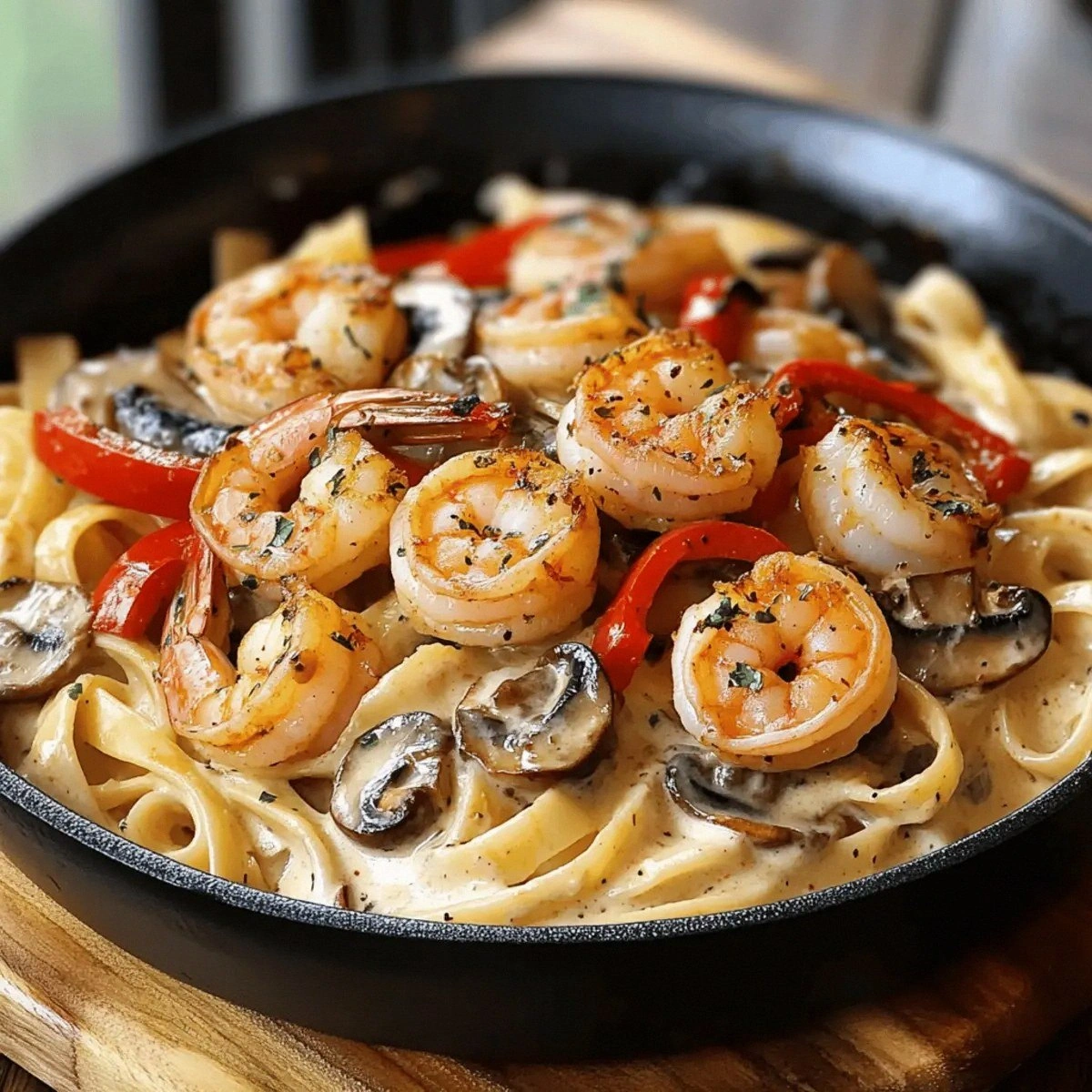
I was standing in my kitchen, staring at a half‑cooked pot of plain fettuccine, when my roommate shouted, “You’re doing dinner wrong!” That moment sparked a culinary rebellion that ended with a pan screaming, a skillet sweating, and a sauce that could convince even the most skeptical palate that Cajun meets classic Russian comfort food. The air was thick with the scent of sizzling butter and the sharp, smoky whisper of Cajun seasoning, while a distant radio played a jazzy sax solo that seemed to sync perfectly with the rhythm of the spatula. I could hear the faint pop of capers as they hit the hot pan, feel the buttery gloss of the sauce coat the pasta like a silk sheet, and taste the first bite that exploded with a creamy, peppery heat that made my taste buds do a little dance.
Most Stroganoff recipes rely on beef and a heavy cream base, but I wanted something lighter, quicker, and with a kick that would make you sit up straight at the dinner table. I grabbed a pound of fresh, plump shrimp, tossed them in a bold Cajun rub, and let them sizzle until they turned a gorgeous coral pink. The twist? A splash of chicken broth to de‑glaze, a swirl of sour cream for that luxurious mouthfeel, and a handful of roasted red peppers that add a smoky sweetness you never saw coming. This version is the love child of New Orleans street food and a cozy Eastern European classic, and it’s going to change the way you think about quick weeknight meals.
Picture this: you pull a steaming bowl of fettuccine from the pot, the sauce clings to each strand like velvet, and the shrimp sit on top, glistening with a caramelized crust. The aroma of garlic, butter, and Cajun spice fills the kitchen, making the whole house feel like a bustling bistro. The first forkful is a perfect harmony of creamy, tangy, and spicy, with the mushrooms adding an earthy depth that anchors the dish. I dare you to taste this and not go back for seconds—because once you’ve experienced that balance, nothing else will satisfy the same craving.
What truly sets this recipe apart is a secret technique I stumbled upon while watching a late‑night cooking show: I whisk a tablespoon of cornstarch into the sour cream before adding it to the pan. This prevents the sauce from curdling and gives it a glossy, restaurant‑quality finish that most home cooks miss. Okay, ready for the game‑changer? Keep reading, and I’ll walk you through every single step — by the end, you’ll wonder how you ever made it any other way.
What Makes This Version Stand Out
- Flavor Explosion: The Cajun seasoning infuses the shrimp with a smoky heat that pairs perfectly with the mellow sour cream, creating a contrast that dances on the palate.
- Texture Harmony: Tender shrimp, silky sauce, and al dente fettuccine create layers of mouthfeel that keep each bite interesting.
- Simplicity: All the ingredients are pantry‑friendly and the whole dish comes together in under 45 minutes, making it ideal for busy weeknights.
- Unique Ingredient Pairing: Roasted red bell peppers and capers add a bright, briny pop that you won’t find in traditional Stroganoff.
- Crowd‑Pleaser: Even picky eaters love the creamy sauce, while spice lovers appreciate the subtle Cajun heat.
- Quality Boost: Using fresh shrimp and good‑quality olive oil elevates the dish from “just okay” to “restaurant‑level.”
- One‑Pan Efficiency: The sauce, shrimp, and vegetables cook in the same skillet, reducing cleanup and preserving flavor.
- Make‑Ahead Friendly: You can prep the sauce in advance and finish the dish in minutes when you’re ready to eat.
Alright, let's break down exactly what goes into this masterpiece...
Inside the Ingredient List
The Flavor Base
Cajun seasoning is the heart‑throb of this dish. Its blend of paprika, garlic, onion, and cayenne delivers a smoky, slightly sweet heat that lifts the shrimp from ordinary to unforgettable. If you skip it, you’ll lose that signature kick, and the sauce will feel flat. A good swap is a homemade Creole blend or a dash of smoked paprika plus a pinch of chili powder, but nothing beats the ready‑made magic of a quality Cajun mix.
Olive oil does more than keep the shrimp from sticking; it carries the seasoning into the meat, ensuring every bite is evenly spiced. Choose extra‑virgin olive oil for a fruitier note, or go with a light “cooking” olive oil if you prefer a neutral backdrop that lets the Cajun shine.
The Texture Crew
Butter and mushrooms are the dynamic duo that builds the sauce’s body. Butter adds richness, while the mushrooms release umami that deepens the flavor profile. If you omit mushrooms, you’ll miss that earthy depth, and the sauce may feel a bit one‑dimensional. For a twist, try sliced shiitake or cremini for an even richer taste.
Shallots, with their mild onion flavor, melt into the sauce, creating a subtle sweetness that balances the heat. If you’re out of shallots, a finely diced onion works, but it will be a bit sharper—so consider a pinch of sugar to tame it.
The Unexpected Star
Roasted red bell peppers bring a smoky sweetness that cuts through the richness of the cream. Their bright color also makes the dish look Instagram‑ready. If you can’t find roasted peppers, you can char fresh peppers yourself under a broiler or on a grill, then peel and slice.
Capers add a briny pop that lifts the sauce, preventing it from feeling too heavy. They’re tiny, but they pack a punch. If you’re not a fan of capers, a splash of white wine vinegar or a few chopped green olives can provide a similar tang.
The Final Flourish
Sour cream is the silky finish that makes this Stroganoff creamy without being overly greasy. It also adds a subtle tang that brightens the dish. The key is to add it off the heat and whisk quickly to avoid curdling. If you’re dairy‑free, try a blend of coconut cream and a squeeze of lemon juice, though the flavor will shift toward tropical.
Cornstarch is the secret weapon that stabilizes the sauce, giving it a glossy sheen. Without it, the sauce could separate, especially if you reheat leftovers. A good alternative is a slurry of flour and water, but cornstarch yields a silkier texture.
Everything's prepped? Good. Let's get into the real action...
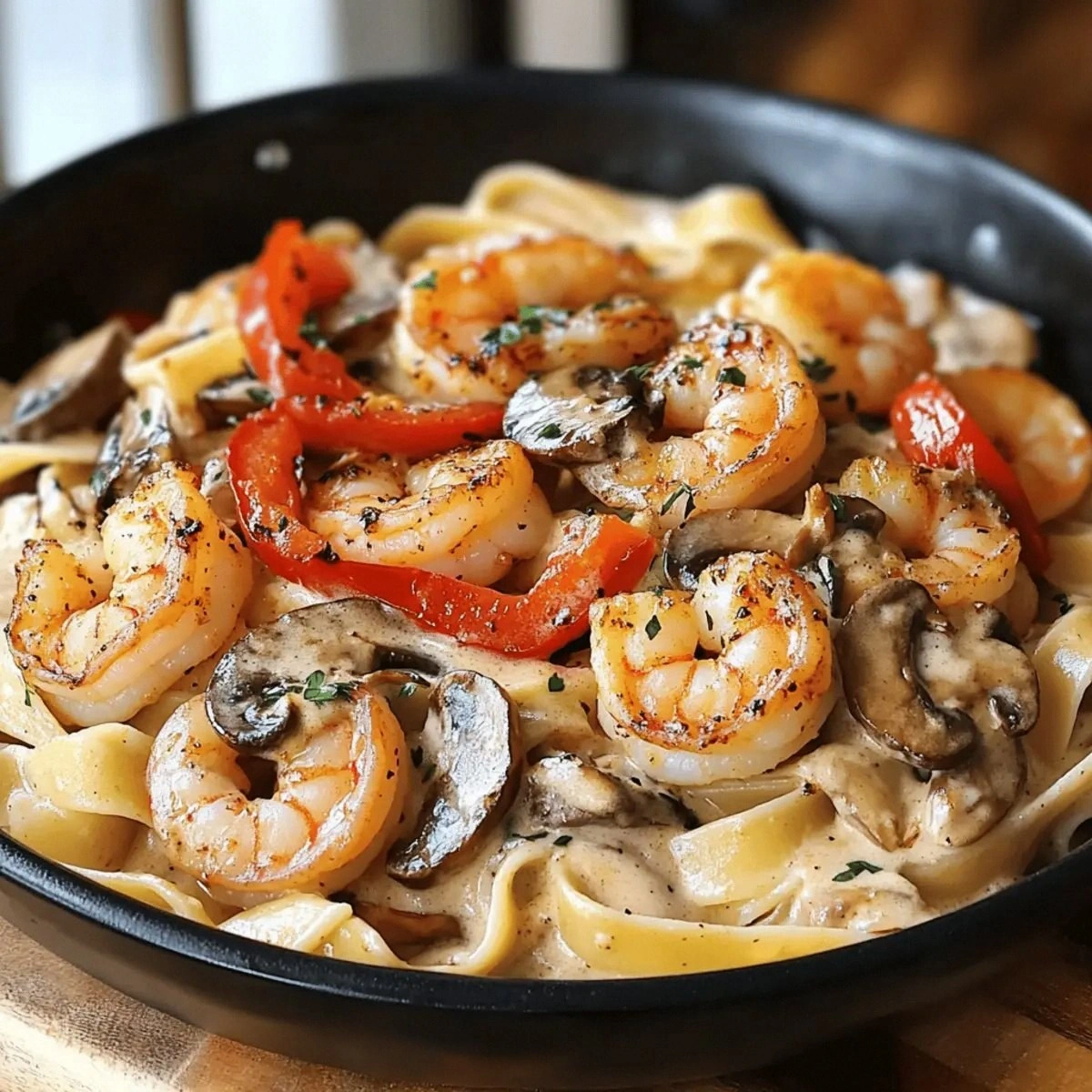
The Method — Step by Step
Start by bringing a large pot of salted water to a rolling boil. Add the fettuccini and cook until just al dente—about 9 minutes. Drain, reserving a cup of the pasta water, and set the noodles aside. That starchy water will be your secret weapon later when you need to loosen the sauce without diluting flavor.
While the pasta cooks, heat 2 tablespoons of olive oil in a wide skillet over medium‑high heat. Toss the shrimp with 2 teaspoons of Cajun seasoning, making sure each piece is evenly coated. The moment the shrimp hit the pan, you’ll hear a satisfying sizzle that promises flavor. Cook for 2‑3 minutes per side until they turn a vivid pink and start to curl. Watch out: overcooking shrimps turns them rubbery, so pull them as soon as they’re opaque.
Watch Out: If the pan gets too hot, the shrimp will burn before they’re cooked through. Adjust the heat to medium if you see the edges turning black.Remove the shrimp and set them aside on a plate. In the same skillet, add 2 tablespoons of butter and let it melt, listening for that gentle “whoosh.” Add the finely chopped shallots and let them soften for about 30 seconds—no browning, just a fragrant translucence.
Add the sliced mushrooms (1 cup) and sauté until they release their moisture and start to brown, about 4 minutes. This is the moment the kitchen smells like a forest after rain—earthy and inviting. Stir in the roasted red bell peppers and capers, letting them mingle for another minute.
Kitchen Hack: If you’re short on time, use jarred roasted red peppers; just drain them well to avoid excess liquid.Deglaze the pan with ⅔ cup of chicken broth, scraping up all the browned bits—those are flavor gold. Let the broth reduce by half, which should take about 3 minutes. The sauce will thicken slightly and develop a deeper, richer taste.
In a small bowl, whisk together the sour cream, cornstarch, and a splash of the reserved pasta water until smooth. This slurry prevents curdling and gives the sauce that glossy finish. Reduce the skillet’s heat to low, then gently stir the sour‑cream mixture into the pan. Keep the heat low; you’ll hear a faint “hiss” when the sauce starts to thicken—this is the point where the magic happens.
Return the cooked shrimp to the skillet, letting them re‑warm for a minute. Toss in the cooked fettuccine, using tongs to coat each strand evenly. If the sauce looks too thick, add a little more pasta water—just a tablespoon at a time—until you reach a silky, cling‑to‑the‑pasta consistency.
Finish with a generous pinch of salt and freshly cracked black pepper to taste. Give everything one last gentle toss, then remove from heat. Let the dish sit for two minutes; this rest allows the flavors to meld, and the sauce will settle into a perfect velvety coat.
Kitchen Hack: For an extra layer of flavor, finish with a drizzle of melted butter or a sprinkle of fresh parsley just before serving.
That's it — you did it. But hold on, I've got a few more tricks that'll take this to another level...
Insider Tricks for Flawless Results
The Temperature Rule Nobody Follows
Never add sour cream to a boiling pan. The high heat will cause the dairy proteins to seize, resulting in a grainy texture. Instead, lower the heat to a gentle simmer before incorporating the sour cream, and whisk continuously. I once tried to shortcut this step and ended up with a curdled mess that looked like a failed science experiment. Trust me, the extra minute of patience is worth the silky finish.
Why Your Nose Knows Best
Your sense of smell is the ultimate doneness gauge. When the shrimp turn pink and emit a fragrant, slightly sweet aroma, they’re done. If you hear a faint “pop” as the shrimp hit the pan, that’s the Maillard reaction kicking in, and you’re on the right track. If the kitchen starts smelling burnt, you’ve gone too far—immediately remove the pan from heat and transfer the shrimp to a plate.
The 5‑Minute Rest That Changes Everything
After you finish cooking, let the dish rest off the heat for five minutes. This short pause lets the starches in the pasta absorb the sauce, creating a cohesive mouthfeel. I once served the dish straight from the skillet, and the sauce clung unevenly, leaving some noodles dry. The rest period ensures every bite is uniformly creamy.
Capers: Tiny Flavor Bombs
Capers are often overlooked, but they add a briny brightness that cuts through the richness. If you’re allergic to capers, swap them for a teaspoon of finely chopped dill pickles; you’ll still get that tangy pop without the texture.
The Pasta Water Trick
Never underestimate the power of starchy pasta water. Adding a splash at the end helps emulsify the sauce, giving it that restaurant‑style sheen. If you forget, the sauce may separate when reheated, but a quick stir with a bit of water will bring it back.
Creative Twists and Variations
This recipe is a playground. Here are some of my favorite ways to switch things up:
Smoky Bacon Boost
Crumble 4 strips of cooked bacon into the sauce just before adding the shrimp. The smoky, salty crunch adds a whole new dimension that pairs beautifully with the Cajun spice.
Vegetarian Delight
Replace shrimp with firm tofu cubes, marinated in the same Cajun seasoning. The tofu absorbs the flavors, delivering a protein‑rich version that still has that creamy sauce.
Mediterranean Flair
Swap capers for kalamata olives and add a handful of baby spinach at the end. The olives bring a deeper brine, while the spinach adds a fresh pop of green.
Spicy Heatwave
Add a diced jalapeño or a dash of hot sauce when sautéing the mushrooms. This will crank the heat up a notch for those who love a fiery bite.
Creamy Coconut Twist
Replace the sour cream with coconut cream and add a squeeze of lime. The result is a tropical‑Cajun hybrid that’s perfect for summer evenings.
Storing and Bringing It Back to Life
Fridge Storage
Allow the dish to cool to room temperature, then transfer it to an airtight container. It will keep for up to 3 days. When reheating, add a splash of water or broth and stir gently over low heat to restore the sauce’s silkiness.
Freezer Friendly
Portion the cooked pasta and sauce (without the shrimp) into freezer‑safe bags. Freeze for up to 2 months. Thaw overnight in the fridge, then reheat on the stovetop, adding fresh shrimp at the end for optimal texture.
Best Reheating Method
The stovetop is king. Warm the sauce over low heat, stirring constantly, and add a tablespoon of water or broth for steam. Toss in the pasta and shrimp just before serving to avoid overcooking the seafood.