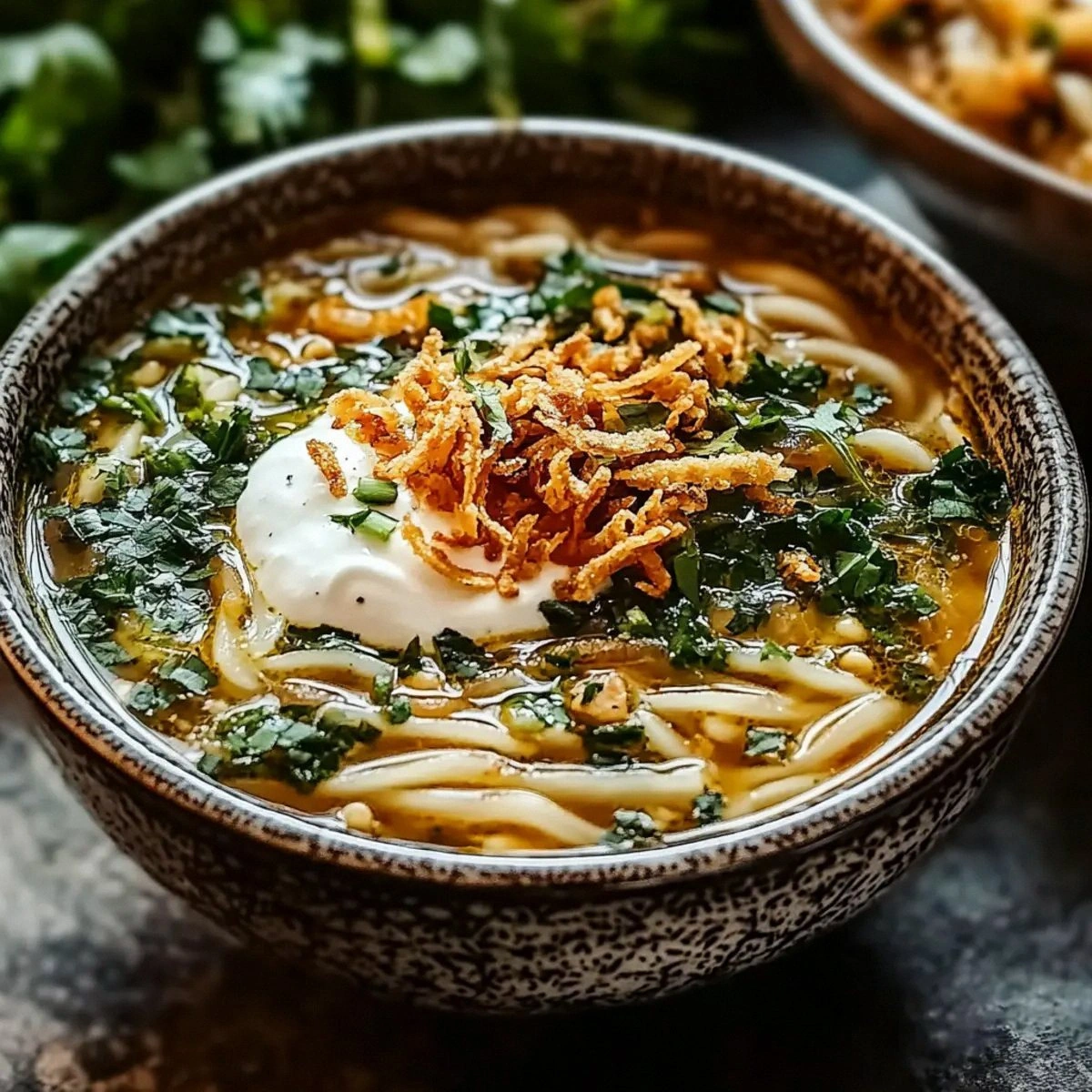
Picture this: it’s a rainy Saturday evening, you’re halfway through a marathon of your favorite sitcom, and the fridge looks like a culinary desert. You open the door, and the smell of wilted spinach and a faint whisper of basil hits you like a forgotten memory. You reach for the pantry, and there it is—an old jar of basil pesto, a splash of heavy cream, and a handful of fresh veggies that could double as a side salad. That moment of culinary curiosity turns into a daring experiment: a creamy, green, veggie‑laden pasta that will not only fill the void but also steal the show.
I’ve had my fair share of pasta mishaps—overcooked noodles that feel like mush, sauces that separate like a bad marriage, and veggies that end up mushy and forgettable. This time, I decided to rewrite the rulebook. I wanted a sauce that glides over pasta like silk, veggies that stay crisp, and a finish that feels like a secret garden on a sunny hillside. The result? A dish that’s so indulgent yet bright that it could double as a main course or a side for any crowd. I dare you to taste this and not go back for seconds.
What sets this version apart is not just the combination of ingredients but the way they interact. The heavy cream and pesto fuse into a velvety base that coats each strand of pasta, while the garlic adds a punch that cuts through the richness. The zucchini, cherry tomatoes, and bell peppers bring a pop of color and a burst of sweet‑savory crunch that keeps the dish from feeling heavy. And the baby spinach, tossed in at the last moment, adds a silky green that balances everything. The finish—a sprinkle of Parmesan, pine nuts, and fresh basil—creates layers of flavor that make every bite feel like a revelation.
I’ve spent hours tweaking this recipe, and the final touch that made it truly special was the subtle use of pine nuts. They add a nutty crunch that contrasts the creamy sauce and the tender veggies. It’s a detail most recipes overlook, but it elevates the dish from ordinary to unforgettable. By the end, you’ll wonder how you ever made it any other way. Let me walk you through every single step—by the end, you’ll wonder how you ever made it any other way.
What Makes This Version Stand Out
- Flavor: The basil pesto and heavy cream blend into a sauce that feels luxurious yet bright, like a summer breeze in a bowl.
- Texture: The veggies stay crisp and juicy, providing a satisfying bite that balances the silky sauce.
- Simplicity: With only ten ingredients, the recipe is quick to assemble yet impressively complex in flavor.
- Uniqueness: The combination of pine nuts and fresh basil leaves creates a layered finish that most pasta dishes miss.
- Crowd Reaction: Even the most skeptical diners will be begging for seconds—this is hands down the best version you'll ever make at home.
- Ingredient Quality: Using fresh, seasonal produce ensures that every bite bursts with real flavor.
- Cooking Method: The technique of sautéing the veggies first and then adding the sauce preserves texture and depth.
- Make‑Ahead Potential: The dish can be prepared ahead and reheated with minimal loss of quality, making it perfect for busy evenings.
Inside the Ingredient List
The Flavor Base
Basil pesto is the soul of this dish. Its bright, herbal notes anchor the creamy texture, providing a fresh counterpoint to the richness of the heavy cream. If you’re using a store‑bought jar, look for one that’s made with a good ratio of basil to oil—ideally at least 20% basil. Skipping the pesto would leave the sauce flat; the only alternative is a homemade pesto, which can be made in minutes with a blender.
Heavy cream is the vehicle that turns the pesto into a silky sauce. It thickens the mixture and adds a luxurious mouthfeel that makes the dish feel indulgent. If you’re watching calories, a half‑and‑half or even a plant‑based cream can substitute, but the flavor profile will shift slightly.
The Texture Crew
Zucchini, cherry tomatoes, and bell peppers bring color, crunch, and sweetness. Each vegetable adds a distinct texture: zucchini offers a subtle chew, tomatoes bring juicy bursts, and bell peppers give a satisfying snap. Together, they create a dynamic bite that keeps the dish from becoming soggy.
Baby spinach is the final flourish. Added at the very end, it wilts quickly, retaining its bright green color and adding a mild earthiness that ties all the flavors together. If you’re missing spinach, a handful of arugula or kale can work, but the taste will differ.
The Unexpected Star
Pine nuts are the secret weapon that adds crunch and a subtle nutty flavor. Toast them lightly in a dry skillet to bring out their aroma—this step is quick and adds a professional touch. If pine nuts aren’t available, walnuts or pecans can substitute, though the crunch will be slightly different.
The Final Flourish
Parmesan cheese and fresh basil leaves finish the dish with depth and brightness. The Parmesan adds a savory, umami layer, while the basil leaves contribute a fresh, aromatic lift. If you’re vegan, nutritional yeast can replace the Parmesan for a cheesy note.
Everything's prepped? Good. Let's get into the real action.
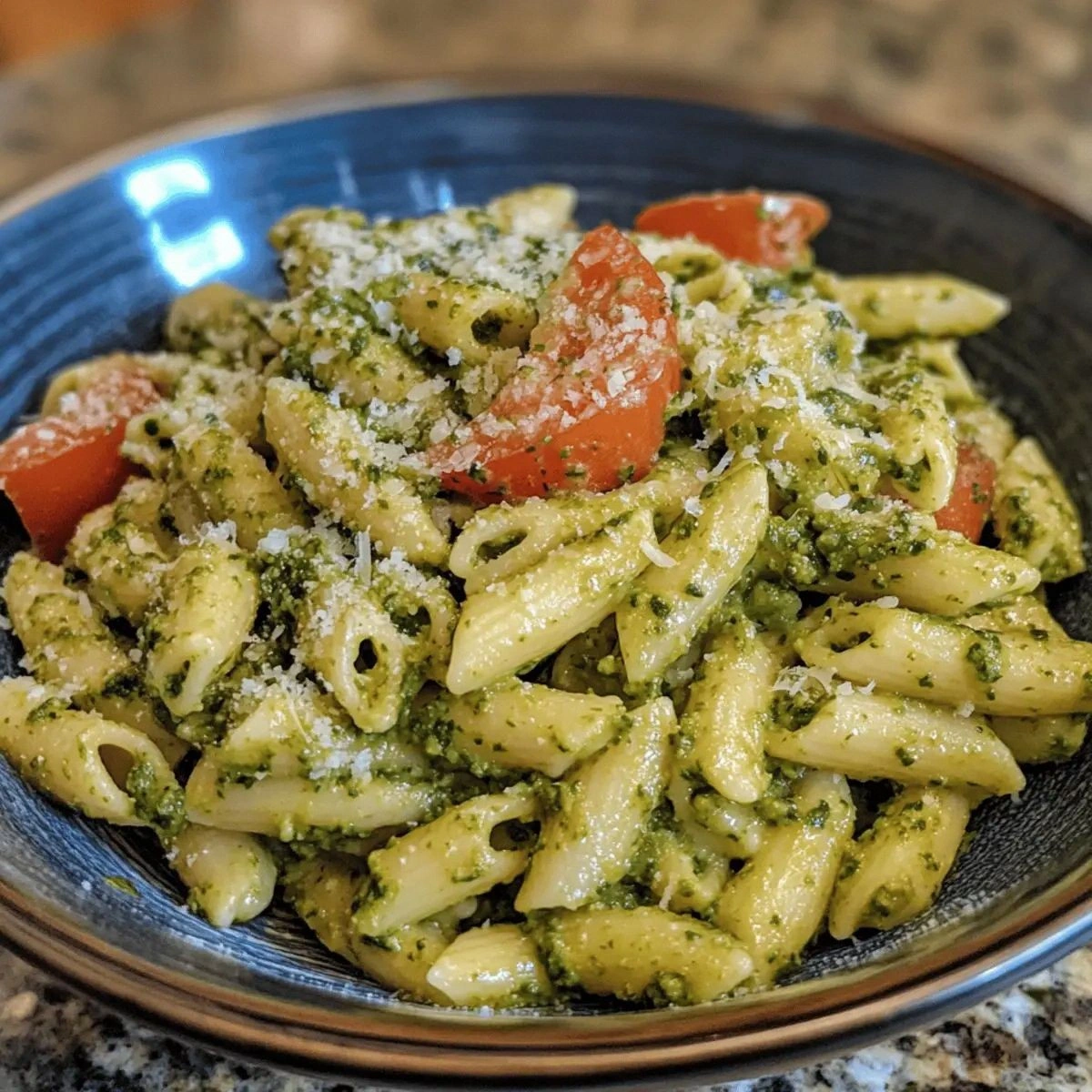
The Method — Step by Step
- Bring a large pot of salted water to a rolling boil. Add the pasta and cook until al dente, about 8-10 minutes. Reserve a cup of pasta water before draining. The pasta should still have a slight bite; overcooking will ruin the texture.
- While the pasta cooks, heat a large skillet over medium‑high heat and add a splash of olive oil. Toss in the sliced zucchini, diced bell peppers, and halved cherry tomatoes. Sauté for 3-4 minutes until the veggies are bright and just beginning to soften. The edges should start to caramelize, giving a subtle crunch.
- Add the minced garlic to the skillet and sauté for 30 seconds until fragrant. Be careful not to burn it—garlic turns bitter quickly. The aroma should fill the kitchen like a warm hug.
- Stir in the basil pesto and heavy cream, then bring the mixture to a gentle simmer. The sauce should thicken slightly and coat the back of a spoon. If it seems too thick, add a splash of the reserved pasta water to reach your desired consistency.
- Return the drained pasta to the skillet, tossing it with the sauce and veggies until everything is evenly coated. The pasta should feel glossy, like a polished marble surface.
- Add the baby spinach, tossing quickly until it wilts. This should take about 30 seconds. The spinach will add a fresh, green burst that brightens the dish.
- Remove the skillet from heat and stir in the grated Parmesan and toasted pine nuts. The cheese should melt into the sauce, creating a creamy, nutty layer. If you’re vegan, substitute with nutritional yeast.
- Finish with a handful of fresh basil leaves, tossing them in for a burst of aroma. Plate immediately, ensuring each forkful has a balance of sauce, veggies, and noodles.
That's it — you did it. But hold on, I've got a few more tricks that'll take this to another level.
Insider Tricks for Flawless Results
The Temperature Rule Nobody Follows
Cooking pasta at a rolling boil ensures even cooking. If the water isn’t hot enough, the noodles will absorb too much water and become mushy. Keep the heat high until the pasta is ready, then reduce to medium for the final minutes of simmering.
Why Your Nose Knows Best
Smell is a powerful indicator of flavor development. As the veggies sauté, the aroma should shift from raw to caramelized. If it still smells like raw onions or garlic, give it a minute longer. A strong, pleasant aroma signals that the flavors are fully released.
The 5‑Minute Rest That Changes Everything
After removing the skillet from heat, let the dish rest for five minutes before serving. This brief pause allows the sauce to thicken and the flavors to meld. A rested dish feels more cohesive and luxurious.
The Secret to Perfect Crunch
When sautéing the veggies, keep the heat high enough to sear but not so high that they burn. A quick sear locks in the natural sugars, giving a sweet, caramelized edge that contrasts the creamy sauce. If the veggies look too dark, reduce the heat slightly and cook longer.
How to Avoid a Creamy Mess
If the sauce seems too thick, add a splash of pasta water, not just plain water. The starch in the pasta water helps emulsify the sauce, keeping it silky and preventing separation. A few tablespoons are enough to restore the right consistency.
The Final Touch of Freshness
Adding fresh basil at the end keeps the herb’s bright flavor intact. If you wait too long, the basil will wilt and lose its aromatic oils. Toss it in just before plating, and you’ll get a burst of green that lifts the whole dish.
Creative Twists and Variations
This recipe is a playground. Here are some of my favorite ways to switch things up:
Pesto Swap: Sun‑Dried Tomato Pesto
Replace basil pesto with sun‑dried tomato pesto for a smoky, tangy twist. The tomato flavor pairs beautifully with the creamy base, creating a bold, Mediterranean vibe.
Protein Boost: Grilled Chicken
Add sliced grilled chicken breast for a protein punch. The lean meat balances the richness and makes the dish more filling, ideal for a post‑workout meal.
Vegan Vibes: Cashew Cream
Swap heavy cream for cashew cream to make the dish dairy‑free. Blend soaked cashews with water until smooth, then use it in place of cream for a creamy, nutty texture.
Low‑Calorie Option: Zucchini Noodles
Use spiralized zucchini noodles instead of regular pasta. This reduces carbs while keeping the dish hearty and satisfying.
Winter Warmth: Roasted Root Veggies
Swap the fresh veggies with roasted carrots, parsnips, and sweet potatoes. The caramelized sugars add depth, making it perfect for a cozy winter dinner.
Gluten‑Free: Rice Pasta
If you’re gluten‑sensitive, use a high‑protein rice pasta. It holds up well in the sauce and maintains a satisfying bite.
Storing and Bringing It Back to Life
Fridge Storage
Store leftovers in an airtight container in the refrigerator for up to 3 days. Keep the sauce separate from the pasta if possible; reheat together only when serving to maintain texture.
Freezer Friendly
Freeze the sauce in a freezer‑safe container for up to 2 months. Reheat on the stove over low heat, adding a splash of water or broth to restore creaminess.
Best Reheating Method
Reheat the dish on the stovetop, stirring frequently. Add a tiny splash of water or milk before reheating—it steams the pasta back to perfection, preventing it from drying out.