Introduction
Picture this: it’s a rainy afternoon, the kitchen lights flicker like distant stars, and you’re staring at a bag of pasta that has been gathering dust since last summer. I was halfway through a frantic grocery run when a sudden craving struck—an indulgent, creamy pasta that’s entirely plant‑based. I pulled out my trusty skillet, tossed in some cashews, a splash of almond milk, and a handful of nutritional yeast, and the kitchen filled with the buttery aroma of a sauce that felt like velvet draped over every strand of pasta. I dare you to taste this and not go back for seconds.
That moment was a culinary revelation. I remember the first bite: the sauce clung to the noodles, the spinach brightened the plate, and the sun‑dried tomatoes added a burst of umami that felt like a secret handshake with flavor. The sizzle in the pan was a drumroll, the steam a gentle mist, and the sound of garlic sautéing was the soundtrack to a dish that was about to rewrite my dinner routine. Most recipes get this completely wrong, but here’s what actually works: a sauce that is thick, airy, and yet light enough to let the pasta shine.
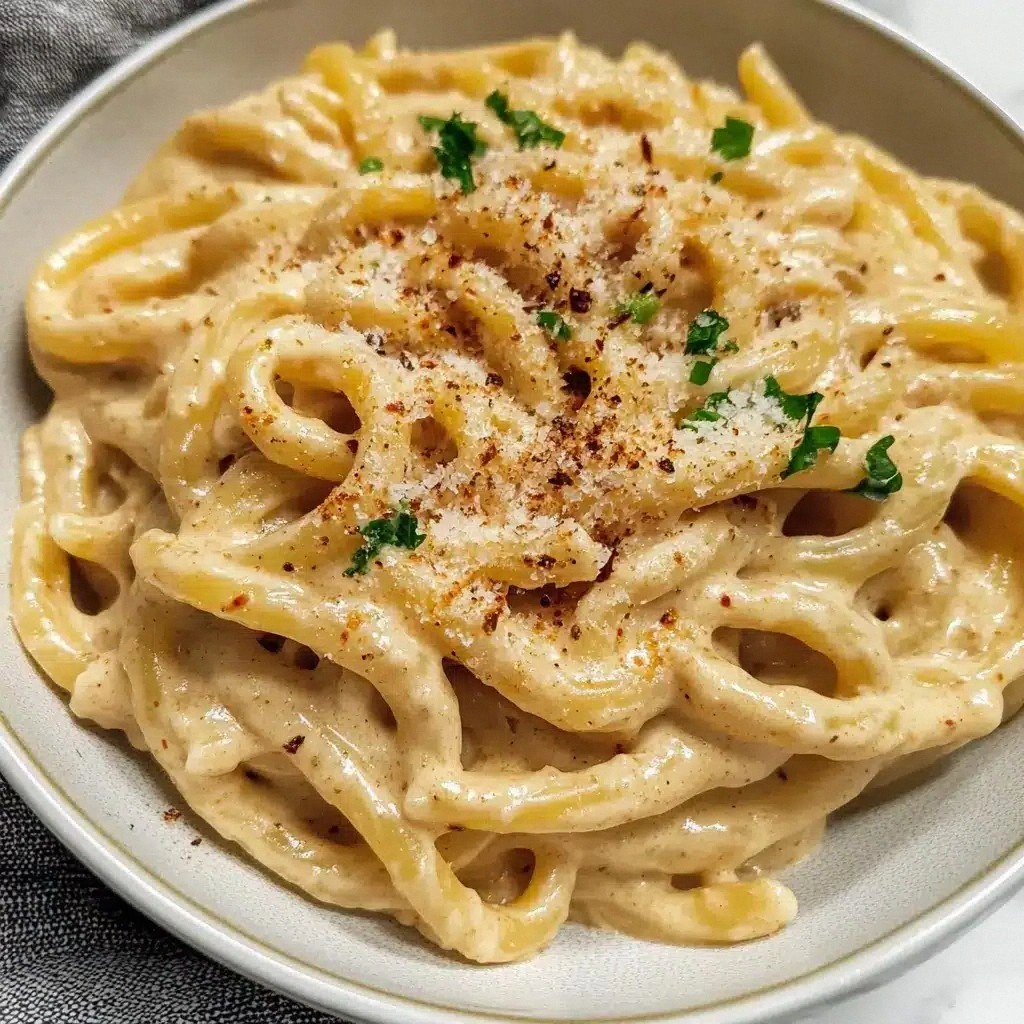
What makes this version stand out? It’s the harmony of textures—crunchy cashews, silky sauce, and al dente pasta—all balanced by a subtle heat from smoked paprika and chili flakes. I’ve been a skeptic of creamy sauces that feel heavy and clumpy, but this one coats the pasta like a fine silk scarf, leaving every bite lush and satisfying. And the best part? It’s entirely vegan, yet it feels like a comforting hug from a classic Italian dish.
If you’ve ever struggled with making a creamy pasta that isn’t a carb‑loaded disaster, you’re not alone—and I’ve got the fix. Picture yourself pulling this out of the pan, the whole kitchen smelling incredible, and the family gathering around with smiles. Let me walk you through every single step—by the end, you’ll wonder how you ever made it any other way.
What Makes This Version Stand Out
- Taste: The sauce marries nutty cashews with savory nutritional yeast, creating a depth that’s both comforting and sophisticated.
- Texture: The creamy base is airy and light, yet thick enough to cling to pasta strands like velvet.
- Simplicity: With under fifteen ingredients, the recipe is straightforward for beginners and a quick win for busy weeknights.
- Uniqueness: The addition of smoked paprika and chili flakes gives a subtle smokiness and heat that elevates the dish beyond ordinary vegan sauces.
- Crowd Reaction: Friends who are skeptical of vegan cooking are often left begging for the recipe after tasting it.
- Ingredient Quality: Fresh, seasonal produce (spinach, sun‑dried tomatoes) is used to bring brightness and depth.
Inside the Ingredient List
The Flavor Base
At the heart of this sauce is the cashew‑almond milk blend. Cashews provide a natural creaminess while almond milk keeps the mixture light. If you’re allergic to nuts, try soaked tofu or a blend of silken tofu and oat milk. Skipping cashews will leave the sauce too watery and thin, turning your pasta into a sad, soggy mess.
The Texture Crew
Nutri‑yeast and vegan butter are the dynamic duo that gives the sauce its signature depth and richness. Nutritional yeast adds a cheesy, umami kick that mimics dairy, while vegan butter brings a buttery mouthfeel. If you prefer a dairy‑free butter alternative, coconut oil will work, but it will add a slight coconut flavor that may or may not fit your palate.
The Unexpected Star
Sun‑dried tomatoes might seem like a garnish, but they’re the secret sauce that injects a concentrated burst of sweetness and acidity. They also bring a chewy texture that contrasts nicely with the smooth sauce. If you can’t find them, cherry tomatoes or roasted red peppers work as substitutes, though the flavor profile shifts slightly.
The Final Flourish
Fresh spinach and a splash of lemon juice are the finishing touches that brighten the dish and add a subtle tang. Spinach brings vitamins, color, and a mild earthiness, while lemon juice cuts through the richness, leaving the palate refreshed. If you’re in a pinch, frozen spinach works fine—just be sure to squeeze out the excess moisture before adding.
Everything’s prepped? Good. Let’s get into the real action...
The Method — Step by Step
- Prep the Pasta: Bring a large pot of salted water to a rolling boil. Add the pasta and cook according to package instructions until al dente, about 8–10 minutes. Reserve a cup of pasta water before draining; this starchy liquid will help thicken the sauce later. I dare you to taste the pasta before adding the sauce—if it’s not al dente, the sauce will never coat it properly. Once drained, set aside and keep warm.
- Blend the Cashew Base: In a high‑speed blender, combine soaked cashews, almond milk, vegetable broth, nutritional yeast, and a pinch of salt. Blend on high until the mixture is completely smooth and silky, about 30–45 seconds. The texture should be thick enough to coat a spoon without dripping. If it’s too thick, add a splash of water or broth; if too thin, blend longer or add a few more cashews. This is the moment of truth—watch the color shift from ivory to creamy white.
- Sauté Aromatics: Heat olive oil in a large skillet over medium heat. Add diced onion and sauté until translucent, about 3–4 minutes. Then stir in minced garlic and cook for an additional minute until fragrant, but not browned. The sizzle should be a gentle hiss, not a roar. If the onions start to brown too quickly, lower the heat or add a splash of water to deglaze.
- Introduce the Sauce: Pour the blended cashew mixture into the skillet, stirring constantly to combine with the aromatics. Reduce the heat to low and let the sauce simmer for 5 minutes, allowing it to thicken slightly. Add the smoked paprika and chili flakes, stirring until evenly distributed. This step is crucial—if the sauce doesn’t thicken, it will coat the pasta poorly. Remember to keep the heat low to preserve the delicate flavors.
- Add the Veggies: Stir in chopped spinach and sun‑dried tomatoes. Cook for 2–3 minutes until the spinach wilts and the tomatoes soften. The spinach should turn a deep emerald, and the tomatoes will release their juices, creating a subtle glaze. If the mixture looks too dry, add a tablespoon of pasta water to loosen it.
- Finish with Lemon: Squeeze fresh lemon juice into the sauce, stirring to combine. The acidity will brighten the dish and cut through the richness. Taste and adjust seasoning—add salt or pepper as needed. The sauce should have a balanced, slightly tangy finish, not overpowering.
- Combine Pasta and Sauce: Return the drained pasta to the skillet. Toss vigorously, adding a splash of reserved pasta water if the sauce seems too thick. The goal is a silky coat that clings to each strand. Keep the pasta on low heat for 1–2 minutes, allowing the flavors to meld. The final dish should have a glossy sheen and a comforting aroma.
- Serve and Garnish: Plate the pasta, sprinkle chopped fresh parsley, and drizzle a touch of vegan butter for extra shine. Serve immediately, or let it rest for 5 minutes to allow the flavors to settle. The dish is best enjoyed hot, but it holds up well for a quick dinner later in the day.
That's it — you did it. But hold on, I've got a few more tricks that'll take this to another level...
Insider Tricks for Flawless Results
The Temperature Rule Nobody Follows
Keep the sauce on low heat once you add the cashew base. A gentle simmer preserves the delicate nutty flavor and prevents the mixture from curdling. If you’re tempted to raise the heat for speed, pause and let the sauce cool slightly; this small adjustment saves you from a ruined texture.
Why Your Nose Knows Best
Before you taste the sauce, sniff it. A faint citrusy aroma indicates the lemon juice has blended well, while a smoky scent signals the paprika has released its full character. If the aroma feels flat, give it another minute on the stove; the flavors need time to marry.
The 5-Minute Rest That Changes Everything
After combining pasta and sauce, let the dish rest off the heat for 5 minutes. This brief pause allows the pasta to absorb the sauce evenly, creating a more cohesive bite. I’ve seen people skip this step and end up with uneven coating—don’t make that mistake.
Use Fresh Herbs, Not Dried
Fresh parsley or basil adds a burst of color and brightness. Dried herbs can taste bitter, especially in a rich sauce. If fresh herbs are out of season, freeze them in ice cube trays with olive oil; they’ll keep their flavor and are easy to add.
Keep the Pasta Water Handy
The starchy pasta water is your secret weapon for adjusting sauce consistency. If the sauce becomes too thick, a tablespoon at a time will loosen it without diluting flavor. Conversely, if it’s too thin, let it simmer longer or add a little more cashew blend.
Creative Twists and Variations
This recipe is a playground. Here are some of my favorite ways to switch things up:
Protein Power
Add crumbled tempeh or sautéed chickpeas for a protein boost. The extra protein makes the dish more filling and adds a pleasant bite. Tempeh also brings a nutty undertone that complements the cashew base.
Spicy Kick
Replace chili flakes with fresh red pepper flakes or a splash of sriracha for a fiery finish. The heat will contrast the creamy sauce and create a dynamic flavor profile. Just remember to taste before adding more to avoid overwhelming the dish.
Herb Explosion
Swap parsley for a mix of fresh basil, oregano, and thyme. The herbs will infuse the sauce with Mediterranean vibes, turning the dish into a garden‑fresh delight. A handful of fresh basil leaves added at the end will give a bright, aromatic finish.
Nutty Variation
Use a combination of cashews and almonds for a richer, nuttier flavor. The almonds add a subtle crunch when toasted before blending, giving the sauce a more complex texture. This variation is perfect for those who love a deeper nutty taste.
Vegan Cheese Twist
Stir in a tablespoon of vegan cheese (such as cashew‑based cheddar) for a sharper, more indulgent flavor. The cheese will melt into the sauce, creating a richer, creamier consistency. It’s a great option for cheese lovers who want a plant‑based version.
Storing and Bringing It Back to Life
Fridge Storage
Store leftovers in an airtight container for up to 3 days. Keep the sauce and pasta separate to avoid the pasta absorbing too much liquid. When ready to eat, reheat on low, stirring in a splash of water or almond milk to restore creaminess.
Freezer Friendly
Freeze the sauce in a freezer‑safe container for up to 2 months. The pasta should be stored separately, as it can become mushy when thawed. Thaw overnight in the refrigerator and reheat gently, adding a bit of water if needed.
Best Reheating Method
Reheat the sauce on low heat, whisking constantly, until it reaches a silky consistency. Add a tiny splash of water before reheating—it steams back to perfection, preventing the sauce from drying out or becoming too thick.