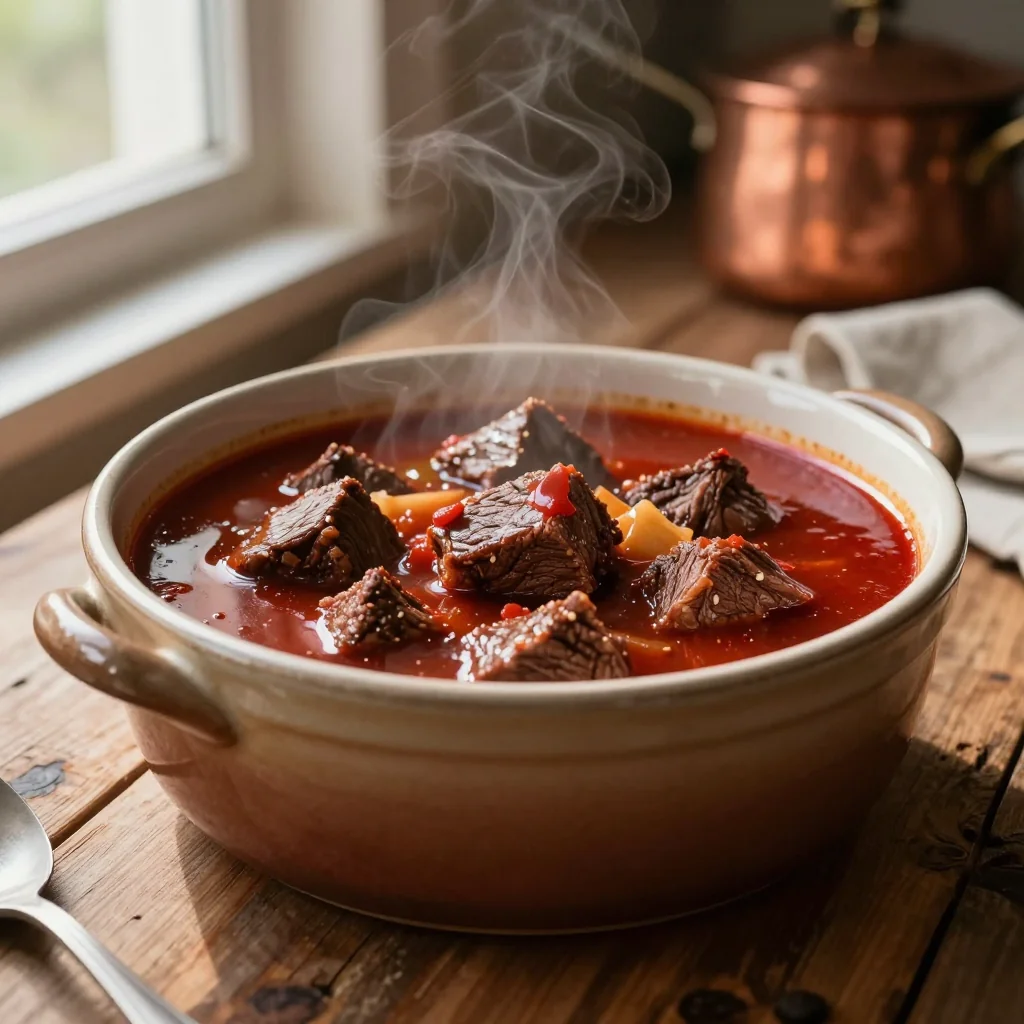
A timeless, hearty stew that marries tender beef with the deep, velvety notes of red wine.
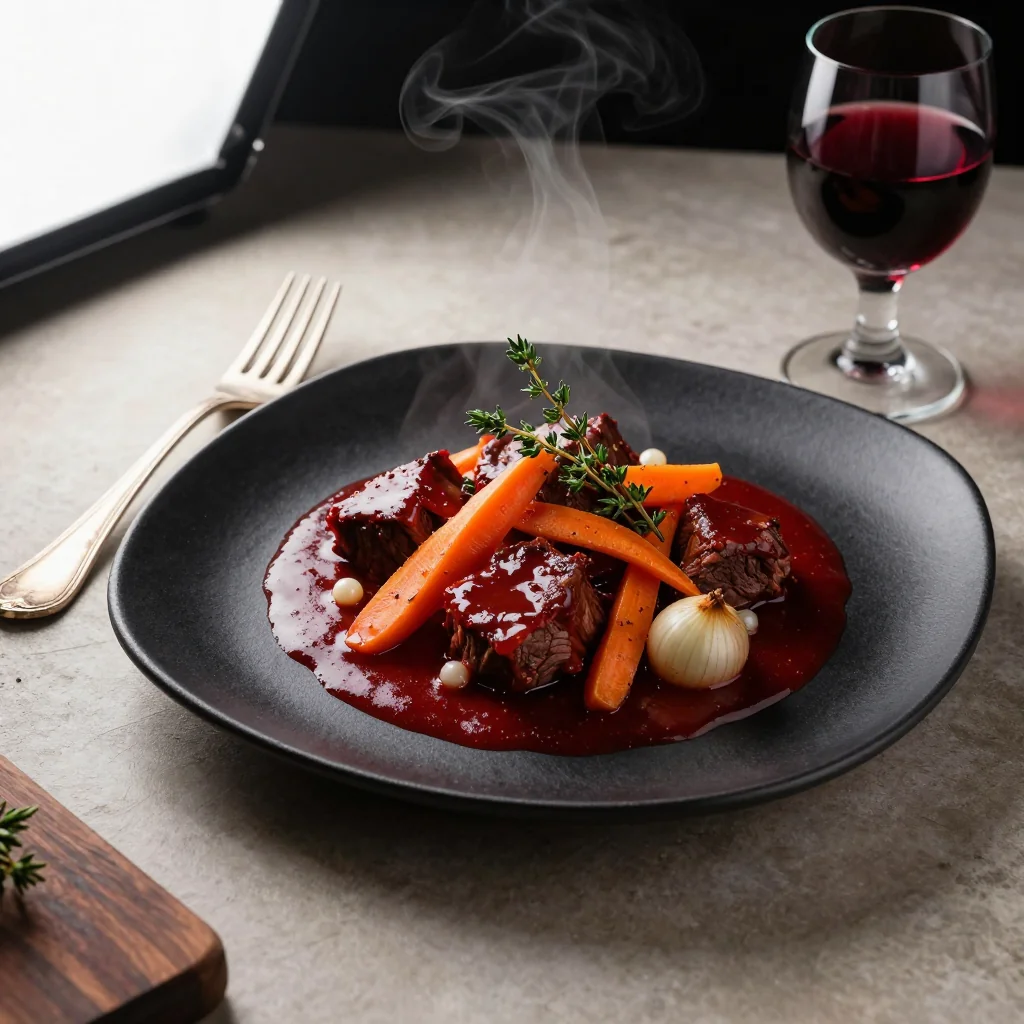
The first time I tasted a proper beef stew, I was a teenager visiting my grandmother’s countryside cottage in the Loire Valley. The aroma of slow‑cooked beef, mingling with the earthy scent of red wine and fresh herbs, wrapped around me like a warm blanket on a chilly autumn evening. I remember how the steam curled up, revealing a tapestry of caramelized onions, tender carrots, and glossy potatoes, each bite delivering a comforting, almost nostalgic, burst of flavor.
This dish, rooted in French tradition, has traveled across borders and centuries, evolving into a beloved staple in kitchens worldwide. The marriage of robust beef and a good quality red wine creates a depth that simple broth could never achieve. It’s a celebration of patience, of letting flavors develop slowly, and of sharing a hearty bowl with loved ones.
In this guide, I’ll walk you through every nuance—from selecting the perfect cut of beef to mastering the art of deglazing with wine—so you can recreate that magical experience in your own kitchen. You’ll learn why each step matters, how to adjust the recipe for different dietary needs, and how to present the stew like a professional chef.
I’m thrilled to share this cherished family recipe with you, and I can’t wait to see the smiles it brings to your table. Let’s dive in and make a stew that will become a cornerstone of your culinary repertoire!
🌟 Why This Recipe Will Captivate You
From the first aromatic sizzle to the final, glossy spoonful, this stew offers a symphony of flavors and textures that will keep you coming back for more.
- ✨ Deep, Wine‑Infused Flavor: The red wine not only adds richness but also tenderizes the beef, creating a melt‑in‑your‑mouth texture that’s impossible to resist.
- ✨ Balanced Nutrition: Packed with protein, fiber from vegetables, and antioxidants from wine, this stew offers a wholesome meal without compromising taste.
- ✨ Versatile Pairings: Whether you serve it with crusty bread, buttery mashed potatoes, or a simple green salad, the stew adapts beautifully.
- ✨ Time‑Honored Tradition: Rooted in classic French cuisine, it brings a touch of culinary heritage to your modern kitchen.
- ✨ Simple Yet Sophisticated: The ingredient list is straightforward, yet the slow cooking process elevates it to restaurant‑quality.
- ✨ Crowd‑Pleaser: Its comforting nature makes it perfect for family gatherings, potlucks, or a quiet night in.
🥗 The Ingredients
📝 Complete Ingredient List
For the Stew Base:
For the Garnish:
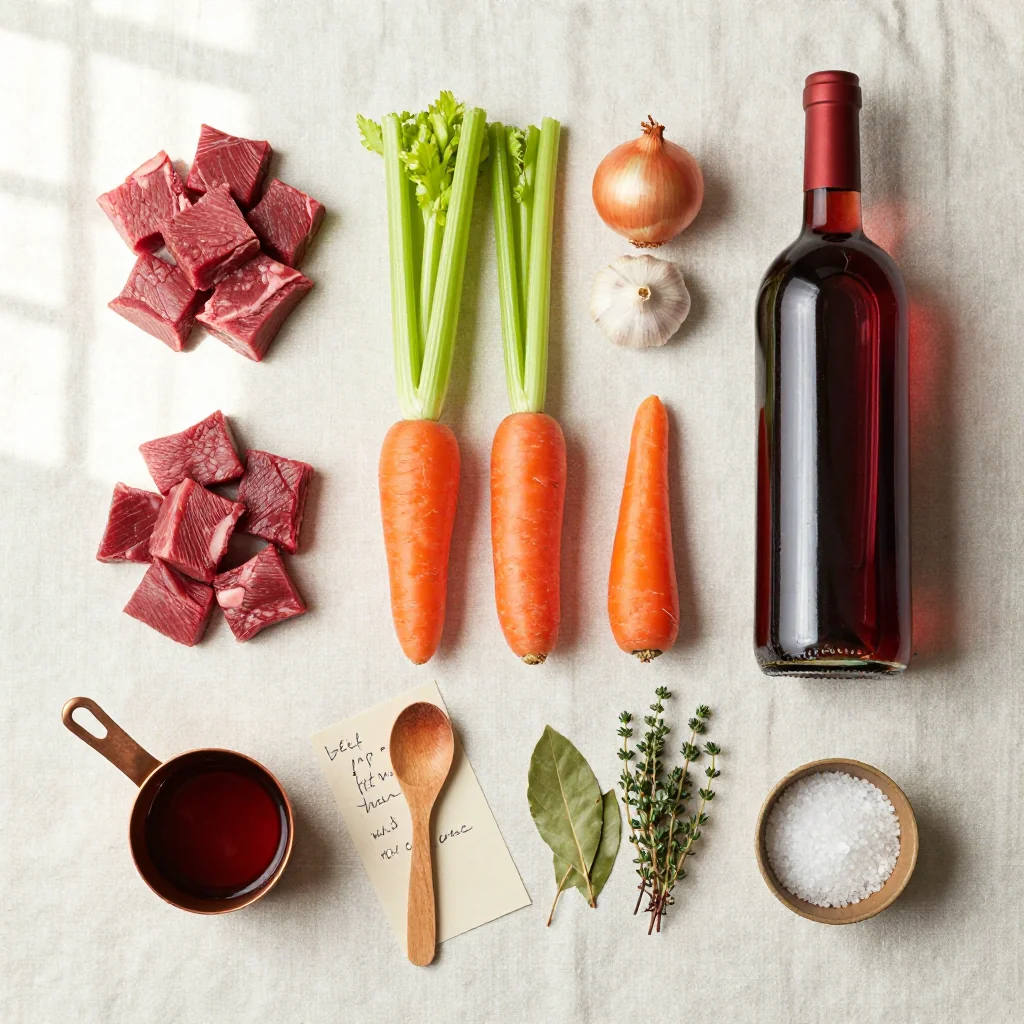
🔍 Focus on Key Ingredients
Beef Chuck
Beef chuck is the workhorse of any stew. Its connective tissue breaks down during long, slow cooking, releasing gelatin that gives the broth a silky mouthfeel. Look for meat with a good amount of marbling; the fat renders into the sauce, enriching the flavor. If you can, ask your butcher to cut the pieces uniformly so they cook evenly.
Red Wine
A full‑bodied red wine adds acidity, depth, and a subtle fruitiness that balances the richness of the beef. Choose a wine you would enjoy drinking; the cooking process concentrates its flavors, so a cheap bottle may result in a flat stew. Cabernet Sauvignon, Merlot, or a robust Bordeaux work beautifully.
Tomato Paste
Tomato paste provides umami and a hint of sweetness, while also helping to thicken the stew. It also contributes a deep ruby hue that makes the final dish visually appealing. For a smoother texture, sauté the paste briefly to caramelize its natural sugars before adding liquids.
🔄 Quick Substitutions
| If you don’t have... | Use instead... |
|---|---|
| Beef broth | Water + 1 bouillon cube (low‑salt) |
| Red wine | Dry sherry or pomegranate juice (adds acidity) |
| Fresh thyme | 1 tsp dried thyme (use half the amount) |
👨🍳 Step‑by‑Step Instructions
Follow these detailed steps to achieve a stew that’s both flavorful and tender. Take your time, and enjoy the aromas that develop along the way.
📋 Phase 1: Preparation & Mise en Place
Gather, chop, and prep all ingredients before you start cooking.
Trim and Cube the Beef
Pat the beef cubes dry with paper towels to ensure a good sear. Trim any excess sinew or large pieces of fat. Cut the meat into uniform 2‑inch cubes; this guarantees even cooking and a consistent texture throughout the stew.
Dice Onions, Carrots, Celery, and Potatoes
Dice the onions finely, slice the carrots on a diagonal for a larger surface area, and chop the celery into bite‑size pieces. Quarter the potatoes, leaving the skins on for added texture and nutrients. Keep the vegetables in separate bowls to streamline the cooking process.
🔥 Phase 2: Browning & Simmering
Develop flavor through searing, deglazing, and slow cooking.
Sear the Beef
Heat 30 ml of olive oil in a heavy‑bottomed Dutch oven over medium‑high heat. Add the beef in batches, ensuring the pan isn’t crowded. Sear each batch for 3‑4 minutes, turning to achieve a deep brown crust on all sides. Remove the browned meat and set aside.
Sauté Aromatics
In the same pot, add a splash more oil if needed, then sauté the onions until translucent (about 5 minutes). Add the garlic and cook for another minute, being careful not to let it burn. Stir in the tomato paste and cook for 2 minutes, allowing it to caramelize and deepen in flavor.
Deglaze with Red Wine
Pour the 500 ml of red wine into the pot, scraping the browned bits from the bottom with a wooden spoon. These fond particles are flavor gold. Bring the wine to a gentle boil and let it reduce by half (about 8‑10 minutes), concentrating the taste.
Add Beef, Broth, and Herbs
Return the seared beef to the pot, then add the beef broth, thyme, and bay leaf. Stir to combine, ensuring the meat is fully submerged. Bring the mixture to a low simmer, then cover and reduce the heat to maintain a gentle bubble.
✨ Phase 3: Finishing & Plating
Add vegetables, adjust seasoning, and present the stew beautifully.
Add Carrots, Celery, and Potatoes
After the beef has cooked for about 1 hour, add the carrots, celery, and potatoes. Continue to simmer, uncovered, for another 30‑40 minutes, or until the vegetables are fork‑tender and the sauce has thickened.
Adjust Seasoning & Thicken (Optional)
Taste the stew and season with salt and freshly ground black pepper. If you prefer a thicker sauce, whisk the flour with a little cold water to create a slurry, then stir it into the stew, cooking for an additional 5 minutes.
Garnish
Remove the bay leaf, sprinkle chopped fresh parsley over the top, and give the stew a final gentle stir. The parsley adds a fresh, herbaceous finish that brightens the deep, wine‑laden broth.
Serve
Ladle the stew into warm bowls, accompany with crusty French baguette or buttery mashed potatoes, and enjoy the comforting aromas that fill your kitchen. This dish pairs wonderfully with a glass of the same red wine you used in cooking.
💡 Expert Tips & Tricks
🛒 Choosing the Right Ingredients
Opt for well‑marbled chuck roast; the intramuscular fat melts during cooking, enriching the broth. When selecting wine, avoid overly sweet varieties; a dry, tannic wine offers balance. Fresh herbs like thyme should be added early to release their oils, while parsley is best saved for garnish to retain its bright color.
🔪 Preparation Techniques
Pat the beef dry before searing to achieve a proper crust. Cut vegetables uniformly to ensure even cooking. If you have time, let the beef sit in the wine for 30 minutes before searing; this pre‑marination deepens flavor and tenderizes the meat.
🌡️ Mastering the Cooking Process
Keep the simmer low; a gentle bubble prevents the meat from becoming tough. Use a heavy‑bottomed pot to distribute heat evenly. Periodically skim any foam that rises to keep the broth clear and clean‑tasting.
🍽️ Presentation & Service
Serve the stew in shallow, wide bowls to showcase the glossy sauce and colorful vegetables. A drizzle of extra‑virgin olive oil and a sprinkle of flaky sea salt just before serving adds a luxurious finish. Pair with a rustic loaf for dipping.
🏆 Pro Secrets
Professional chefs differentiate a great stew from a legendary one through meticulous technique and scientific understanding.
- 🎯 Browning the Meat Properly: A proper Maillard reaction creates complex flavor compounds. Ensure the pan is hot and the meat is not crowded; this creates a deep, caramelized crust that infuses the broth with umami.
- 🎯 Deglazing with Wine at the Right Temperature: Adding wine when the pan is hot releases fond, but letting it boil too vigorously can evaporate aromatics. A gentle boil reduces the wine by half, concentrating its flavor without losing subtle notes.
- 🎯 Layered Seasoning: Season at each stage—after searing, after deglazing, and before the final simmer. This builds depth and ensures the final dish isn’t under‑ or over‑salted.
- 🎯 Controlling Thickness: Instead of adding flour directly, create a slurry with cold water. This prevents lumps and allows you to fine‑tune the sauce’s viscosity at the end of cooking.
- 🎯 Resting the Stew: Allow the stew to rest off the heat for 10 minutes before serving. This lets the flavors meld further and the meat re‑absorb some of the juices.
- 🎯 Temperature Consistency: Keep the cooking temperature between 85‑95 °C (185‑203 °F). Temperatures higher than this cause protein fibers to contract too quickly, resulting in a tougher texture.
"A stew is the ultimate expression of patience; the longer you let it sing, the richer the story." — Chef Jacques Pépin
🔄 Variations & Adaptations
This stew is a flexible canvas. Below are several ways to tailor it to dietary preferences, flavor cravings, or seasonal produce.
🥬 Vegetarian/Vegan Version
Replace beef with hearty plant‑based proteins such as seitan or large‑cut mushrooms (e.g., portobello). Use vegetable broth and a splash of balsamic vinegar for depth. Add a tablespoon of nutritional yeast to mimic the umami of meat.
- Seitan cubes (350 g) – sear as you would the beef for a caramelized exterior.
- Portobello mushrooms (500 g) – slice thickly and add with the vegetables.
🌶️ Flavor Variations
Change the flavor profile with global spices or additional aromatics.
Spicy Version:
Add 1 tsp smoked paprika, ½ tsp cayenne pepper, and a chopped jalapeño with the onions. The heat pairs beautifully with the richness of the wine.
Mediterranean Version:
Incorporate olives, sun‑dried tomatoes, and a pinch of oregano. Finish with a drizzle of extra‑virgin olive oil and a sprinkle of feta (omit for vegan).
Asian‑Inspired Version:
Substitute the red wine with ½ cup soy sauce and ¼ cup mirin, add ginger slices, and finish with a splash of sesame oil and chopped green onions.
⚠️ Dietary Adaptations
Gluten‑Free:
Omit the flour thickener or use cornstarch slurry (1 tbsp cornstarch mixed with cold water). Ensure the broth and wine are gluten‑free.
Lactose‑Free:
The recipe is naturally lactose‑free; just avoid serving with butter‑based sides.
Low‑Calorie:
Reduce the oil to 15 ml, use leaner cuts of beef (e.g., sirloin tip), and increase the proportion of vegetables. Serve with cauliflower mash instead of potatoes.
👶 Family/Kid‑Friendly Version
For younger palates, reduce the amount of thyme and bay leaf, and add a pinch of sugar to balance acidity. Serve with soft dinner rolls and a side of steamed green beans.
📦 Storage & Reheating
🧊 Conservation
Refrigerator:
- Duration: 4 days
- Recommended container: Airtight glass jar or BPA‑free plastic container
- Tip: Place a paper towel on top to absorb excess moisture.
Freezer:
- Duration: 3 months
- Method: Cool to room temperature, portion into freezer‑safe bags, remove air, label with date.
- Defrosting: Thaw overnight in the refrigerator or use the defrost setting on your microwave.
💡 For best texture, reheat gently on the stovetop rather than in a microwave; this preserves the tenderness of the beef.
♨️ Reheating
🔥 Oven (Recommended):
- Preheat to 180 °C (350 °F).
- Cover the dish with foil to retain moisture.
- Heat for 20‑25 minutes, stirring halfway.
- Remove foil and continue for 5 minutes to restore a slight crust.
⚡ Microwave (Quick):
- Place a portion in a microwave‑safe bowl, cover with a microwave‑safe lid.
- Heat on medium power for 2‑3 minutes, stir, then heat another 1‑2 minutes.
- Stir again to ensure even heating.
🍳 Stovetop:
Transfer a portion to a saucepan, add a splash of broth or water if the sauce has thickened too much, and simmer over low heat, stirring occasionally, for 10‑12 minutes.
🍷 Perfect Pairings
🥗 Side Dishes
- Garlic‑Infused Crusty Baguette: Soaks up the rich sauce and adds a satisfying crunch.
- Herb‑Roasted Root Vegetables: Complement the stew’s earthiness with caramelized carrots, parsnips, and beets.
- Simple Green Salad with Lemon Vinaigrette: Provides a bright, acidic contrast to balance the richness.
🍷 Wine & Beverage Pairings
- Cabernet Sauvignon: Its firm tannins cut through the fat, enhancing the beef’s flavor.
- Pinot Noir: Offers a lighter, fruitier profile that pairs well if you prefer a less robust wine.
- Non‑Alcoholic Option: A sparkling cranberry‑apple mocktail with a splash of balsamic vinegar adds acidity without alcohol.
🍰 Complementary Courses
Begin with a light starter such as a mixed greens salad with shaved Parmesan. Follow the stew with a classic French tarte Tatin or a warm apple crumble, allowing the fruit’s sweetness to echo the wine’s fruit notes.
❓ Frequently Asked Questions
Q: Can I use a different cut of meat?
Absolutely. While chuck roast offers the best balance of flavor and tenderness, you can also use short ribs, brisket, or even boneless beef shank. Adjust cooking time accordingly; tougher cuts may need an extra 30 minutes of simmering.
Q: How do I prevent the stew from becoming too salty?
Use low‑salt broth and add salt gradually during cooking. Remember that the reduction process concentrates flavors, so it’s safer to under‑salt initially and finish with a final adjustment just before serving.
Q: What’s the best way to thicken the stew without flour?
You can create a slurry with cornstarch (1 tbsp cornstarch mixed with 2 tbsp cold water) and stir it in during the last 10 minutes of cooking. Alternatively, mash a few of the cooked potatoes directly into the broth for natural thickening.
Q: Can I add beans or lentils for extra protein?
Yes. Add a cup of cooked white beans or green lentils during the last 20 minutes of simmering. They will absorb the flavors and increase the dish’s protein content without altering the texture dramatically.
Q: How do I make the stew gluten‑free?
Omit the flour thickener and use a cornstarch slurry instead. Ensure that the beef broth and any added sauces are certified gluten‑free. All other ingredients are naturally gluten‑free.
Q: Is it possible to prepare the stew ahead of time?
Definitely. The flavors deepen after a few hours in the refrigerator, making it an excellent make‑ahead dish. Follow the storage guidelines, reheat gently, and add a splash of fresh broth if the sauce has thickened too much.
🎉 To Your Kitchen!
This Beef Stew with Red Wine embodies the heart of comfort cooking—rich, aromatic, and deeply satisfying. By following the detailed steps, you’ll achieve tender meat, a velvety sauce, and a harmonious blend of flavors that will impress family and friends alike. Remember, patience is the secret ingredient; let the stew simmer slowly, and you’ll be rewarded with a dish that feels like a warm hug on a plate.
I encourage you to experiment with the variations, adjust the seasoning to your taste, and share your personal twists. Cooking is an evolving art, and each batch you make adds a new layer to the story of this stew. Don’t forget to leave a comment, rate the recipe, and showcase your creation on social media using the hashtag #RedWineStew.
Have you tried this recipe?
Leave a comment and rating below! Share your photos on Instagram with #RedWineStew to be featured.
Beef Stew with Red Wine
A hearty, wine‑infused stew perfect for cozy evenings.
📝 Ingredients
Stew Base
Garnish
👨🍳 Instructions
- 1 Pat beef dry, season with salt and pepper, then sear in hot oil until browned on all sides.
- 2 Remove beef, sauté onions, garlic, and tomato paste until fragrant.
- 3 Deglaze with red wine, reduce by half, then return beef to the pot.
- 4 Add broth, thyme, and bay leaf; simmer gently for 1 hour.
- 5 Add carrots, celery, and potatoes; continue simmering until vegetables are tender.
- 6 Adjust seasoning, thicken with flour slurry if desired.
- 7 Remove bay leaf, garnish with parsley, and serve hot.
- 8 Pair with crusty bread and a glass of the same red wine used in cooking.
- 9 Store leftovers in airtight containers; reheat gently before serving.
- 10 Enjoy the comforting flavors and share your experience with friends!
🥗 Nutritional Information (per serving)
*Values are estimates based on standard ingredients.
📚 You Might Also Like
Classic Chicken Noodle Soup
Mushroom Barley Soup
Spicy Lentil Soup





💬 Comments & Reviews