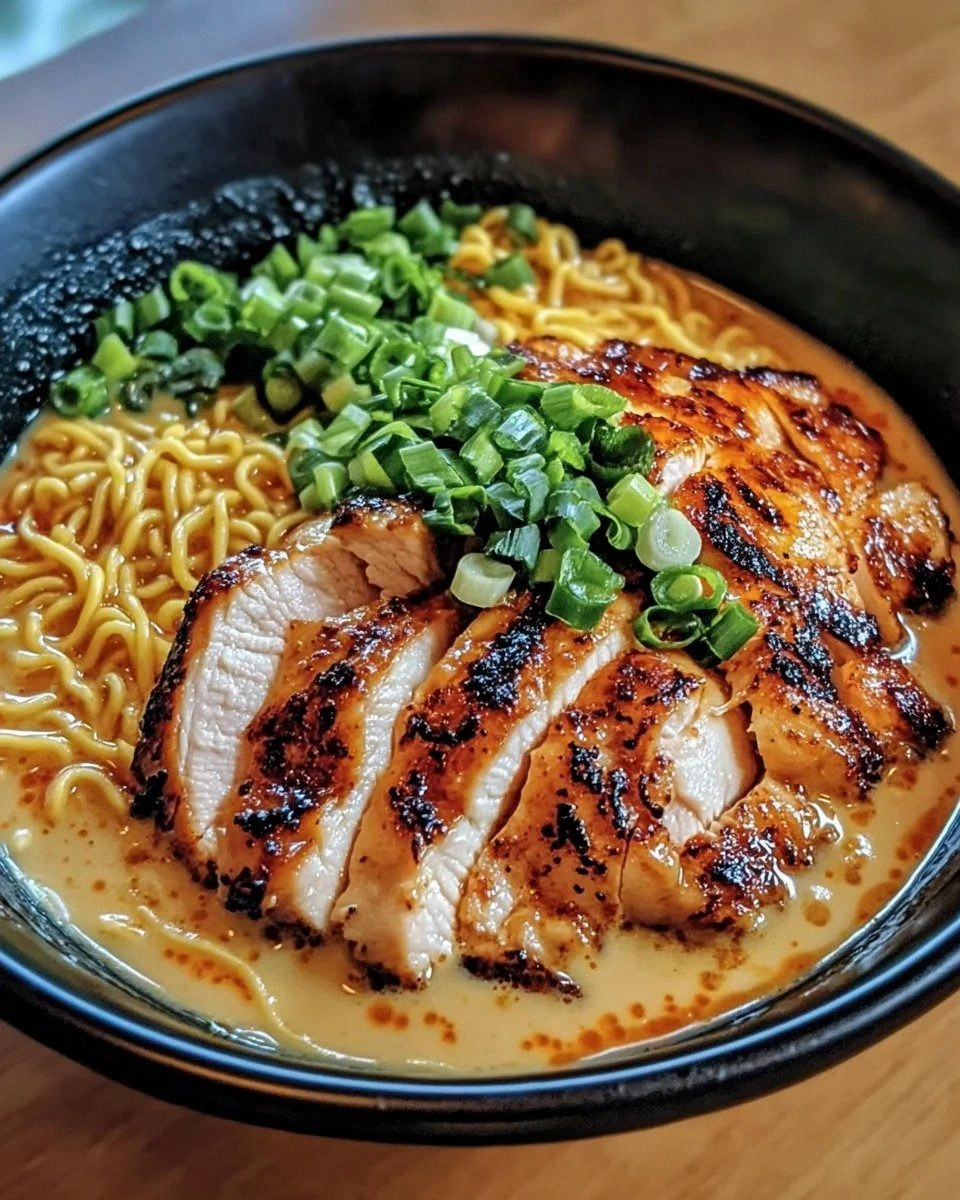
Remember that night when I tried to impress my roommate with a fancy stir‑fry and ended up with a bowl of soggy noodles that tasted like a soggy apology? That disaster sparked a quest to find the perfect blend of savory beef and fresh zucchini that would make me feel like a culinary wizard instead of a kitchen accident. I spent a week rummaging through spice racks, testing sauces, and, honestly, burning a few pans. The result? A recipe that feels like a well‑tuned orchestra, where every ingredient hits the right note at the right time. This is the story of how I turned a kitchen mishap into the best savory beef & zucchini stir‑fry you’ll ever taste.
Picture the moment the first strip of sirloin hits the hot pan, releasing a sizzle that crackles louder than a campfire on a rainy night. The aroma of garlic and ginger rises, mingling with the sharp tang of soy and the sweet whisper of honey. I can almost taste the crispy edges of the zucchini, each bite delivering a burst of summer even in the middle of winter. The sound of the stir‑fry turning, the gentle clink of the wok, and the faint hiss of oil are like a symphony that keeps you hooked. Feel the heat radiate from the skillet, and you’ll know the dish is ready to transform your taste buds.
This version is not just another recipe; it’s a culinary revelation that balances umami, sweetness, and a hint of heat like a perfectly choreographed dance. The secret lies in a bold ginger‑soy glaze that coats the beef like velvet, leaving a lingering warmth that never overwhelms. Unlike most stir‑fries that lean on excess oil or over‑cooking veggies, this dish keeps zucchini crisp and beef tender, thanks to a quick sear technique that locks in juices. The addition of toasted sesame seeds provides a nutty crunch that elevates every bite, while the red pepper flakes add a subtle kick that satisfies the adventurous palate. Together, these elements create a flavor profile that is both comforting and exciting, making it a standout in any dinner rotation.
One of the trickiest parts of this recipe is the moment when you add the cornstarch slurry to thicken the sauce without making it gluey. I discovered that a precise ratio of cornstarch to liquid, combined with a quick swirl, turns the glaze into a glossy, silky coat that clings to each ingredient. Another unexpected twist is the use of rice vinegar, which cuts through the richness of the soy and honey, creating a bright, balanced finish that feels like a breath of fresh air. These subtle choices are the hidden gems that set this stir‑fry apart from the countless variations you’ll find online.
Let me walk you through every single step — by the end, you’ll wonder how you ever made it any other way. I dare you to taste this and not go back for seconds because this dish is hands down the best version you'll ever make at home. Picture yourself pulling this out of the wok, the whole kitchen smelling incredible, and friends asking for the secret. Stay with me here — this is worth it.
What Makes This Version Stand Out
- Flavor: The glaze marries soy, honey, and ginger into a sauce that coats the beef like velvet, leaving a lingering umami aftertaste that makes every bite feel like a mini celebration.
- Texture: A quick high‑heat sear locks in the beef’s juices while keeping zucchini crisp, so you never get that mushy disappointment that plagues many stir‑fries.
- Heat: A measured pinch of red pepper flakes adds just enough warmth to excite the palate without turning the dish into a fire‑starter.
- Crunch: Toasted sesame seeds finish the plate with a nutty crunch that contrasts beautifully against the tender meat and tender veggies.
- Ease: Every ingredient can be found in any grocery store, and the cooking process takes less than 45 minutes, making it perfect for busy weeknights.
- Versatility: Swap the beef for shrimp, tofu, or chicken, and the flavor profile stays intact, proving this recipe is a true kitchen chameleon.
- Nutrition: With just 350 calories per serving, this dish satisfies your hunger without the guilt, thanks to lean protein and fresh vegetables.
- Presentation: The vibrant green zucchini and glossy sauce create a dish that looks as good on a plate as it tastes, making it a crowd‑pleaser for dinner parties.
Alright, let's break down exactly what goes into this masterpiece...
Inside the Ingredient List
The Flavor Base
At the heart of this stir‑fry is a sauce that marries soy, honey, and rice vinegar into a glossy, savory glaze. Soy sauce brings umami depth, but if you skip it, the dish loses its savory backbone and becomes a bland, sweet‑savory mess. Honey adds a subtle caramel sweetness that balances the acidity of the vinegar; replacing it with maple syrup will shift the flavor profile toward a more earthy sweetness. Ginger and garlic are the aromatic pillars; they infuse the oil with bright, zesty notes that lift the entire dish. A pinch of red pepper flakes provides a gentle heat that keeps the dish exciting without overpowering the delicate flavors of beef and zucchini.
The Texture Crew
Beef sirloin is the star of the show; its lean yet tender texture holds up beautifully under high heat. If you use a tougher cut, you risk a chewy outcome that will ruin the dish’s silky feel. Zucchini is chosen for its quick cooking time and mild flavor, which makes it the perfect partner for the beef. Cutting the zucchini into 1‑inch thick rounds ensures each piece crisps slightly while staying tender. Cornstarch is the secret thickener that turns the sauce into a glossy coating; without it, the glaze would remain watery and fail to cling to the ingredients. Toasted sesame seeds add a nutty crunch that contrasts the soft textures and provides a subtle, toasted aroma. Vegetable oil is the medium that carries the flavors and creates the essential sear; using a high‑smoke‑point oil like canola or peanut ensures a clean, hot surface.
The Unexpected Star
Green onions are more than a garnish; they contribute a fresh, sharp bite that cuts through the richness of the glaze. If you omit them, the dish will feel flat, lacking the bright contrast that green onions bring. A good rule of thumb is to use the white and green parts separately: the white parts add subtle heat, while the green parts deliver a fresh, herbaceous finish. Green onions also add a pop of color that makes the dish visually appealing.
The Final Flourish
Sesame seeds are toasted to bring out their nutty flavor, adding a subtle crunch that elevates the dish. If you skip them, the dish will feel less complex and the texture will be one‑dimensional. A quick splash of water or broth at the end of cooking can help keep the sauce from drying out, especially if you’re planning to reheat later. A final sprinkle of fresh cilantro or a squeeze of lime can also add a burst of freshness, but that’s optional and personal.
Everything's prepped? Good. Let's get into the real action...
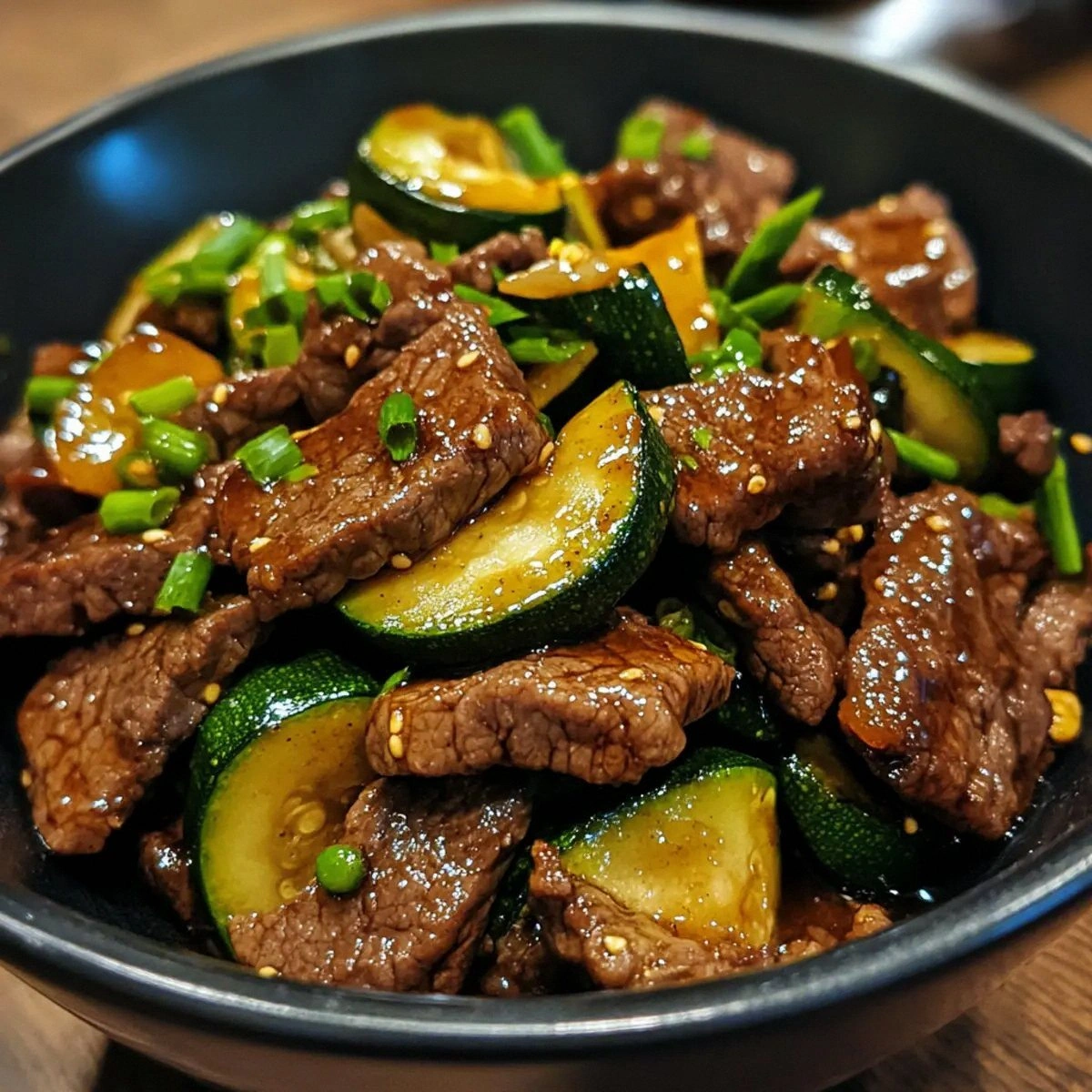
The Method — Step by Step
- Heat the wok or large skillet to high heat. Once the surface is shimmering, add the vegetable oil and swirl to coat. The oil should hiss immediately, signaling it’s hot enough for a quick sear. This step is crucial; a cooler pan will cause the beef to steam instead of sear, resulting in a soggy texture. Keep the heat steady and let the oil heat for about 30 seconds before adding the beef.
- Season the beef strips. Toss the beef with a pinch of salt and pepper, then place it in the pan in a single layer. Avoid overcrowding; if the pan is too full, the beef will lose its sear and become mushy. Sear the beef for 1–2 minutes on each side until a deep brown crust forms. Flip only once to keep the surface intact. When the beef is browned, remove it from the pan and set aside on a plate.
- Stir‑fry the aromatics. In the same pan, add the minced garlic, grated ginger, and red pepper flakes. Stir quickly for 30 seconds until the mixture is fragrant and the spices release their oils. The aroma should be sharp and inviting. Be careful not to burn the garlic; a burnt garlic taste can ruin the entire dish. This is where the flavor base starts to develop.
- Add the zucchini. Toss the sliced zucchini into the pan, ensuring each piece gets a quick coating of the aromatic oil. Stir for 2–3 minutes, allowing the zucchini to develop a slight char while staying crisp. The edges should look slightly blistered, indicating the perfect texture. If you prefer a softer zucchini, add a splash of water to create steam, but be cautious not to over‑cook.
- Watch Out: The sauce thickening step. Prepare a slurry by mixing 1 tablespoon of cornstarch with 2 tablespoons of cold water until smooth. This step is critical; if the slurry is too thick, it will clump, and if too thin, the sauce won’t thicken properly. Gently pour the slurry into the pan while continuously stirring. The sauce should begin to thicken almost immediately, turning glossy and viscous. If you notice any lumps, strain the sauce through a fine sieve before serving.
- Re‑introduce the beef. Return the seared beef strips to the pan, tossing them with the zucchini and sauce until everything is evenly coated. Cook for an additional minute to allow the flavors to meld. The beef should be hot throughout, with the sauce clinging to each bite. This is the moment of truth; the dish should feel vibrant and balanced.
- Finish with sesame seeds and green onions. Sprinkle the toasted sesame seeds and chopped green onions over the top, giving the dish a final burst of color and crunch. Stir lightly to distribute them evenly. The sesame seeds add a nutty aroma that elevates the dish, while the green onions provide a fresh, herbaceous finish.
- Serve immediately. Plate the stir‑fry over steamed rice or noodles, and drizzle any remaining sauce on top. The dish should be hot, glossy, and packed with contrasting textures. A quick splash of lime juice or a dash of chili oil can add a personal touch, but this is optional.
- Enjoy. Take a bite, inhale the aroma, and let the flavors dance across your palate. This dish is designed to be shared, so invite friends or family over and watch their faces light up. Remember, the best part of cooking is the joy of sharing a delicious meal with loved ones.
That's it — you did it. But hold on, I've got a few more tricks that'll take this to another level...
Insider Tricks for Flawless Results
The Temperature Rule Nobody Follows
Many home cooks keep the heat too low, leading to soggy vegetables. I discovered that a consistently high heat is essential for a quick sear that locks in moisture. Use a wok or cast‑iron skillet that can handle the temperature, and pre‑heat it for at least two minutes. If the pan isn’t hot enough, the beef will steam, not sear, and the sauce will become watery. Keep the heat steady throughout the cooking process, and you’ll get a beautiful caramelized crust.
Why Your Nose Knows Best
The aroma is the first indicator that your dish is on the right track. A strong, sweet‑savory scent means the honey and soy are melding properly. If the smell is too sharp or burnt, the garlic has likely over‑cooked. Trust your nose; it’s a reliable guide to when the sauce has thickened and the flavors have balanced. A faint, pleasant aroma signals that you’re ready to plate the dish.
The 5‑Minute Rest That Changes Everything
After cooking, let the stir‑fry rest for five minutes before serving. This brief pause allows the flavors to settle and the sauce to thicken slightly, creating a richer mouthfeel. During this time, the beef continues to absorb the glaze, and the zucchini’s crispness is preserved. A short rest also gives you a moment to plate beautifully, ensuring each forkful is a perfect bite. Trust me, this simple step elevates the dish from good to unforgettable.
Keep the Sauce Smooth
When adding the cornstarch slurry, stir vigorously for at least 30 seconds. This prevents clumping and ensures a silky sauce that clings to the beef and veggies. If you notice any lumps, strain the sauce through a fine sieve immediately. A smooth sauce is the hallmark of a professional stir‑fry and will impress even the most discerning palates.
Use Fresh, Seasonal Produce
Fresh zucchini and green onions deliver a bright, crisp flavor that canned or frozen produce can’t match. Look for firm, unblemished zucchini with vibrant green skins; they’ll stay crisp longer. Similarly, choose green onions with tight, fresh tops for maximum aroma. Seasonal produce not only tastes better but also supports local farmers and reduces your carbon footprint.
Creative Twists and Variations
This recipe is a playground. Here are some of my favorite ways to switch things up:
Spicy Thai Twist
Swap the red pepper flakes for a tablespoon of Thai red curry paste and add a splash of coconut milk. The result is a creamy, spicy sauce that pairs beautifully with the beef. Serve over jasmine rice for an authentic Thai experience. This variation is perfect for those who love a bold, aromatic kick.
Teriyaki Glaze Upgrade
Replace the honey with mirin and add a teaspoon of grated fresh lemon zest for a brighter, more complex glaze. The mirin adds depth, while the lemon zest provides a fresh citrus note that cuts through the richness. This version is ideal for a dinner party where you want a slightly sweeter, more refined flavor.
Veggie‑Rich Version
Add sliced bell peppers, snap peas, and carrots for extra color and crunch. The additional vegetables will absorb the glaze and create a more balanced, colorful plate. This variation is great for families who want a meal that feels like a salad and a stir‑fry in one.
Low‑Carb Alternative
Serve the stir‑fry over cauliflower rice instead of regular rice. The cauliflower provides a mild, neutral base that lets the flavors shine. This low‑carb option is perfect for anyone watching their carbohydrate intake without sacrificing taste.
Asian Fusion Fusion
Finish the dish with a drizzle of sesame oil and a sprinkle of crushed peanuts. The sesame oil adds a nutty aroma, while the peanuts provide a satisfying crunch. This fusion twist gives the dish a new dimension and makes it feel like a street‑food favorite.
Weekend BBQ Flavor
Replace the soy sauce with a smoky BBQ sauce and add a dash of smoked paprika. The result is a sweet, smoky, and slightly sweet sauce that pairs wonderfully with beef. Serve over grilled corn or baked sweet potatoes for a hearty, comforting meal.
Storing and Bringing It Back to Life
Fridge Storage
Store leftovers in an airtight container for up to three days. Keep the sauce and the stir‑fry separate if you’re concerned about sogginess; combine them just before reheating. Label the container with the date to ensure freshness. The dish stays flavorful and the vegetables remain crisp if stored properly.
Freezer Friendly
Freeze the stir‑fry in a freezer‑safe container for up to two months. When you’re ready to reheat, thaw overnight in the refrigerator. This method preserves the texture and flavor, making it a convenient option for busy weekdays.
Best Reheating Method
Reheat in a skillet over medium heat, adding a splash of water or broth to prevent the sauce from drying out. Stir constantly until the dish is hot and the sauce is silky again. A quick steam in the microwave is also acceptable, but it may cause the sauce to separate. The key is to reheat gently to retain the dish’s original texture.