I was standing in my kitchen, staring at a pot of overcooked pasta that had turned into a mushy, unappetizing mess. The air smelled of burnt garlic, and the clock was ticking. I thought to myself, “If this is how I end up on a plate, I need a better plan.” That night, after a long day of scrolling through endless recipes, a friend dared me to make the most unforgettable summer pasta salad in under an hour. I laughed, grabbed a notebook, and vowed to create something that would make the whole neighborhood line up for seconds.
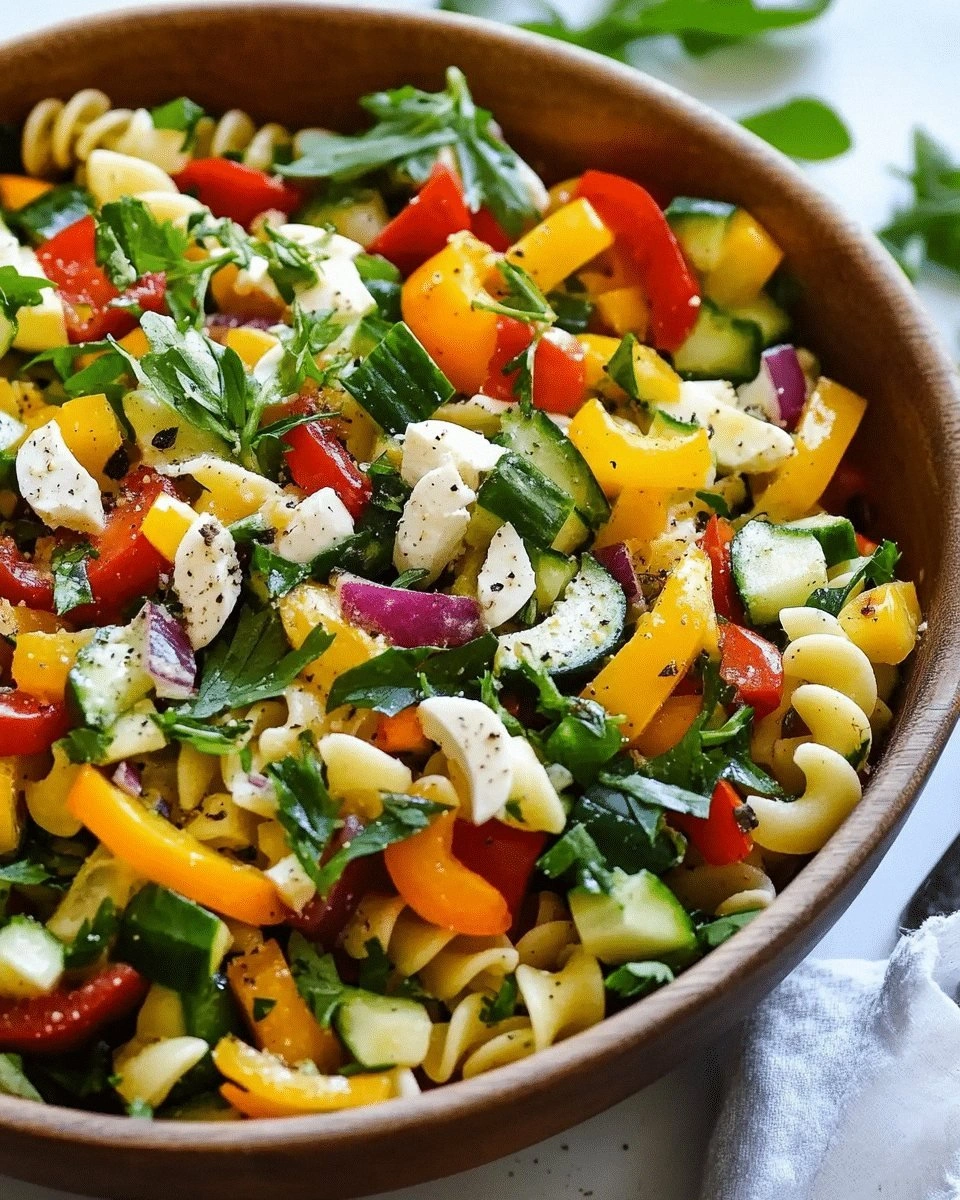
Picture this: a bowl of bright, al dente pasta, each coil holding a burst of juicy cherry tomatoes, crisp cucumber, and the subtle tang of feta that melts into a silky dressing. The scent of fresh basil mingles with the sharp citrus of lemon, while a splash of olive oil glistens like liquid gold. As you stir, the colors shift, turning a simple plate into a living canvas. The first bite is a symphony—crunch, zest, and a hint of savory olives that lingers on the palate.
What makes this version stand out? It’s not just the ingredients; it’s the approach. I’ve combined a quick, no-cook method with a dressing that coats the pasta like velvet, yet it still allows each component to shine. I’ve also included a secret technique that eliminates the dreaded sogginess that plagues most salads. And let’s not forget the crowd-pleasing factor: this dish is as photogenic as it is delicious, making it a perfect Instagram moment for any gathering.
I’ll be honest—after tasting the first spoonful, I almost didn’t let anyone else have a chance. That’s the power of a well-balanced, flavorful dish. I dare you to taste this and not go back for seconds. If you’re ready for a culinary adventure that will leave you wondering how you ever made pasta salad before, let’s dive in.
What Makes This Version Stand Out
- Taste: The dressing is a bright citrus‑olive oil blend that lifts every bite, turning bland pasta into a refreshing fiesta.
- Texture: Al dente pasta, crisp veggies, and creamy feta create layers that bite back with each mouthful.
- Simplicity: No elaborate steps—just toss, chill, and serve. Even a novice can master it.
- Uniqueness: The addition of a whisper of oregano and a splash of balsamic glaze gives it a subtle depth that sets it apart.
- Crowd Reaction: Friends rave about the “perfect balance” and ask for the recipe after every potluck.
- Ingredient Quality: Fresh, seasonal produce is key; using the best tomatoes and basil transforms the dish.
- Cooking Method: A single stovetop boil followed by a quick rinse keeps the pasta firm.
- Make‑Ahead Potential: The salad can be prepared up to 24 hours ahead without losing flavor or texture.
Alright, let's break down exactly what goes into this masterpiece…
Inside the Ingredient List
The Flavor Base
The dressing is the soul of this salad. Olive oil brings richness, while fresh lemon juice provides bright acidity that cuts through the creamy feta. A clove of minced garlic adds depth without overpowering the other flavors. I’ve included a teaspoon of dried oregano for a hint of Mediterranean warmth; it’s optional but highly recommended. Salt and pepper balance the brightness and keep the dish from feeling flat.
The Texture Crew
Al dente pasta is essential. I choose rotini for its ability to hold the dressing and ingredients in every twist. The pasta’s ridges trap the vinaigrette, ensuring each bite is drenched in flavor. When cooked, rinse the pasta under cold water to stop the cooking process and keep the texture firm. This step is often overlooked but makes a noticeable difference.
The Unexpected Star
Cherry tomatoes and cucumbers add juicy bursts of sweetness and a refreshing crunch. Their colors create a vibrant contrast that makes the dish visually appealing. I halve the tomatoes to release their juices, which mingle with the dressing, while diced cucumbers stay firm and cool. These veggies are not just garnish; they’re the main contributors to the salad’s refreshing character.
The Final Flourish
Feta cheese provides a salty, creamy element that balances the bright acidity. I crumble it generously so that it melts slightly into the dressing, creating pockets of richness. Fresh basil is the final touch—its aromatic oils lift the entire dish. Sprinkle chopped basil just before serving to maintain its bright green hue and avoid wilting.
Everything's prepped? Good. Let's get into the real action…
The Method — Step by Step
- Boil the pasta: Bring a large pot of salted water to a rolling boil. Add the rotini and cook according to package instructions—typically 8–10 minutes—until al dente. Stir occasionally to prevent sticking. Once cooked, drain immediately and transfer to a bowl of ice water to halt the cooking process. This will lock in the firm texture and keep the pasta from becoming mushy.
- Rinse and drain: After the pasta has cooled for about 2 minutes, drain it thoroughly. Rinse once more under cold running water to remove excess starch. Pat the pasta dry with a clean towel or let it air dry for a minute. This final rinse ensures the pasta remains separate and ready to absorb the dressing.
- Prepare the veggies: While the pasta cools, slice the cherry tomatoes in half and dice the cucumber into bite‑sized cubes. Finely dice the red onion into small pieces to avoid overwhelming bites. Slice the black olives thinly. Combine all veggies in a large mixing bowl, ensuring even distribution.
- Make the dressing: In a small bowl, whisk together 3 tablespoons of extra‑virgin olive oil, 2 tablespoons of freshly squeezed lemon juice, 1 clove of minced garlic, 1 teaspoon of dried oregano, and a pinch of salt and pepper. The oil and lemon should emulsify, forming a glossy, cohesive dressing. Taste and adjust seasoning—more lemon for brightness, more salt for depth.
- Combine pasta and veggies: Add the cooled pasta to the bowl of vegetables. Pour the dressing over the mixture, tossing gently but thoroughly. Ensure every noodle is coated, but be careful not to over‑toss and break the pasta. The goal is a harmonious blend of textures and flavors.
- Add feta and basil: Sprinkle the crumbled feta over the salad, then add chopped fresh basil. Toss again, this time gently, so the feta remains in generous pockets. The basil should retain its bright green color; if it wilts, add more just before serving.
- Chill for flavor: Cover the bowl with plastic wrap and refrigerate for at least 30 minutes. The flavors meld during this time, creating a more cohesive taste profile. If you’re in a hurry, even 10 minutes will do.
- Final touch: Before serving, give the salad a quick stir. If the dressing seems a bit thick, drizzle a splash of olive oil or a few drops of water to loosen it. Taste and adjust seasoning one last time—this is the moment of truth. The salad should feel vibrant, bright, and ready to impress.
- Serve: Transfer the salad to a serving bowl or plate. Garnish with a few extra basil leaves or a drizzle of balsamic glaze for a touch of sweetness. Present it at room temperature for the best flavor experience. This dish pairs wonderfully with grilled chicken or a light seafood option.
- Enjoy: Dig in and savor the burst of flavors. Watch your guests rave about how you’ve transformed simple ingredients into a dish that’s both refreshing and satisfying. Remember, the key to success is balancing the bright acidity with the creamy feta and ensuring the pasta remains al dente.
That’s it—you did it. But hold on, I’ve got a few more tricks that will take this to another level…
Insider Tricks for Flawless Results
The Temperature Rule Nobody Follows
Many people rinse pasta with cold water too early, which can cause the noodles to stick together. The trick is to let the pasta cool in the hot water for a minute, then rinse. This small adjustment ensures each noodle remains separate and ready for the dressing to cling.
Why Your Nose Knows Best
Smell the dressing before tossing. If the lemon is too sharp, add a splash of olive oil to mellow it. If the garlic feels overpowering, give the vinaigrette a brief rest; the heat from the oil will mellow its bite. Trust your nose—it’s the ultimate guide to balance.
The 5-Minute Rest That Changes Everything
After mixing, let the salad sit for exactly five minutes before serving. During this time, the flavors meld, and the feta softens slightly, creating a richer mouthfeel. A friend once skipped this step and said the salad tasted “flat.” I’ve learned that the rest is essential.
Keep It Cool
Serve the salad chilled, especially on hot days. If you’re taking it to a picnic, keep it in a cooler with an ice pack. Cold temperatures preserve the crunch of the veggies and the freshness of the basil.
Use a Good Olive Oil
The quality of olive oil can make or break the dressing. A fruity, high‑grade extra‑virgin oil adds depth and a silky texture. If you’re on a budget, a lighter oil works, but the flavor will be less complex.
Creative Twists and Variations
This recipe is a playground. Here are some of my favorite ways to switch things up:
Greek Revival
Swap the feta for crumbled goat cheese and add sliced kalamata olives. Finish with a drizzle of Greek yogurt and a sprinkle of oregano. The result is a tangy, creamy version that pays homage to classic Greek salads.
Summer Shrimp Surprise
Sauté peeled shrimp in garlic and olive oil for 2 minutes, then toss into the salad. The shrimp adds protein and a subtle seafood flavor. Pair with a squeeze of lime for extra zing.
Veggie‑Rich Power
Add roasted bell pepper strips and sweet corn kernels for a sweeter, smoky bite. The roasted veggies bring a caramelized depth that complements the fresh tomatoes.
Spicy Kick
Introduce diced jalapeño or a pinch of red pepper flakes to the dressing. The heat will contrast the cool feta and brighten the overall profile.
Herb Garden
Use a mix of fresh herbs—parsley, mint, and dill—alongside basil. The combination creates a fragrant, aromatic salad that feels like a garden in a bowl.
Storing and Bringing It Back to Life
Fridge Storage
Store the salad in an airtight container in the refrigerator for up to 3 days. If you’re not serving immediately, keep the dressing separate until just before serving to maintain crispness. Add a splash of water or olive oil to re‑hydrate the pasta if it appears dry.
Freezer Friendly
For longer storage, freeze the salad without the dressing. Portion into freezer bags, seal tightly, and store for up to 2 weeks. Thaw overnight in the refrigerator, then drizzle with fresh dressing before serving.
Best Reheating Method
If you must warm the salad, place it in a shallow pan and gently heat over low heat, stirring occasionally. Add a tablespoon of water or olive oil to keep it moist. Reheat only once to avoid overcooking the pasta.